
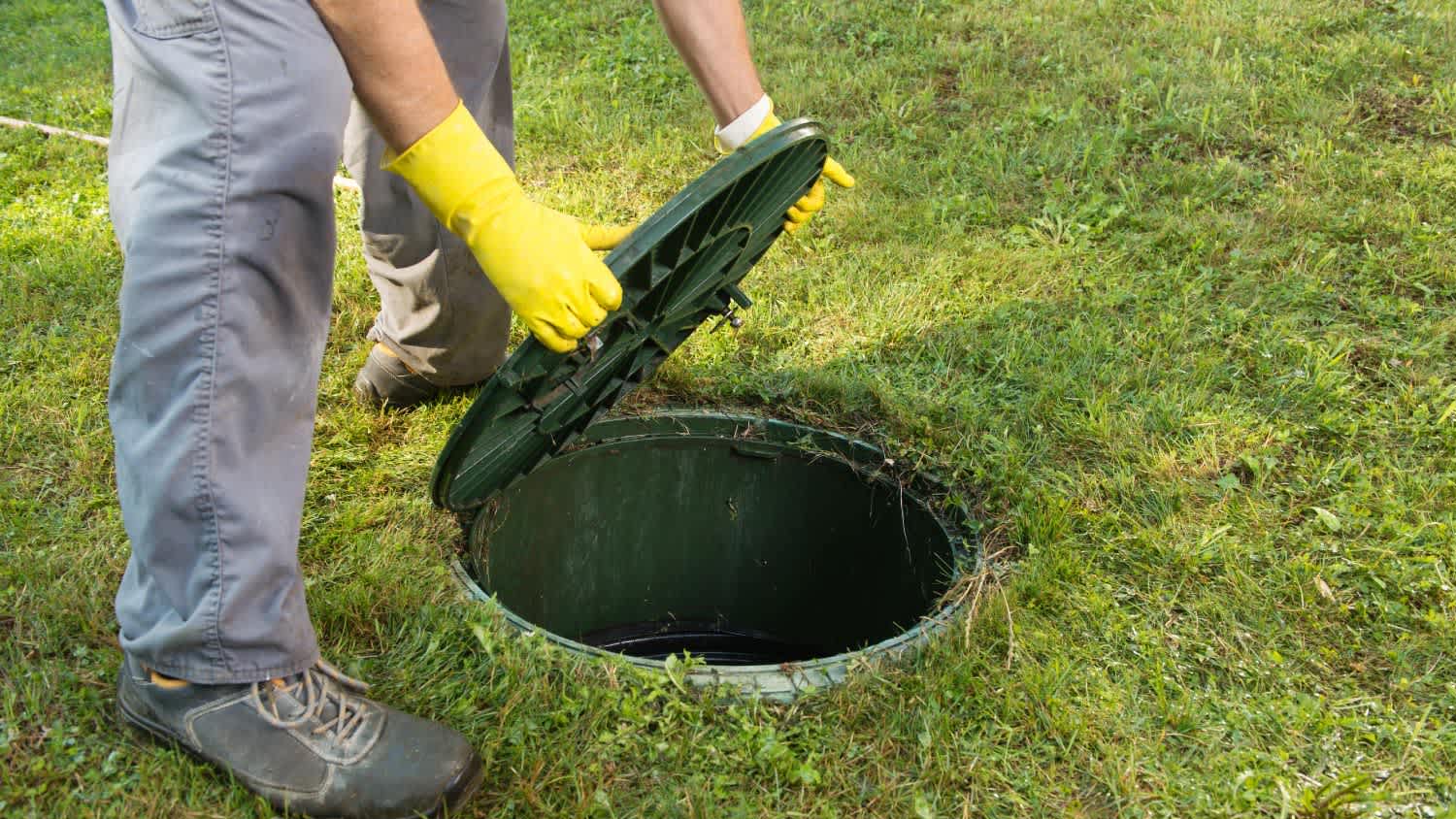
The cost of converting a cesspool to a septic system depends on factors like labor, complexity, and materials. Use our guide to estimate your budget.
Don’t make a stink by neglecting your cesspool

A cesspool overflow or blockage causes sewage backup, which leads to foul smells, sluggish drains, and standing water around your system.
Puddles or damp patches near your cesspool indicate overflow issues that need pumping, so stop using water appliances until help arrives.
Sudden plant growth or insect activity near your cesspool signals leakage, while dying plants point to contamination releasing harmful bacteria into soil.
Hiring a local septic tank repair professional provides peace of mind with reliable pumping, blockage diagnosis, and contamination testing for your home.
When your cesspool is working well, it can be easy to forget about. However, if you’ve noticed a bad smell or a sluggish drain, there could be a bigger issue building up underground. Come with us as we outline the signs of cesspool problems and common issues and the first steps to take if you notice one of these red flags with your sewage system.
A cesspool is an underground sewage containment system. It’s made up of a large pit, usually lined with concrete or stone that contains holes at the bottom for wastewater to drain into the surrounding soil. If a cesspool isn’t regularly pumped out, these holes can become plugged and cause a backup of sewage into your plumbing or the surrounding soil.
Since cesspools don’t filter the wastewater that drains out, they aren’t eco-friendly and are no longer used for new builds. However, they’re still common in many older homes, so it’s important to know how to look after one if you’re buying a home with a cesspool or aren’t ready to replace it with another septic system.
The four most common problems with cesspools are overflow, blockage, collapse, and contamination.
Overflow: Wastewater overflows the cesspool when there’s a block in the system or it’s too full
Blockage: Foreign objects, grease from cooking, or excess toilet paper clog the small holes at the base that allow for drainage
Collapse: Sewage tank walls collapse and release contents due to soil erosion, damage, or aging of an old cesspool system
Contamination: When chemicals get into the cesspool or harmful bacteria grows in the system, it can pollute nearby water sources because they have no filtration system
Knowing what to look for when it comes to cesspool problems can help you catch any of the common issues above before they turn into costly repairs.
If there’s a blockage or overflow in your cesspool, this can prevent waste from draining properly. One of the first signs of these problems is a strong, bad smell coming from your plumbing system. This can smell like sewage or rotten eggs.
To fix it, call a local septic service and get your cesspool pumped out. While you’re waiting for them to come, stop using any water appliances (everything from faucets, showers, and toilets to washing machines).

Problems with drainage can indicate a blockage in your cesspool system. When you have a blockage, you may notice that:
Your drains are flowing slowly
Your drains are completely blocked
Your toilet is backed up
If the problem is only with one drain, you can try snaking it to fix the blockage. But if multiple drains are moving slowly, there’s a high chance of a cesspool block, which requires a septic tank repair service to fix.
Standing water near your cesspool is a big red flag. It’s often a sign that your cesspool may be overflowing, which can cause sewage to leak into the surrounding area. In the early stages, it can look like damp patches, but if left untreated it can escalate into full puddles around the top of your cesspool.
Just like with foul smells, you can fix an overflow problem by pumping out your cesspool and stopping the use of water appliances in the meantime.

Plants and insects that live near your cesspool can tell you a bit more about how well it’s functioning. A sudden burst of plant growth near your cesspool can be an early indicator of leakage, as the extra moisture can cause weeds to spring up quickly.
Similarly, in dry climates, insects will flock to areas of moisture. If your cesspool is overflowing and leaking moisture upward, insects may gather around the area.
Cesspool maintenance issues can also cause damage to local plant life. If you’ve noticed that plants near your cesspool seem unusually unhealthy or are dying, there may be a problem with cesspool contamination that’s leaking dangerous gasses or harmful bacteria into the soil.
If you suspect there’s contamination in your cesspool, stop using any water and call in a septic professional right away.
As cesspools age, the concrete and stone that supports the structure runs the risk of collapse. If this happens, the ground near your cesspool may start to sink or settle. You might also notice cracks in the ground nearby.
Unfortunately, if your system is starting to collapse, you’ll need to replace the cesspool with a septic tank. This is the standard for new builds, as septic tanks are cleaner and safer for you and the environment.
While waiting for a replacement, it’s best to stop using your water and avoid the area around your cesspool. The ground can become soft or start to shift and stepping on it can be dangerous.

If you have any streams, ponds, or other water sources nearby, they can give you signs about your cesspool’s health. Even a functioning cesspool naturally leaks some wastewater into the soil, but a cesspool that has problems can dramatically impact nearby water.
Look out for:
Changes to the color or clarity of water
Changes in the water level
Color and clarity usually indicate a leak or contamination, while a dramatic rise in water level can mean a cesspool overflow or collapse. No matter what the actual problem is, it’s important to act quickly and get an inspection on the books to see what’s going on.
Even the best cesspools carry some risk, since they naturally leak wastewater into the soil. However, when your cesspool is working well, the environmental impact should be relatively low.
If there’s an issue with your cesspool, the health risks to you and to the surrounding environment rise dramatically. Untreated sewage contains harmful bacteria that can cause illness in humans, plants, and animals. Cesspools that overflow or collapse release large volumes of sewage into the soil.
Taking care of your cesspool is also essential if you have a water source nearby, like a local stream that animals drink from or a well that you use to provide water for your home. If a well and cesspool are on the property there’s the potential for unseen water contamination from sewage problems.
Regular cesspool maintenance can help you prevent any issues, and a professional septic tank repair service near you can bring peace of mind and guaranteed safety for your family and the nearby environment.
There are a few measures you can take to prevent cesspool problems from happening in the first place. First, you should be sure to get regular inspections and pumping, and practice proper waste disposal. Don’t dump grease down drains, and be sure to use your water efficiently. Also, take good care of your drain field by directing rainwater away from it, and don’t put much weight or landscaping over the septic system. Grass is fine to plant above it, but plants and trees will grow roots that could damage your system. Finally, consult a septic pro to learn the best pumping schedule based on your system and usage.
I recently moved to another state and chose United Trust Van Lines after comparing several companies. Their team was punctual, professional, and extremely careful with my belongings. I was especially impressed with how they handled my home office setup and fragile items. Everything arrived on...
 United Trust Van Lines, LLC
Positive experience. As previously stated, the replacement/repair could not be completed (no fault of the plumbing tech) b/c misinformation was rec?d by property management maintenance. Thanks to the plumbing tech for your efforts. Appreciate you!
 The Waterworks
As usual with ECO, tech Jordan was outstanding, very professional, very knowledgeable, and very thorough with repairs made to tankless water heaters. Very highly recommend ECO!!!
 Eco Plumbers, Electricians, and HVAC Technicians
I would recommend this company to anyone! He showed up on time, was friendly, completed a very difficult repair on our dryer vent cover, was responsive, and pricing was extremely fair and competitive. I would have him back to do any of our repairs or cleanings without hesitation!
 U.S.A. Dryer Vent, LLC
Best cleaning I've had at my property
I'm a repeat customer of All Star Paving & Sealing and I appreciate the service that all start paving has done for me in the past. I just recently had them out for an estimate and things couldn't have gone better. The staff that they send out to do the estimates are very knowledgeable. The...
 All Star Paving and Sealing
Supreme Brick & Chimney is one of the best service providers I’ve interacted with. Extremely efficient, knowledgeable, and thorough. They took the time to walk me through their detailed full-service inspection and were extremely professional. Not to mention their turnaround time was...
 Supreme brick & chimney
They were great! They were thorough and efficient and paid attention to the details. Definitely recommend. I'm definitely going back!
 FIFI'S EARTH FRIENDLY CLEANING
Storms Mobile Welding was great to work with. They were prompt, professional and did an overall excellent job on the project. I highly recommend.
Great experience all together. Dog friendly, courteous, great results and honest with recommendations. Will certainly be using Cardinal in the future for any carpet repairs
 Cardinal Carpet Care & Repair
From average costs to expert advice, get all the answers you need to get your job done.
The cost of converting a cesspool to a septic system depends on factors like labor, complexity, and materials. Use our guide to estimate your budget.
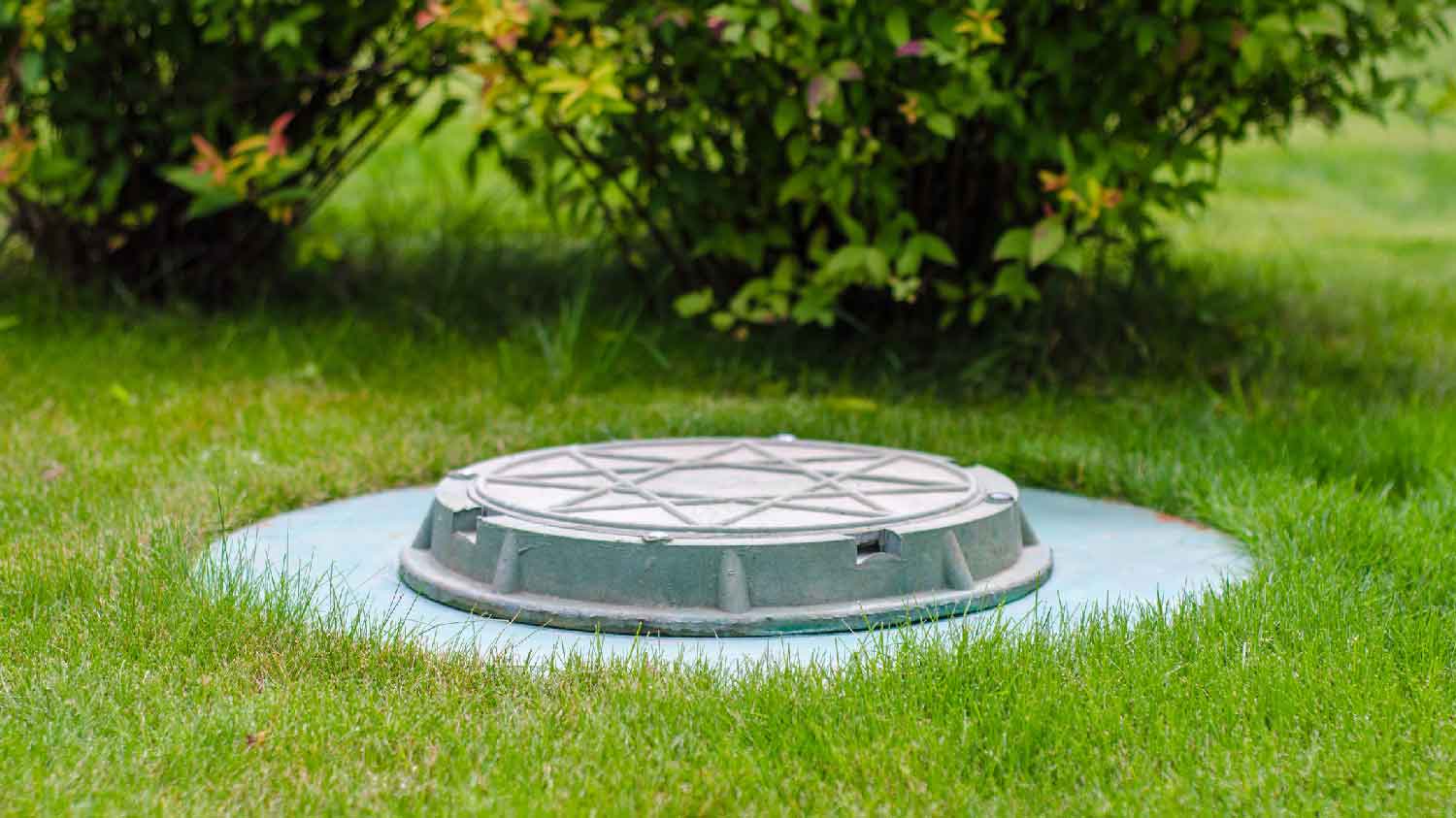
Not all cesspool messes need a total clean-out. Learn how to clean a cesspool so you know whether you can tackle it yourself and when to call in a pro.

Stay ahead of potential cesspool issues. Follow these crucial cesspool maintenance tips to keep your wastewater system running in top condition.
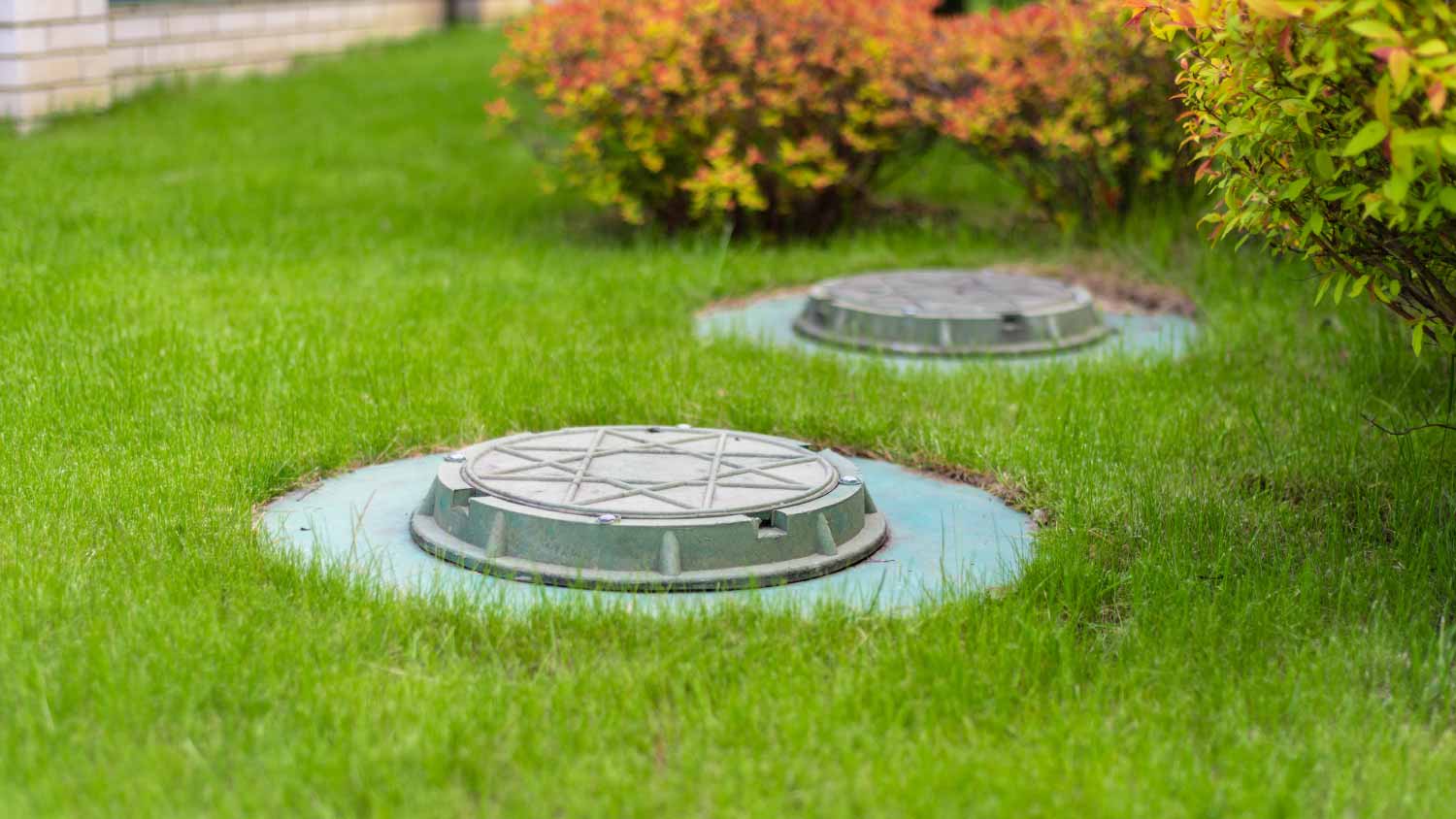
What are the differences between cesspool aeration vs. pumping, and when might you need one over the other? Learn more in this comprehensive guide.
Are cesspools legal? Can you build a new one or operate an existing one within the limits of the law? Get the facts in this comprehensive homeowner’s guide.
When it comes to cesspools versus septic tanks, cesspools are less expensive but require more maintenance. Septic tanks are more eco-friendly.