Verified Reviews for Fire Pit Installation pros in Saint Paul, MO
*The Angi rating for Fire Pit Installation companies in Saint Paul, MO is a rating based on verified reviews from our community of homeowners who have used these pros to meet their Fire Pit Installation needs.
*The HomeAdvisor rating for Fire Pit Installation companies in Saint Paul, MO is a rating based on verified reviews from our community of homeowners who have used these pros to meet their Fire Pit Installation needs.
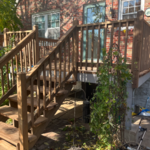
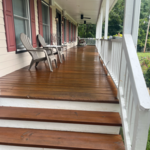
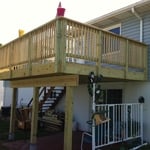
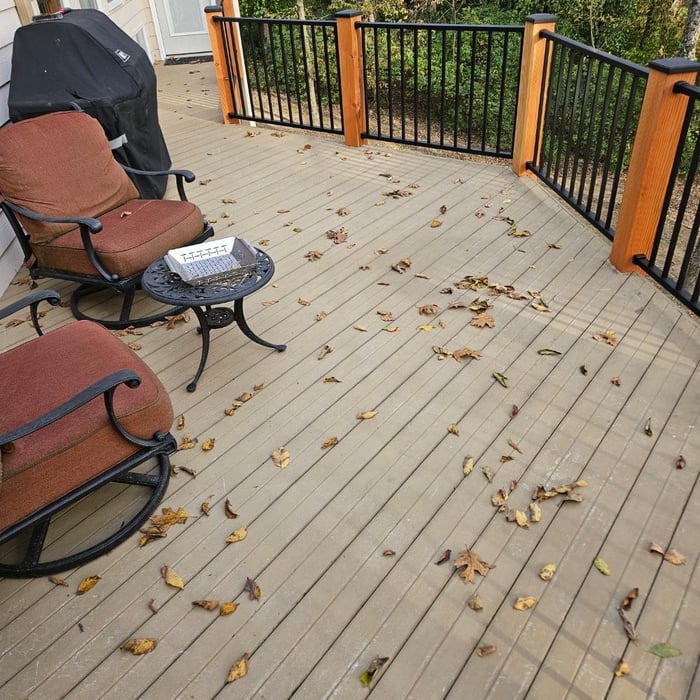
"We found Fred's Company on Angi. He has great reviews on Angi and that was why we contacted his company. When we first met, he showed us photos of decks he has done and even showed us his insurance information which was important to us. Fred is great with communication, and he sent us texts when he was on his way to our house to do the work, He called after it was completed to make sure we were happy with his service and the deck, which we were. He also asked if we needed help putting our furniture back on the deck which we didn't, but it was nice he offered. We are very happy with our deck and the way it looks now after the work."
"Bryan has been great to work with. He listened to my particular request to insure work was to my satisfaction. I will keep the company in my list of contractors to use in the future."
"I hired them to install a new mailbox to our front exterior brick wall on our home. They showed up on time and got the project completed quickly and professionally. Tìm was extremely nice and helpful. I would definitely hire them again."
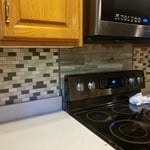
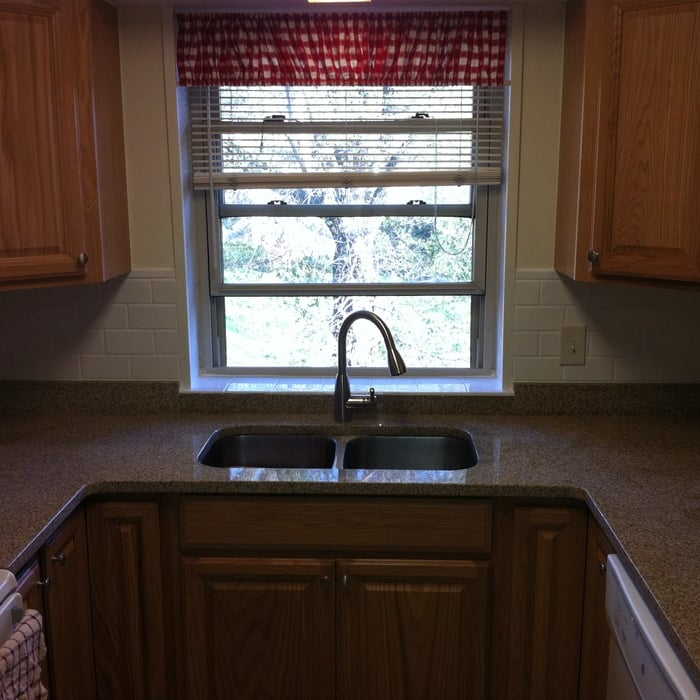
"No matter what problem you have, Clint is the man for the job! He not only fixed the plumbing issues I discovered during a remodel but was able to fix the electrical issues, flooring problems, install the cabinets, cut and grout backsplash tile, and fix a handful of minor issues that came up along the way. Clint is on time, dependable, courteous and respectful of your property - he even cleans up afterwards! I could not have completed this project without Clint Hatcher and highly recommend him to anyone who needs work done - you will not be disappointed!!"
"Jim came over the day I called and was able to install my garbage disposal, hang all the blinds in our house, and installed ceiling fans. Very knowledgeable."
"Fred is a nice, honest person who does great work. The one drawback is that the more nice things people say about Fred, the harder it will be to get his time on my projects. Thanks Fred!"
"martin arrived on time checked the ceiling fan-the remote-and circuit breaker. gave a very reasonable estimate for install ceiling fan and attic exhaust fan. completed the work which did take more time but that was justified. did not charge more than the estimate. would absolutely hire again."
Fire Pit Installation questions, answered by experts
No. Pellet stoves are specifically designed to burn manufactured wood or biomass pellets. Attempting to burn other materials, such as regular firewood or paper products, can damage the stove, compromise its efficiency, and even pose safety hazards due to inconsistent combustion and increased emissions. It's crucial to follow manufacturer guidelines and only use pellets that are specifically recommended for your pellet stove model to ensure safe and optimal performance over its life span.
A hot fire alone will not remove significant creosote buildup and can be dangerous, as it risks causing a chimney fire. While the warmth from a fire can help loosen stuck tar, making treatments like creosote logs more effective, it is not a substitute for proper cleaning. For existing creosote, the safest and most effective method is to have your chimney professionally cleaned by a chimney sweep.
You should schedule a fireplace inspection at least once a year, per the National Fire Protection Association (NFPA). However, this is the minimum requirement even if you’re diligent with fireplace maintenance between uses. If you suspect your fireplace is malfunctioning, schedule one sooner to avoid fire hazards or the release of harmful emissions like carbon monoxide in your home.
Concrete homes have better fire resistance because this material is highly resistant to fire and heat. But any paint, siding, windows, roofing, or other materials on a concrete home may still be flammable. Never try to stay in a building with a large, active fire or a wildfire approaching because this can still be deadly. However, building a fireproof home with concrete can better protect the structure against total destruction.
Most homeowners put a layer of compact sand or gravel at the bottom of their firepit, but you can also choose more decorative options like fire-resistant paving stones, bricks, or fire pit glass. Dirt by itself can even work, but other materials do a better job of spreading the heat around.
The Saint Paul, MO homeowners’ guide to fire pit installation services
From average costs to expert advice, get all the answers you need to get your job done.
Find out the average brick or stone fireplace installation cost in St. Louis, MO. Learn what you can expect to pay for local masonry and labor services.
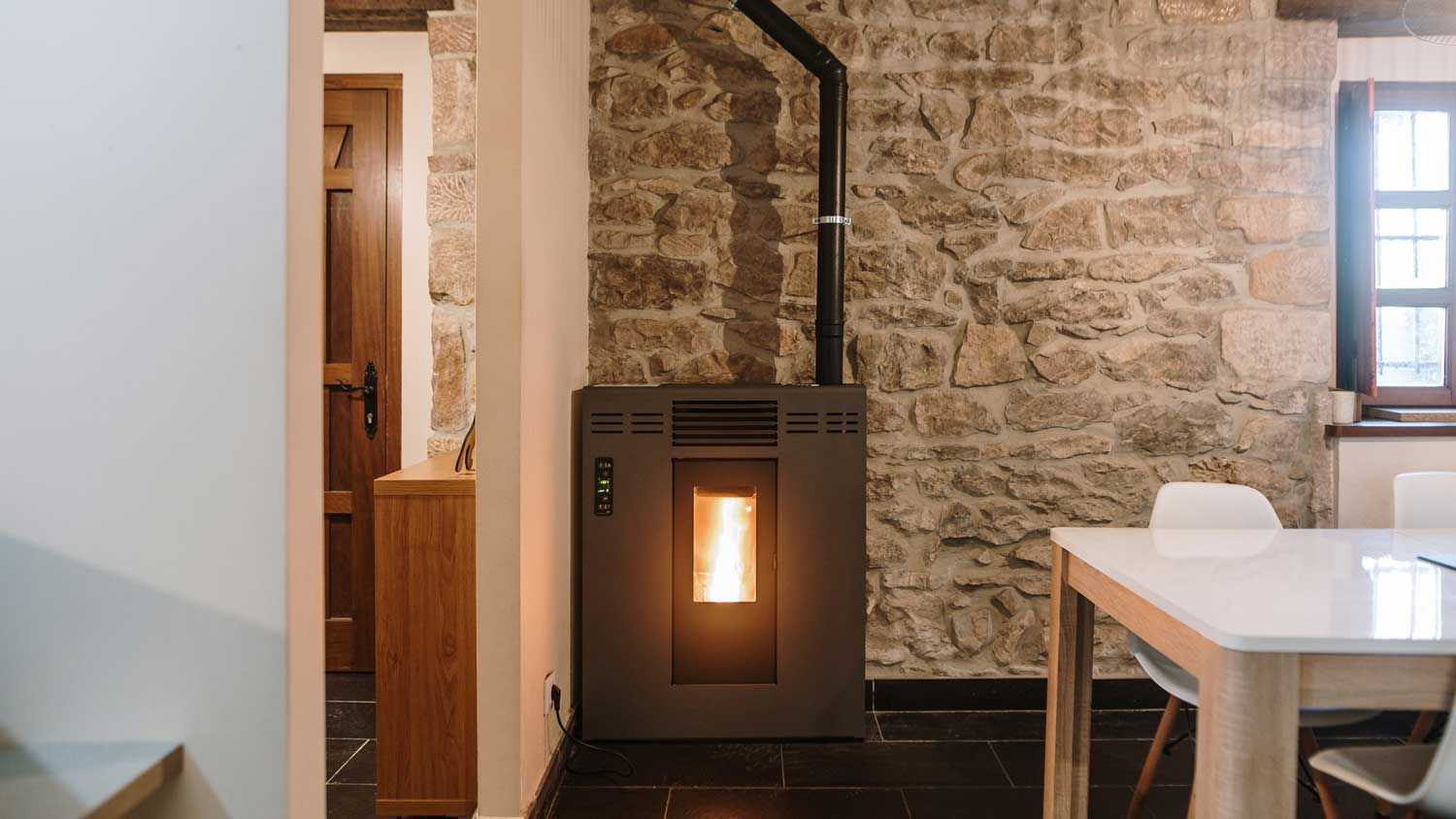
Find out the average wood, pellet, and gas stove installation cost in St. Louis, MO. Learn what you can expect to pay to keep your home warm this winter.
A fire pit installation costs $850 on average but can vary by size, fuel type, materials, and more. See how much you need to budget for a new fire pit.
A fire pit adds attractive entertainment space to your backyard. Learn about standard fire pit dimensions and what factors contribute to fire pit size.