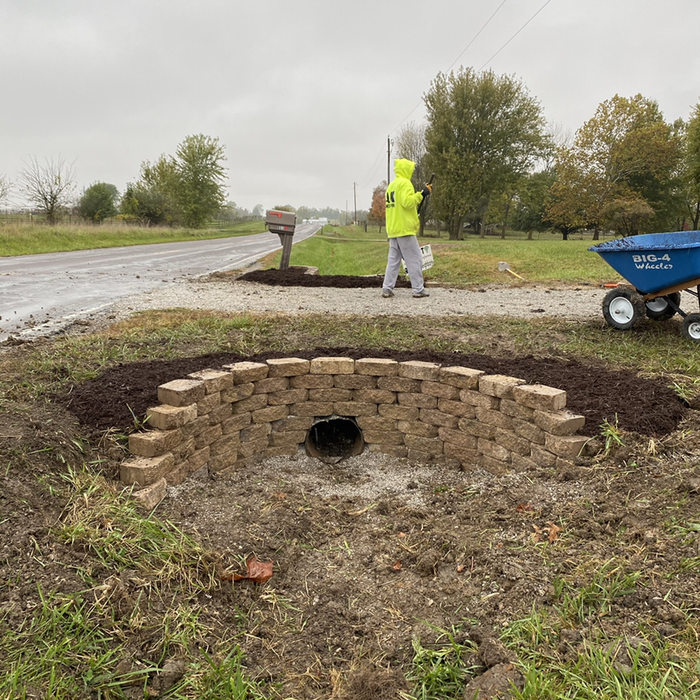








Top-rated retaining wall installation pros.

Get matched with top retaining wall installation pros in Rocheport, MO

Enter your zip and get matched with up to 5 pros

Need a pro for your retaining wall installation project in Rocheport, MO?

Select your specific project to find the pro for you.

TRUSTED BY ROCHEPORT, MO HOMEOWNERS

  • Average homeowner rating star icon4.5
    Average homeowner rating
  • Verified reviews icon138
    Verified retaining wall installation services reviews

Find Retaining wall installation pros in Rocheport

Avatar for Stanley's Home Improvement
Stanley's Home Improvement
3.3(
12
)
Retaining Wall - Install

Serving Rocheport, MO and surrounding areas

Free estimates

Emergency services offered

"It was apparent they were very skilled. They quickly dropped the huge limbs without a scratch on the house, fence or sheds surrounding the tree. They arrived on time and cleaned the area to my satisfaction before leaving. And they were competetively priced! I can't say enough good things about this company."
Additional Photos
Additional Photos
Additional Photos
Additional Photos
Additional Photos

+8

Recommended by77%of homeowners
Showing 1-10 of 32
Retaining Wall Installers questions, answered by experts

Rebar is a steel support that goes inside concrete to prevent structural damage over time. Concrete is susceptible to impact, weight, and tension. By inserting rebar into the concrete during the installation, you can help extend its lifespan and avoid hazardous situations where the foundation of your home gives way to tensile forces.

Generally speaking, a retaining wall should be between 3 and 4 feet high, depending on variables such as the wall-building material, the purpose of the retaining wall, and more. If you want your retaining wall to be taller than 4 feet, check with your local building ordinance office for the maximum allotment. You may also need a special permit for retaining walls over 4 feet tall.

Installation typically takes 1-2 weeks, depending on the wall’s size and site conditions.

Railroad ties can be good for retaining walls, but it depends on the area. They have a desirable rustic look and are durable. The problem is they’re treated with creosote, a preservative the EPA says poses a risk to humans and wildlife. Over time, the preservative seeps out of the wood and into the ground. Many areas have banned the use of creosote-treated wood on residential properties. If your area does allow it, never use railroad ties near an edible garden or drinking water source. Instead, use wood that’s treated with an EPA-approved preservative or a wood-alternative composite material.

Failure to compact the soil during construction is the most common cause of leaning retaining walls. In addition, poor drainage can lead to excessive water pressure behind a retaining wall, pushing against it until it begins to move forward away from the soil it is holding back.

The Rocheport, MO homeowners’ guide to retaining wall installation services

From average costs to expert advice, get all the answers you need to get your job done.