






Top-rated retaining wall installation pros.

Get matched with top retaining wall installation pros in Slater, MO

Enter your zip and get matched with up to 5 pros

Need a pro for your retaining wall installation project in Slater, MO?

Select your specific project to find the pro for you.

Find Retaining wall installation pros in Slater

Avatar for Enyeart Construction
Enyeart Construction
5.0(
3
)
Retaining Wall - Install

Serving Slater, MO and surrounding areas

Approved

Super Service Award Winner

In business since 2021

Free estimates

Offers commercial services

"I asked the guys to install an egress wi dow in a basement bedroom. They did exactly as I asked and worked efficiently. They showed up when they said they would and communication was great from estimate to finish! (Drop down option says kitchen remodel for work done only because window installation wasn't an option to pick from)"
Response time11 hrs

Showing 1-10 of 23
Retaining Wall Installers questions, answered by experts
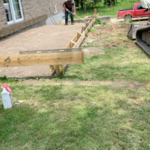
Most railroad tie retaining walls have a life span of 20 to 30 years, though you may need to replace your wall sooner if it’s repeatedly exposed to heavy rain, runoff, and excess moisture. Railroad ties are typically treated with creosote, which makes them much more durable than untreated wood. Though they last longer, they don’t last forever. For the most longevity, make sure your retaining wall has a sturdy base and steel reinforcements. You should also install drainage to direct water away from the wall.

Generally speaking, a retaining wall should be between 3 and 4 feet high, depending on variables such as the wall-building material, the purpose of the retaining wall, and more. If you want your retaining wall to be taller than 4 feet, check with your local building ordinance office for the maximum allotment. You may also need a special permit for retaining walls over 4 feet tall.

The longevity of flood walls depends on how they were constructed, but most wood, gravel, and cement flood walls last 10 years. While aluminum flood walls may cost far more initially, they can be a good investment as they can last decades and will not be damaged by exposure to the elements.

Rebar is a steel support that goes inside concrete to prevent structural damage over time. Concrete is susceptible to impact, weight, and tension. By inserting rebar into the concrete during the installation, you can help extend its lifespan and avoid hazardous situations where the foundation of your home gives way to tensile forces.

While vinyl is the least costly material for building a retaining wall, the most cost-effective method is to use wood or concrete blocks for a DIY retaining wall under 2 feet tall. Wood is inexpensive but lasts 20 years or more with care. Concrete can cost a little more but is stronger and will last longer with less maintenance.

The Slater, MO homeowners’ guide to retaining wall installation services

From average costs to expert advice, get all the answers you need to get your job done.