







Top-rated retaining wall installation pros.

Best retaining wall installation pros near Boonville, MO

Enter your zip and get matched with up to 5 pros

Need a pro for your retaining wall installation project in Boonville, MO?

Select your specific project to find the pro for you.

Top-Rated Retaining wall installation pros in Boonville - Updated Nov 2026

Avatar for Cornine Farm & Residential Services
Cornine Farm & Residential Services
5.0(
2
)
Retaining Wall - Install

Serving Boonville, MO and surrounding areas

Approved

In business since 2025

Credit card accepted

"I highly recommend Cornine Services. They replaced or repaired my vinyl fence around my yard. They did a wonderful job at a very reasonable price. They installed the posts in concrete. Added an extra end post making the fence very secure. Cleaned up any left over materials and disposed of the previously damaged materials. The owners are professional and very easy to work with."
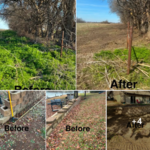
Cornine Farm
Cornine Farm
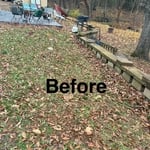
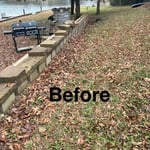
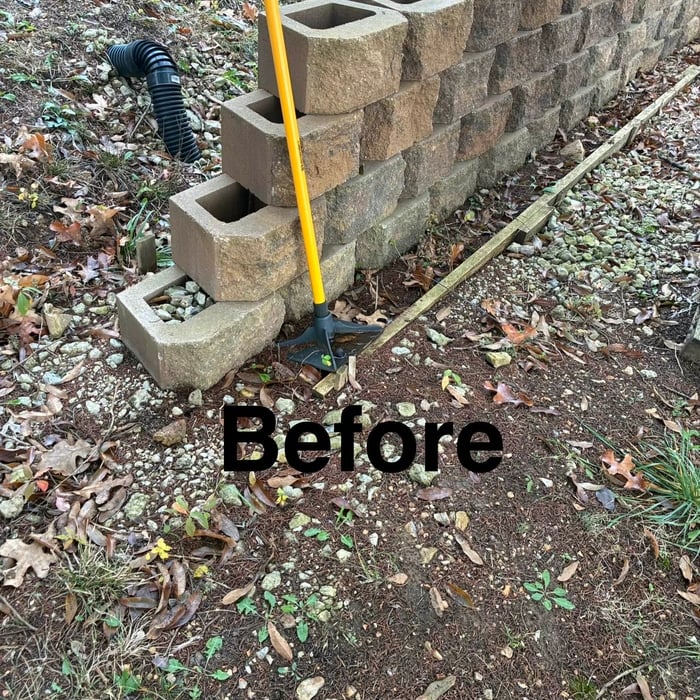
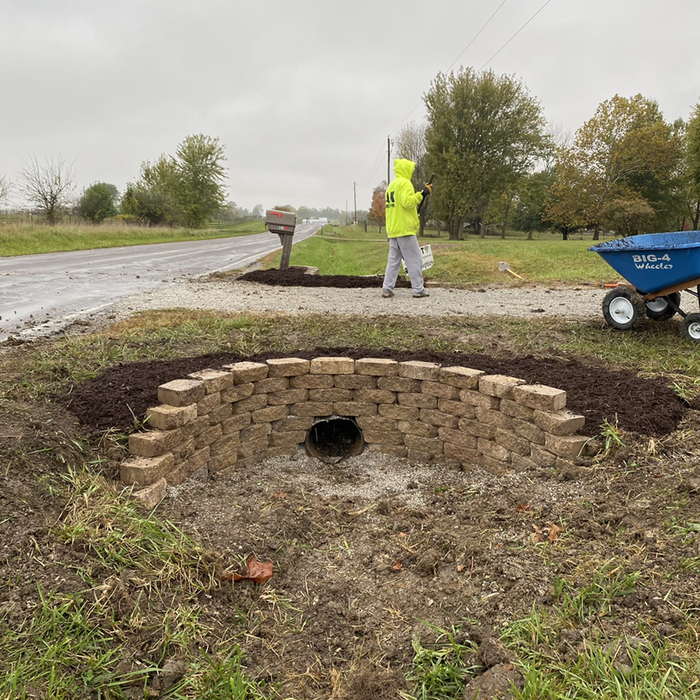
Wall job
Wall job
Wall job

+4

13 neighbors recently requested a quote
Avatar for Royal Contracting Llc
Royal Contracting Llc
3.9(
24
)
Retaining Wall - Install

Serving Boonville, MO and surrounding areas

In business since 2015

Free estimates

Emergency services offered

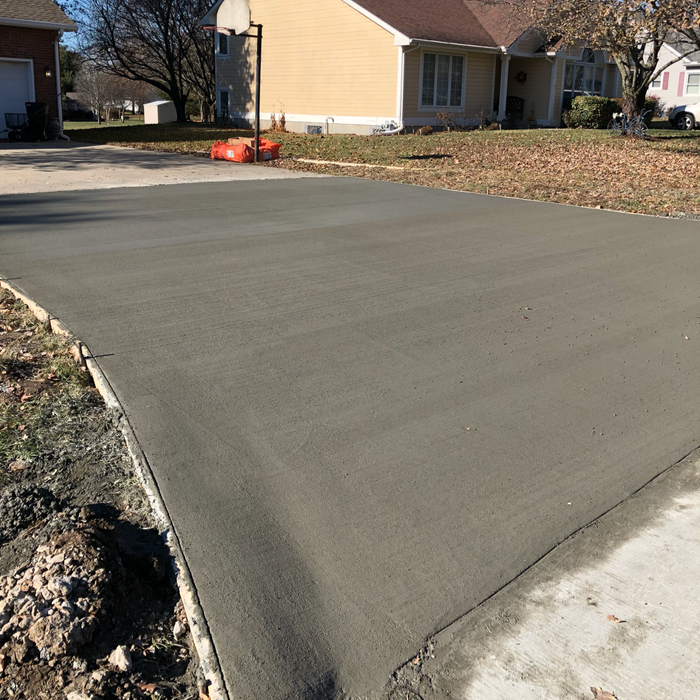
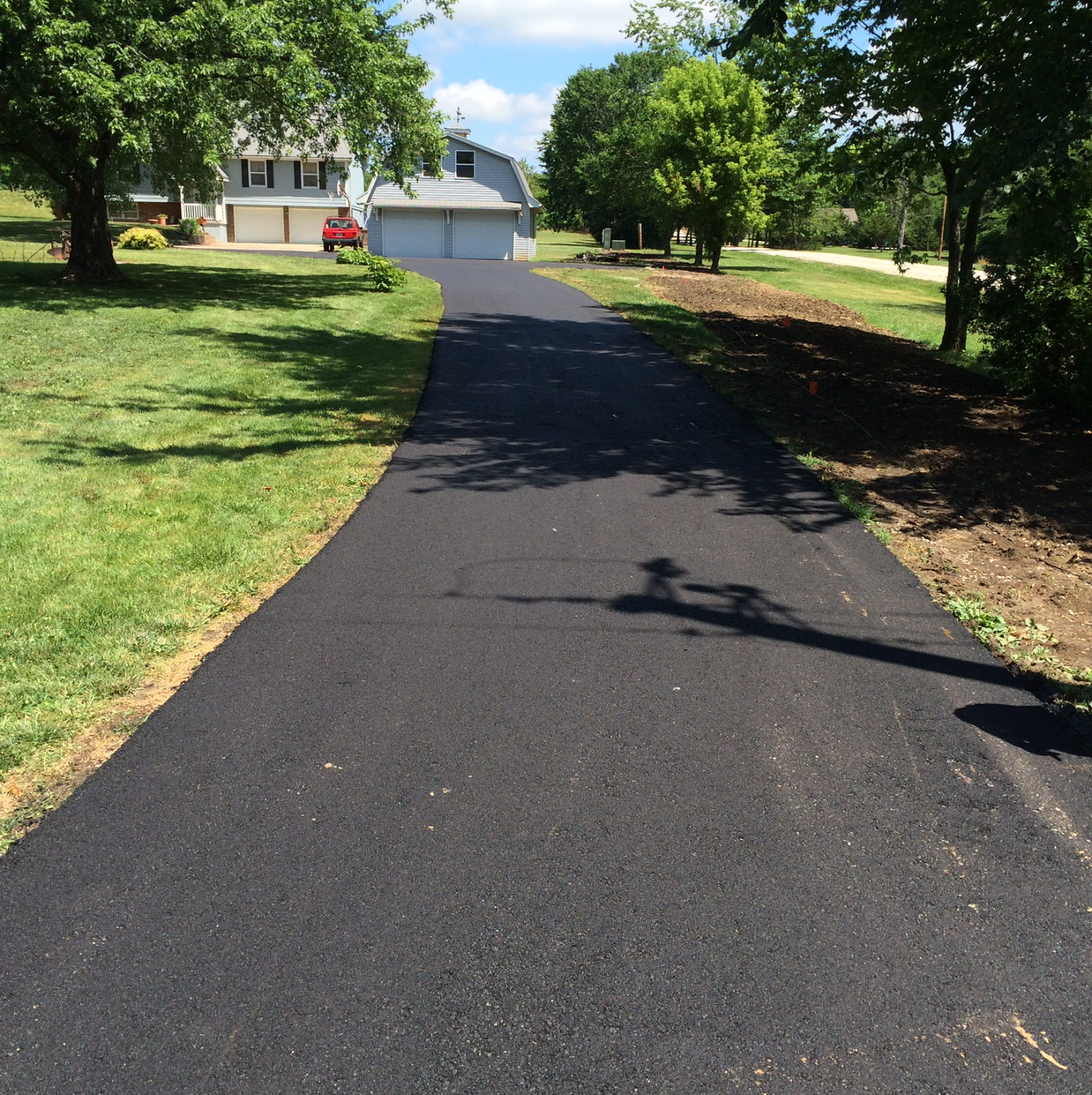
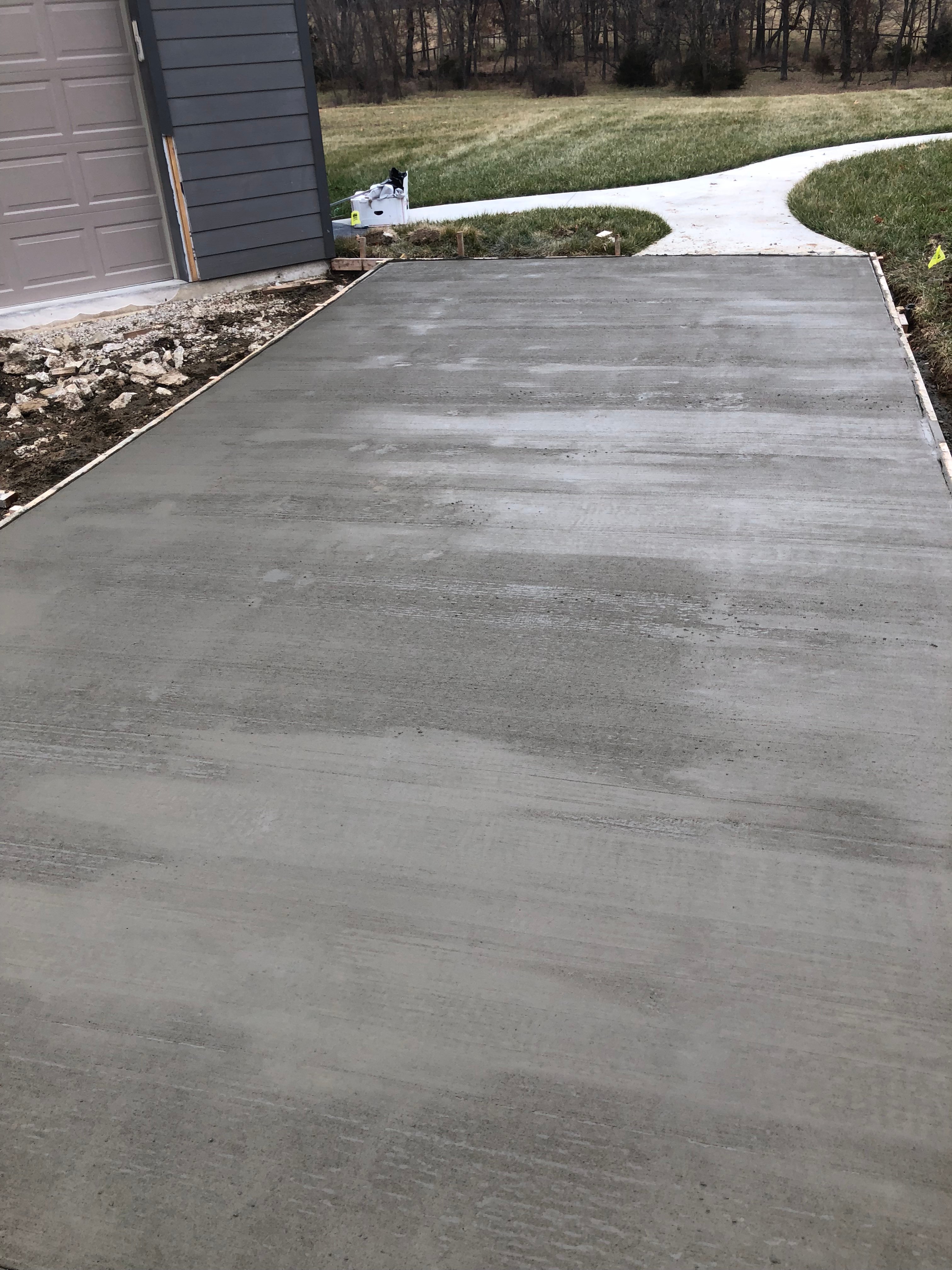
"A great job was done! All the crew was courteous and respectful of our property. All in one morning we had a new driveway! It's sealed and ready to go. Price's were reasonable and well deserved! Would reccomend them to anyone!"
Additional Photos
Additional Photos
Additional Photos
Additional Photos
Additional Photos

+22

Recommended by80%of homeowners
Showing 1-10 of 33
Retaining Wall Installers FAQs, answered by experts

Most railroad tie retaining walls have a life span of 20 to 30 years, though you may need to replace your wall sooner if it’s repeatedly exposed to heavy rain, runoff, and excess moisture. Railroad ties are typically treated with creosote, which makes them much more durable than untreated wood. Though they last longer, they don’t last forever. For the most longevity, make sure your retaining wall has a sturdy base and steel reinforcements. You should also install drainage to direct water away from the wall.

Railroad ties can be good for retaining walls, but it depends on the area. They have a desirable rustic look and are durable. The problem is they’re treated with creosote, a preservative the EPA says poses a risk to humans and wildlife. Over time, the preservative seeps out of the wood and into the ground. Many areas have banned the use of creosote-treated wood on residential properties. If your area does allow it, never use railroad ties near an edible garden or drinking water source. Instead, use wood that’s treated with an EPA-approved preservative or a wood-alternative composite material.

Generally, a railroad tie retaining wall consisting of a single line of ties should be between 3 and 4 feet tall—and the height often tops out at around 6 feet. You can go taller, but you may need additional footings and reinforcements, including a second layer of railroad ties to support the added weight of the soil it’s holding back.

If you don’t backfill a retaining wall—either at all or adequately enough—the wall won’t drain well, and water will be able to pass through it. Poor drainage will lead to a warped wall or a buildup of hydrostatic pressure, which can eventually collapse your retaining wall. If you have particularly sloped land, consult a structural engineer to ensure your hardscaping is adding value to your home.

Rebar is a steel support that goes inside concrete to prevent structural damage over time. Concrete is susceptible to impact, weight, and tension. By inserting rebar into the concrete during the installation, you can help extend its lifespan and avoid hazardous situations where the foundation of your home gives way to tensile forces.

The Boonville, MO homeowners’ guide to retaining wall installation services

From average costs to expert advice, get all the answers you need to get your job done.