





Top-rated retaining wall installation pros.

Get matched with top retaining wall installation pros in Paris, MO

Enter your zip and get matched with up to 5 pros

Need a pro for your retaining wall installation project in Paris, MO?

Select your specific project to find the pro for you.

Find Retaining wall installation pros in Paris

Avatar for Stanley's Home Improvement
Stanley's Home Improvement
3.3(
12
)
Retaining Wall - Install

Serving Paris, MO and surrounding areas

Free estimates

Emergency services offered

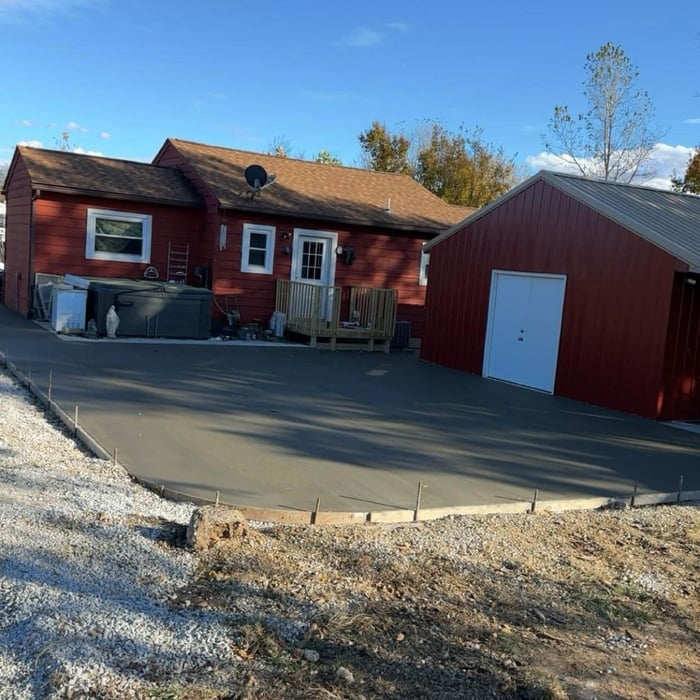
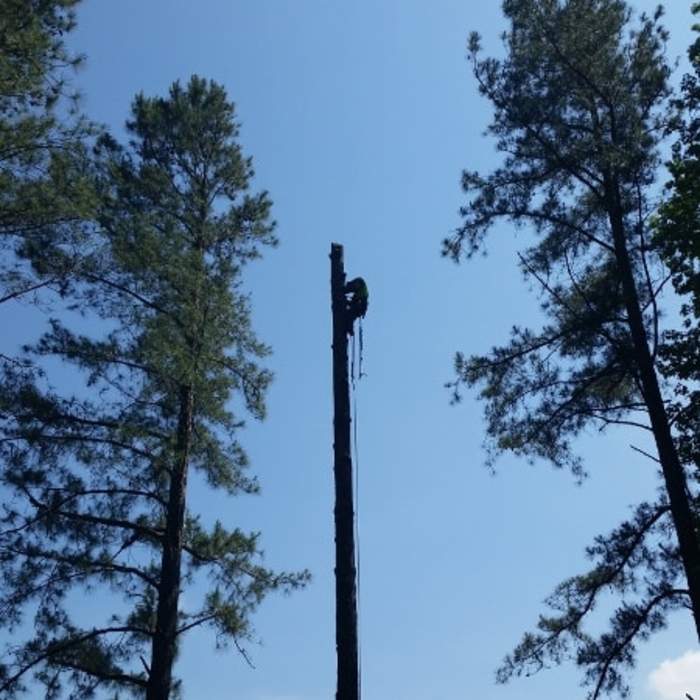
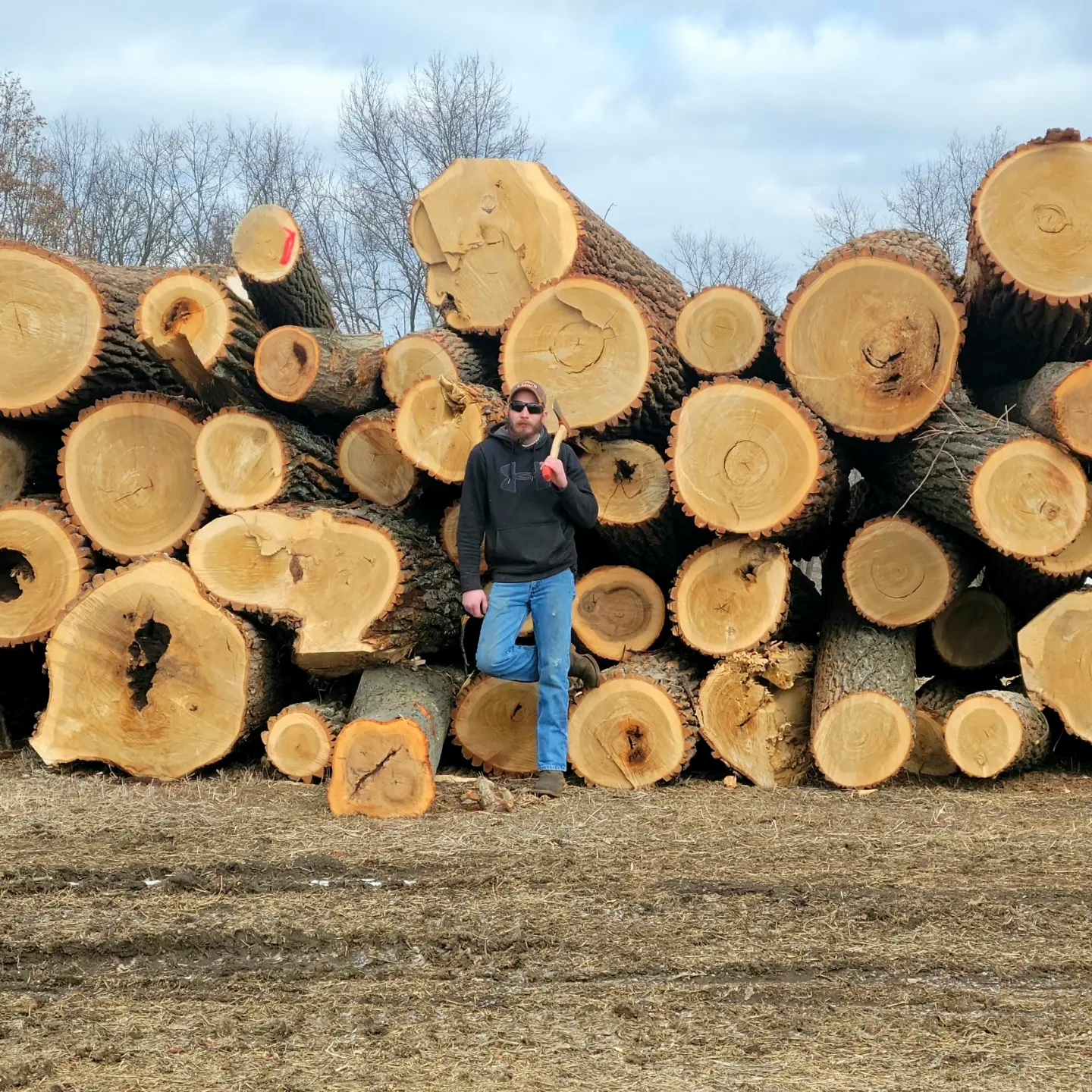
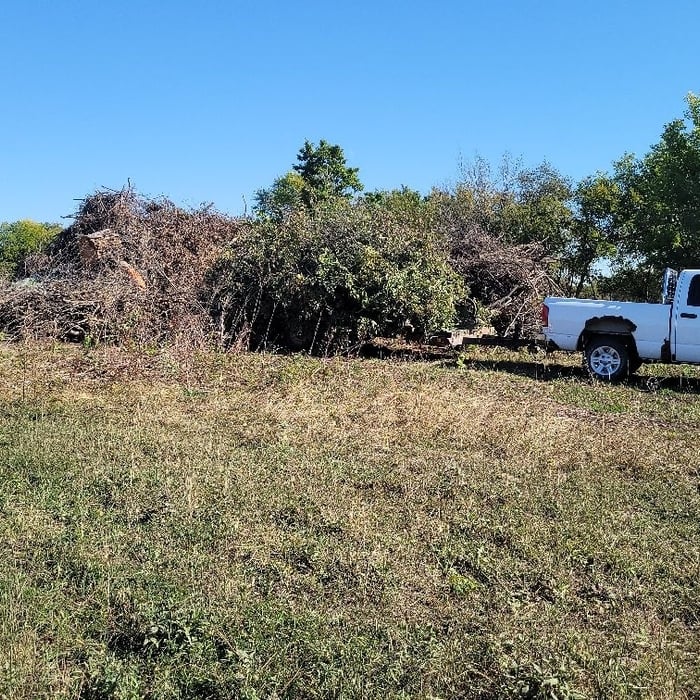
"They did a very amazing job with the amount of trees i was needing done, they was very respectful and a very affordable price, my wife also hired then again when they mentioned landscaping and it was outstanding. I will call them again for the trees and landscaping needs next year!"
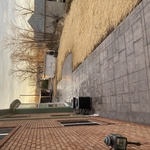
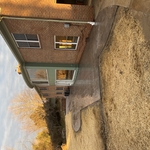
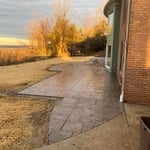
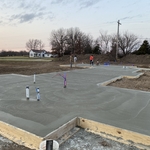
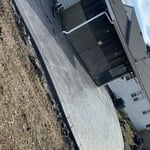
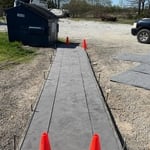
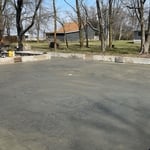
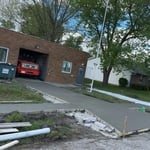
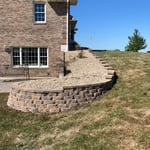
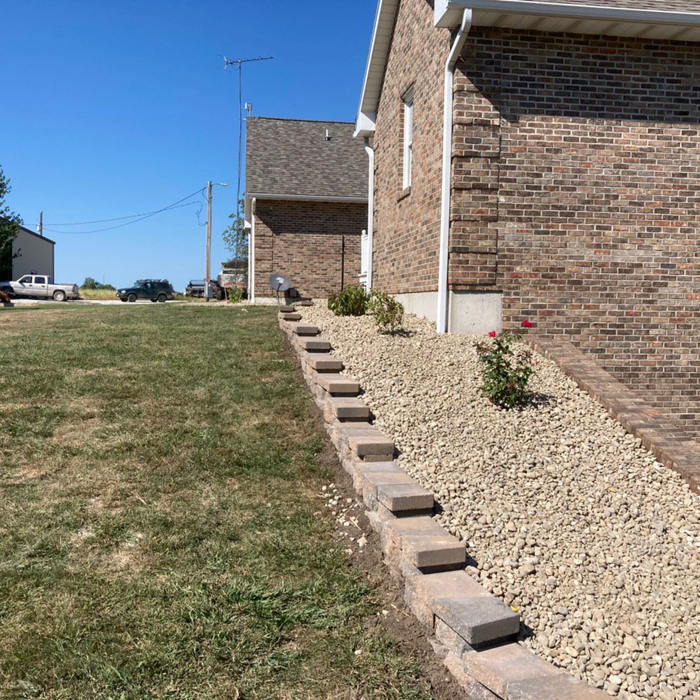
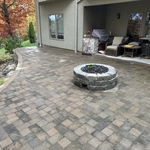
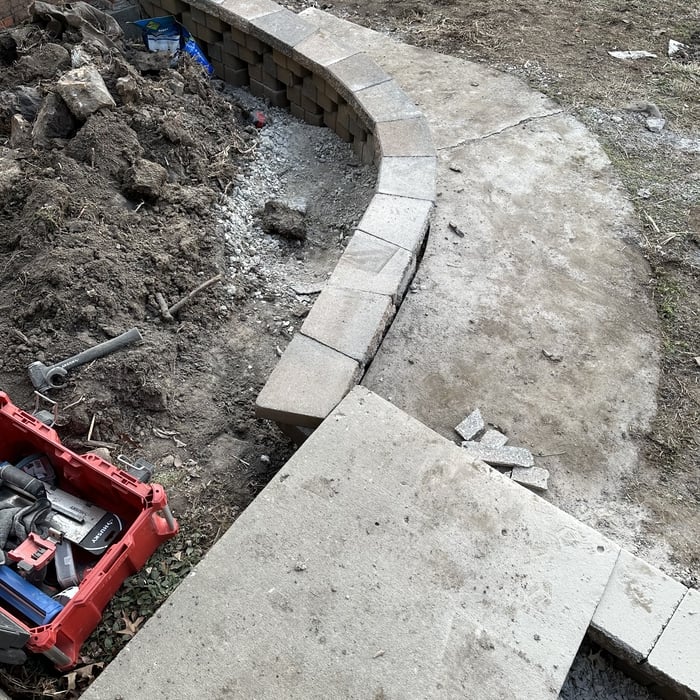
Additional Photos
Additional Photos
Additional Photos
Additional Photos
Additional Photos

+8

Recommended by77%of homeowners
Showing 1-10 of 27
Retaining Wall Installers questions, answered by experts
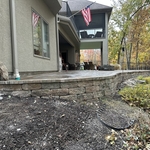
With foundation walls, the slab on grade and force at the top of the wall is resisted by flooring. With retaining walls, the force at the top of the wall is not resisted.

Installation typically takes 1-2 weeks, depending on the wall’s size and site conditions.

Yes, to build a retaining wall, a permit is required. Similarly, any repairs or modifications to an existing retaining wall require permits. If the planned wall measures higher than 4 feet, most municipalities require designs and permits come through a licensed engineer. In some locations, if the wall is shorter than 4 feet, a permit may not be required. For the requirements in your area, contact your local government.
Railroad ties can be good for retaining walls, but it depends on the area. They have a desirable rustic look and are durable. The problem is they’re treated with creosote, a preservative the EPA says poses a risk to humans and wildlife. Over time, the preservative seeps out of the wood and into the ground. Many areas have banned the use of creosote-treated wood on residential properties. If your area does allow it, never use railroad ties near an edible garden or drinking water source. Instead, use wood that’s treated with an EPA-approved preservative or a wood-alternative composite material.

Sand and gravel are two suitable options for filling behind a retaining wall. If you’re building your own retaining wall, you’ll complete this part of the process—known as backfilling—after you finish laying the blocks. Make sure not to skip it—otherwise, you could wind up with drainage issues, which can cause your retaining wall to collapse.

The Paris, MO homeowners’ guide to retaining wall installation services

From average costs to expert advice, get all the answers you need to get your job done.