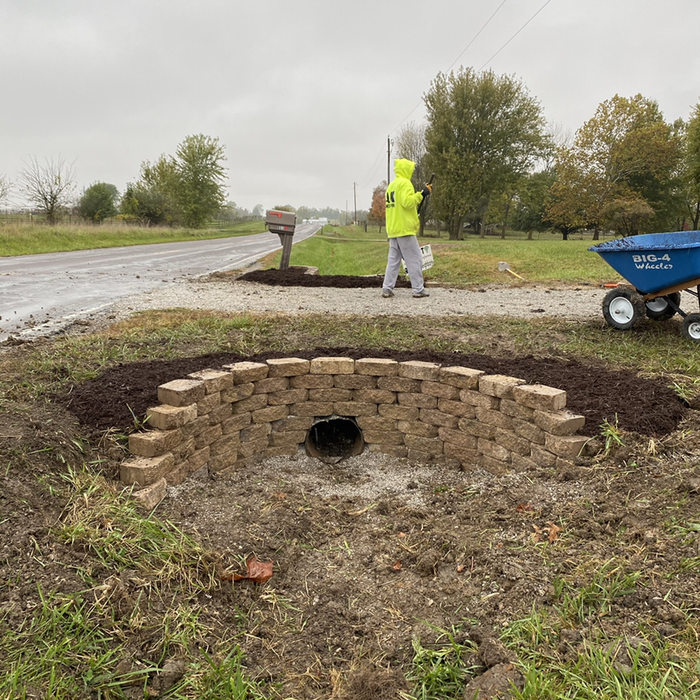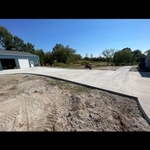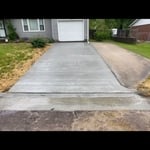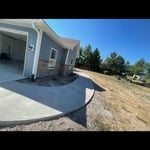




Top-rated retaining wall installation pros.

Get matched with top retaining wall installation pros in Mexico, MO

Enter your zip and get matched with up to 5 pros

Need a pro for your retaining wall installation project in Mexico, MO?

Select your specific project to find the pro for you.

Find Retaining wall installation pros in Mexico

Avatar for Show-Me Concrete Co
Show-Me Concrete Co
5.0(
3
)
Retaining Wall - Install

Serving Mexico, MO and surrounding areas

In business since 2020

Free estimates

Small jobs welcome

"This guy was absolutely amazing! He did a great job communicating with me and doing exactly what i asked. Everything turned out perfectly and just the way i wanted. Couldn?t recommend him more."
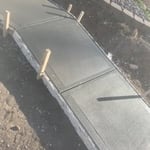
Stamped Patio
Stamped Sidewalk
Shop Floor
Broomed Driveway
Broomed Driveway

+1

2 neighbors recently requested a quote
Avatar for Stanley's Home Improvement
Stanley's Home Improvement
3.3(
12
)
Retaining Wall - Install

Serving Mexico, MO and surrounding areas

Free estimates

Emergency services offered

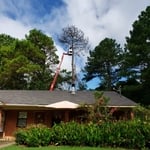
"It was apparent they were very skilled. They quickly dropped the huge limbs without a scratch on the house, fence or sheds surrounding the tree. They arrived on time and cleaned the area to my satisfaction before leaving. And they were competetively priced! I can't say enough good things about this company."
Additional Photos
Additional Photos
Additional Photos
Additional Photos
Additional Photos

+8

Recommended by77%of homeowners
Showing 1-10 of 27
Retaining Wall Installers questions, answered by experts
While vinyl is the least costly material for building a retaining wall, the most cost-effective method is to use wood or concrete blocks for a DIY retaining wall under 2 feet tall. Wood is inexpensive but lasts 20 years or more with care. Concrete can cost a little more but is stronger and will last longer with less maintenance.
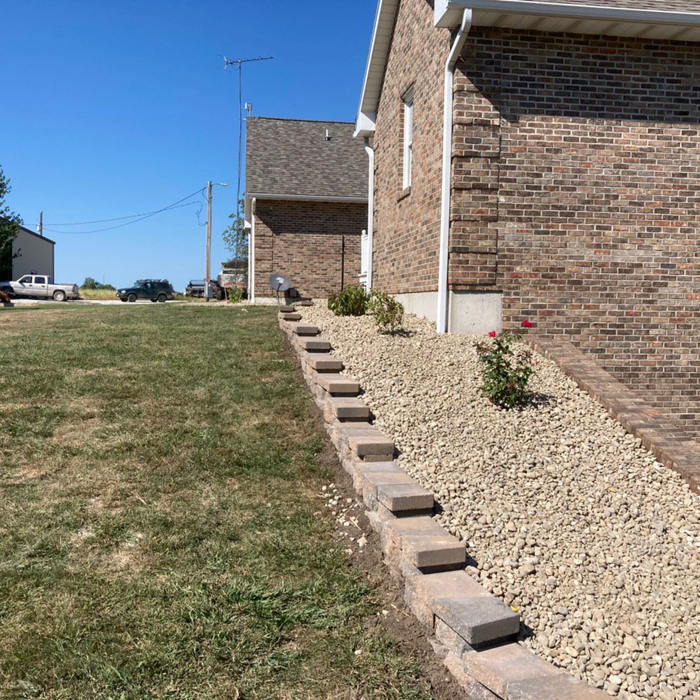
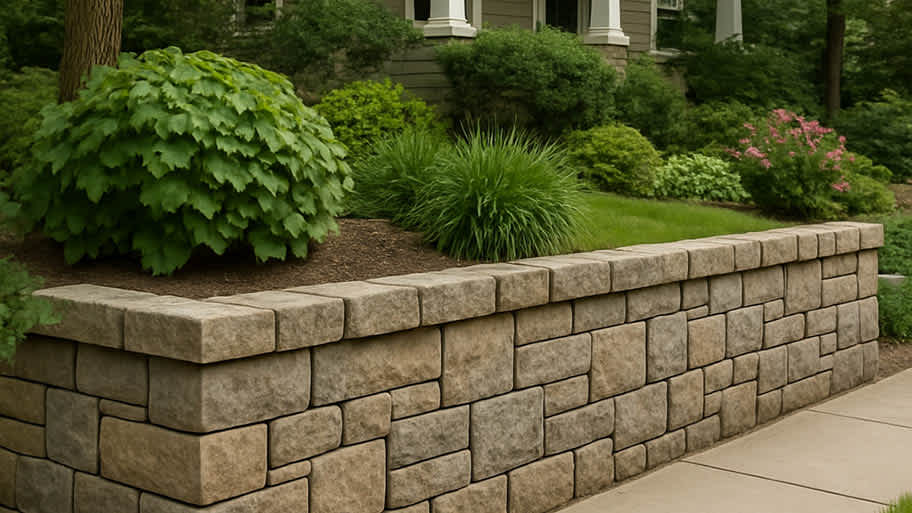
Regular inspection for issues like cracks or leaning and ensuring drainage stays clear.

If you don’t backfill a retaining wall—either at all or adequately enough—the wall won’t drain well, and water will be able to pass through it. Poor drainage will lead to a warped wall or a buildup of hydrostatic pressure, which can eventually collapse your retaining wall. If you have particularly sloped land, consult a structural engineer to ensure your hardscaping is adding value to your home.

The lifespan of a retaining wall varies based on its material, installation quality, maintenance, and local climate, with an average range of 20 to 100 years. Retaining walls made from durable materials like concrete, stone, and brick generally last a minimum of 50 years. Concrete walls typically last between 50 and 100 years, while brick can last for over a century in ideal conditions. Timber retaining walls can last from 20 to 40 years, depending on the wood quality, and pressure-treated wood walls average around 30 years. It is important to note that a retaining wall can fail prematurely if it was poorly constructed, for example, with inefficient footings or without necessary rebar reinforcements.

Each design is different, so we can’t say definitively if you’ll need a dedicated drainage system in place for a two-foot retaining wall. However, you can likely skip the drainage, as this project is typically served for walls that are 4 feet tall or more. Even with a relatively low wall, consider drainage if you are building on top of clay or poor-draining soil types or if there are buried water sources nearby, like a well used for other outdoor garden projects.

The Mexico, MO homeowners’ guide to retaining wall installation services

From average costs to expert advice, get all the answers you need to get your job done.