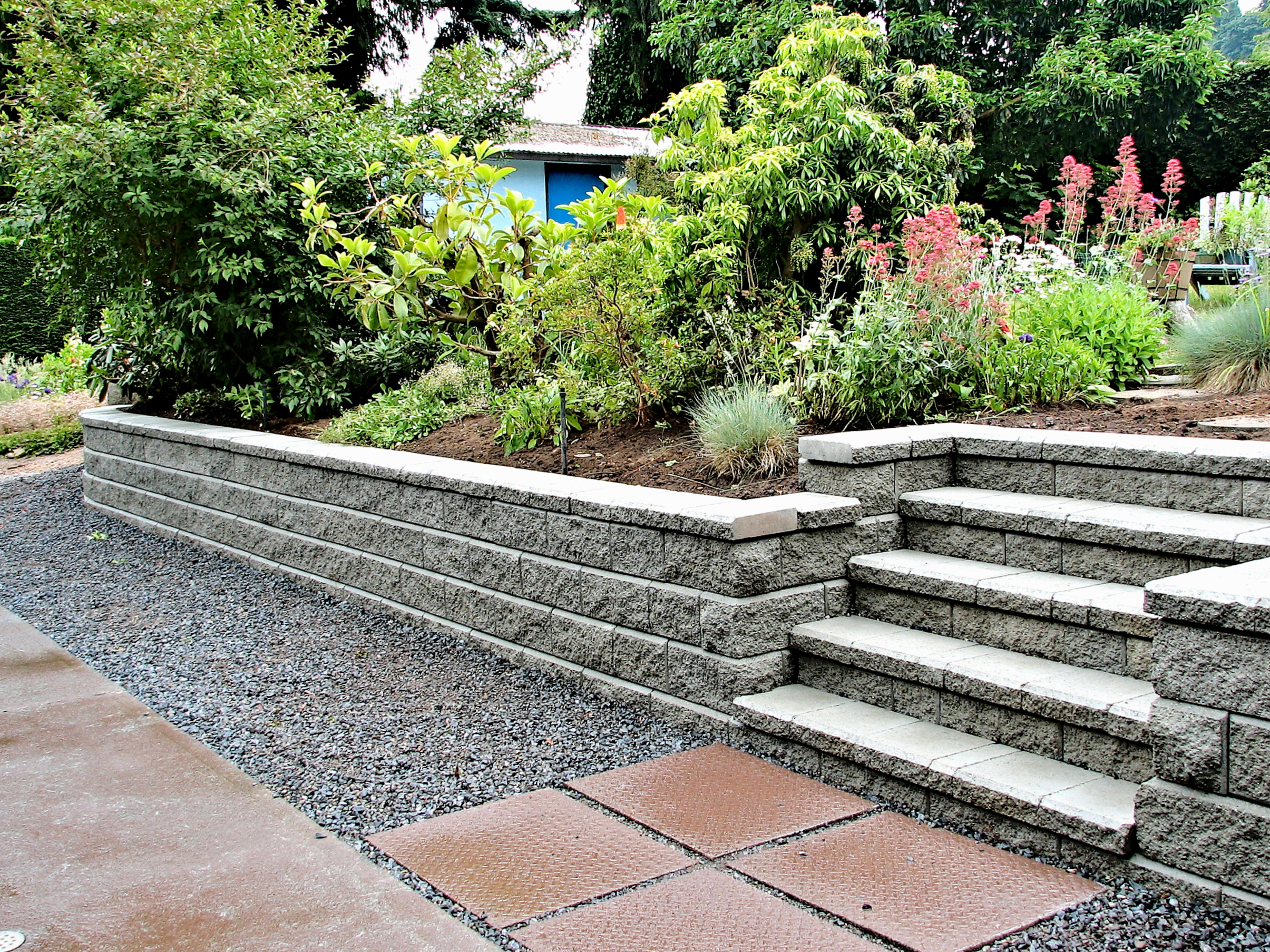








Top-rated retaining wall installation pros.

Get matched with top retaining wall installation pros in Taylor, MO

Enter your zip and get matched with up to 5 pros

Need a pro for your retaining wall installation project in Taylor, MO?

Select your specific project to find the pro for you.

TRUSTED BY TAYLOR, MO HOMEOWNERS

  • Average homeowner rating star icon4.3
    Average homeowner rating
  • Verified reviews icon31
    Verified retaining wall installation services reviews

Find Retaining wall installation pros in Taylor

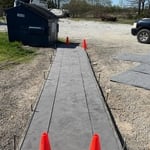
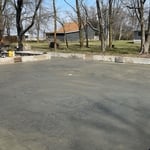
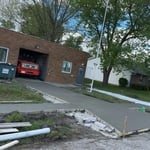
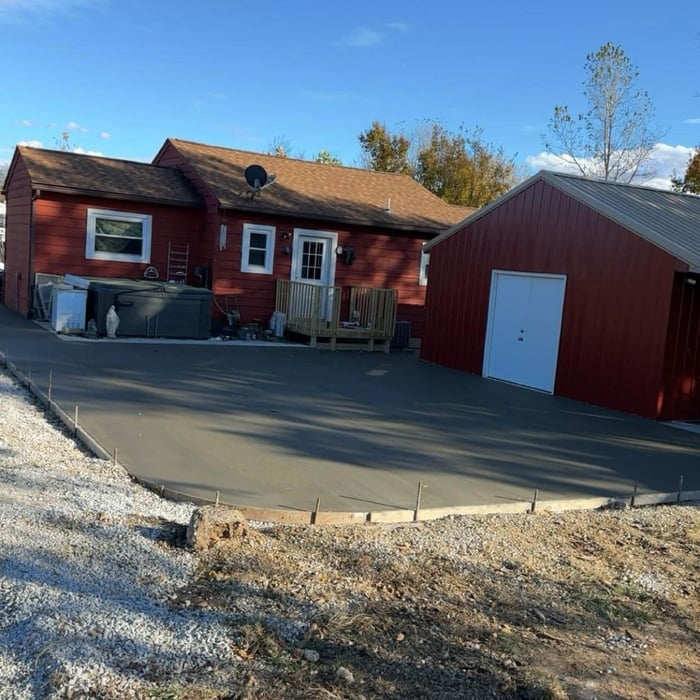
Avatar for Show-Me Concrete Co
Show-Me Concrete Co
5.0(
3
)

Serving Taylor, MO and surrounding areas

Approved

In business since 2020

Free estimates

Small jobs welcome

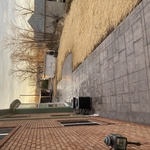
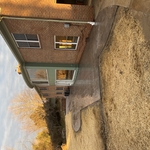
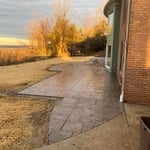
"This guy was absolutely amazing! He did a great job communicating with me and doing exactly what i asked. Everything turned out perfectly and just the way i wanted. Couldn?t recommend him more."
Stamped Patio
Stamped Sidewalk
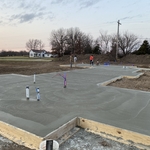
Shop Floor
Broomed Driveway
Broomed Driveway

+1

2 neighbors recently requested a quote
Showing 1-10 of 21
Retaining Wall Installers questions, answered by experts

Poured concrete is often the cheapest material for a retaining wall, costing around $6 to $8 per square foot. Other budget-friendly options include vinyl and landscaping timbers, which range from $10 to $15 per square foot; landscaping timbers are particularly well-suited for DIY projects. Untreated timber and railroad ties are a step up in price, starting at $15 to $25 per square foot. Natural stones can also be a cost-effective choice if you can source them from your own property, but they can be expensive to purchase. High-end materials like steel are typically the most expensive but offer superior durability and aesthetics.

To maintain the integrity of your landscape, a retaining wall must be installed if the slope of the angle exceeds 35 degrees. The lean of the wall must be 1 inch per 12 inches in height to disperse the weight of the soil uniformly and guarantee the correct drainage of the soil.

Sand and gravel are two suitable options for filling behind a retaining wall. If you’re building your own retaining wall, you’ll complete this part of the process—known as backfilling—after you finish laying the blocks. Make sure not to skip it—otherwise, you could wind up with drainage issues, which can cause your retaining wall to collapse.

Railroad ties can be good for retaining walls, but it depends on the area. They have a desirable rustic look and are durable. The problem is they’re treated with creosote, a preservative the EPA says poses a risk to humans and wildlife. Over time, the preservative seeps out of the wood and into the ground. Many areas have banned the use of creosote-treated wood on residential properties. If your area does allow it, never use railroad ties near an edible garden or drinking water source. Instead, use wood that’s treated with an EPA-approved preservative or a wood-alternative composite material.

There are contractors specifically trained in the design and construction of retaining walls. Retaining wall contractors are skilled at dealing with the soil on your property and assessing what kind of drainage should be installed. They will recommend the best materials to use for the project and can handle the processing of permits by local authorities.

The Taylor, MO homeowners’ guide to retaining wall installation services

From average costs to expert advice, get all the answers you need to get your job done.