


Top-rated driveway sealcoating pros.

Get matched with top driveway sealcoating pros in Normandy, MO

Enter your zip and get matched with up to 5 pros

Need a pro for your driveway sealcoating project in Normandy, MO?

Select your specific project to find the pro for you.

TRUSTED BY NORMANDY, MO HOMEOWNERS

  • Average homeowner rating star icon4.2
    Average homeowner rating
  • Verified reviews icon127
    Verified driveway sealcoating reviews

Find Driveway sealcoating pros in Normandy

Avatar for Thomas and Dustins Asphalt
Thomas and Dustins Asphalt
4.7(
18
)
Asphalt SealingAsphalt Sealing- For Business

Serving Normandy, MO and surrounding areas

Approved

In business since 1989

Free estimates

Warranties offered

"It was done last year and was sealed today. We now have 3 driveways in row done. 2 have been sealed. Having a cap put on front drive next week. Great work and great price. Thanks a lot."

Additional Photos
Additional Photos
Additional Photos
Additional Photos
Additional Photos

+25

Response time11 hrs
Response rate100%
1 neighbors recently requested a quote
Avatar for Topcoat Asphalt Sealing Company LLC
Topcoat Asphalt Sealing Company LLC
5.0(
14
)
Asphalt Sealing- For Business

Serving Normandy, MO and surrounding areas

In business since 2021

Free estimates

Credit card accepted

"Topcoat asphalt sealing co is amazing ! Great customer service ! Would 10/10 recommend to anyone needing asphalt or sealing done! I will hire them for all my future needs."
16
17
18
19
20

+28

Response time9 hrs
Response rate89%
Recommended by38%of homeowners
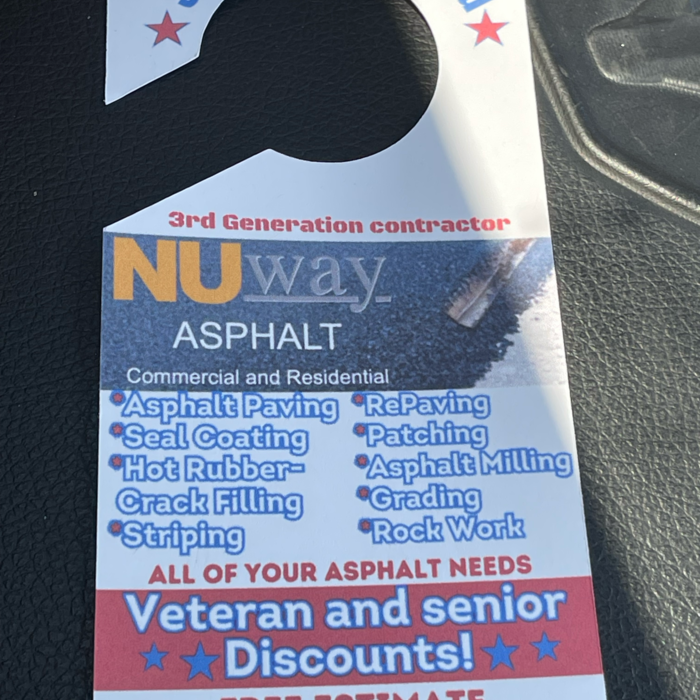
Avatar for NuWay Asphalt
NuWay Asphalt
5.0(
14
)
Asphalt SealingAsphalt Sealing- For Business

Serving Normandy, MO and surrounding areas

Free estimates

"Bob is a true professional. He came to assess our driveway within two days of contacting him and installed it the same week. His crew did a great job on our driveway and provided excellent value for the work they did. Definitely recommend and will use them in the future when needed."
Additional Photos
Additional Photos
Additional Photos
Additional Photos
Additional Photos

+1

Response time2 days
Recommended by35%of homeowners
Avatar for Hartnett Asphalt LLC
Hartnett Asphalt LLC
4.5(
24
)
Asphalt SealingAsphalt Sealing- For Business

Serving Normandy, MO and surrounding areas

In business since 2021

Free estimates

Credit card accepted

"Gabe contacted me very quickly after requesting a quote for our asphalt driveway seal and repair work. Within a week, our project was scheduled and completed. We have high standards for quality work, and we were very impressed with Hartnett Asphalt!Customer service was EXCEPTIONAL. Gabe was professional, friendly, and very particular when doing his work. Without question, we will be doing business with him again in the future! Thank you!"
Response time2 days
Response rate86%
Recommended by69%of homeowners
...
Showing 1-10 of 69
Driveway Sealcoating questions, answered by experts

New asphalt goes through two stages: drying and curing. Drying typically takes 24 to 72 hours, after which the surface is solid enough for light use like walking or careful driving. While you may be able to park on it after 72 hours, the surface is still soft and should be treated gently. Full curing is a much longer process, taking anywhere from 30 days to a full year for the asphalt to reach maximum strength. During this extended curing period, the asphalt is susceptible to damage from heavy vehicles, sharp objects, and high temperatures. Factors like weather, the specific asphalt mix, and application thickness all influence drying and curing times. For the most accurate timeline and to ensure the longevity of your new asphalt, it is always best to consult with your installation contractor for their specific recommendations.

While blacktop is a type of asphalt, the terms should not be used interchangeably, as not all asphalt qualifies as blacktop. The primary differences are in their composition, production process, and ideal applications. Blacktop contains more stone than other types of asphalt and is heated to a higher temperature during production—300°F or more—while hot-mix asphalt is heated to between 275°F and 300°F. The ratio of bitumen (a tar-like crude oil) is a key differentiator, though sources vary: some state blacktop has less bitumen, making it less durable, while others claim it has a higher ratio. Due to these differences, asphalt is generally more durable and better for high-traffic areas like highways and streets, while blacktop is more suitable for playgrounds and residential driveways. For a driveway project, it is best to consult a professional to determine the most appropriate material.

In general, crack fillers last for about two years on average. That timeline can be shorter if you have extremely harsh winters or longer if you live in a mild climate. Luckily, this product is pretty affordable at the hardware store (about $10 to $30) and easy to DIY, so redoing it every few years shouldn’t be too much of a hassle.

The best time to seal a driveway is during periods of mild, dry weather, typically from late spring through early fall. For the sealant to bond and cure properly, it needs warm conditions. Avoid sealing in the winter when temperatures are too low.

For optimal results, follow these guidelines:

  • Temperature: Apply sealant when air and surface temperatures are consistently above a minimum of 50-55°F. The ideal range is often between 60°F and 80°F. Avoid applying sealer in extreme heat (above 90-95°F), as it can cause the sealant to dry too quickly and improperly.

  • Weather: Choose a time with no rain in the forecast for at least 24 to 48 hours after application. Rain can wash away the sealant before it has fully cured.

  • Timing and Cost: While spring and fall offer ideal temperatures, they are also the busiest seasons for driveway sealing companies, which may lead to higher costs due to increased demand. The best specific month will depend on your local climate.

If your asphalt driveway shows cracks, potholes, or standing water, it’s likely time for a repair. Cracks, big or small, let water seep in, weakening the base and causing further damage. Potholes are a sign of this weakening process in action while standing water suggests your driveway has poor drainage, which can cause even more issues. You may also see warping or buckling—a sign of a compromised base layer—or sinking pavement. Spotting these signs early on can help you save yourself a bigger repair bill in the future.

The Normandy, MO homeowners’ guide to driveway sealcoating

From average costs to expert advice, get all the answers you need to get your job done.