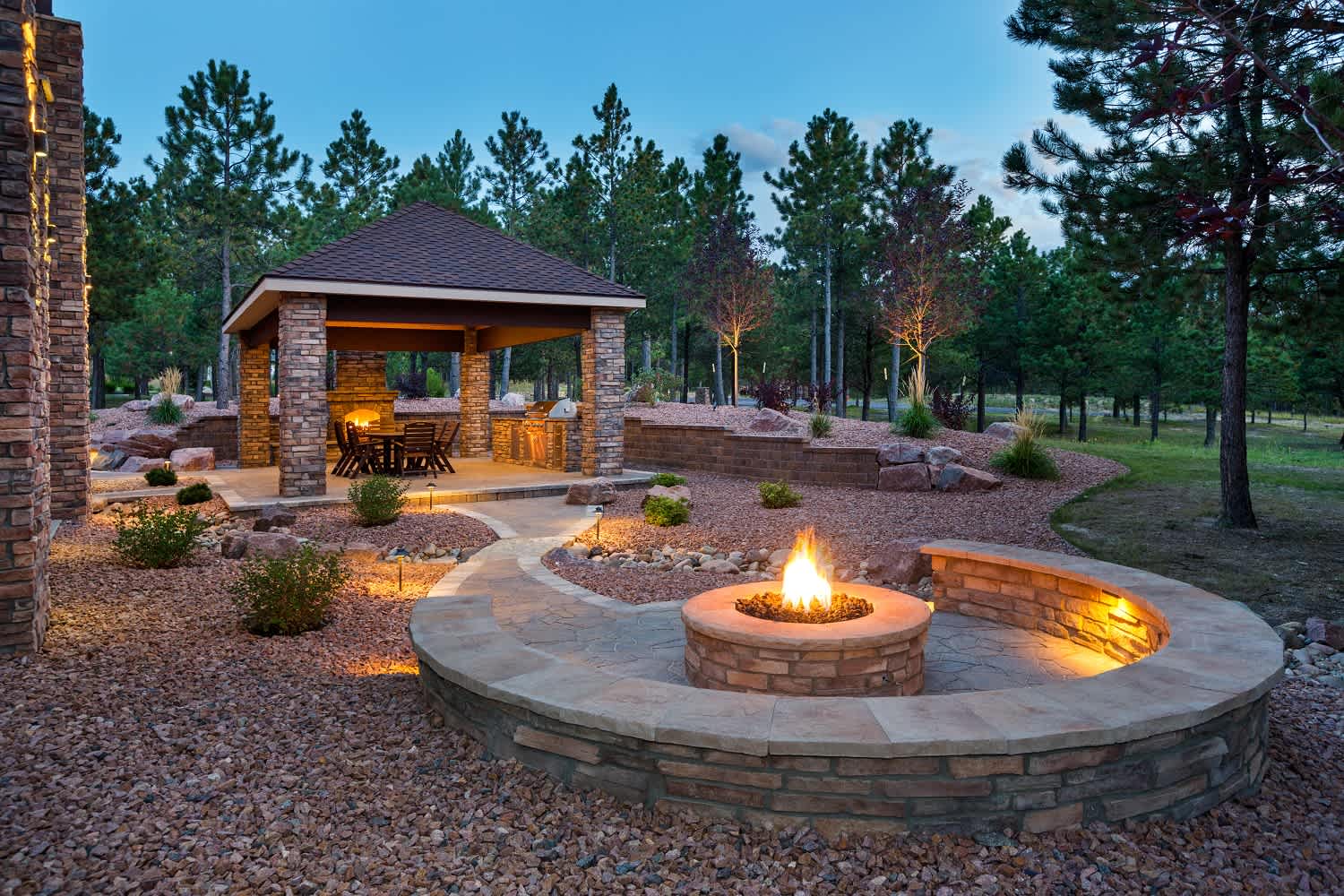





Top-rated fire pit installation pros.

Get matched with top fire pit installation pros in Mountain Grove, MO

Enter your zip and get matched with up to 5 pros

Need a pro for your fire pit installation project in Mountain Grove, MO?

Select your specific project to find the pro for you.

TRUSTED BY MOUNTAIN GROVE, MO HOMEOWNERS

  • Average homeowner rating star icon5
    Average homeowner rating
  • Verified reviews icon11
    Verified fire pit installation services reviews

Find Fire pit installation pros in Mountain Grove

No results for Fire pit installation pro in

Try adjusting your search criteria.
Fire Pit Installation questions, answered by experts

You can fireproof an existing door to some extent, but it's better to remove the old door and replace it with a fire-rated model. Anything dealing with extreme heat needs rigorous testing and a door you DIY fireproof will not undergo the same safety measures as a premade one. Consider a door with a rating of at least 30 minutes or more in residential areas.

Signs that your dryer is about to catch fire include a burning smell or the dryer and the clothes getting hotter than usual. If this happens, turn the dryer off immediately and call a repair professional. Another less urgent sign is that your clothes are taking longer to dry than normal. If this is the case, check the lint trap, vent, and duct to make sure they are all clean. If they are, you may need to call a pro to find the source of the issue.

Yes, a water leak poses a major fire risk at your home because water is a conductor of electricity. Water that comes into contact with sparks or electrical wires can instantly ignite flammable materials. Additionally, any type of exposure to water can cause wires and other electrical components within your home to corrode. When assessing categories of water damage, it's important to know that even a small amount of moisture near wiring could cause sparks that lead to a fire.

Generally, an oil furnace is considered safer than a gas furnace for several reasons. While both types of furnaces can produce carbon monoxide, a leak in an oil furnace is easier to detect due to the smell. Oil furnaces also don't connect to a gas pipeline, which reduces the chance of a fuel leak. Most importantly, heating oil is not combustible, whereas natural gas is highly flammable. This means there is a much lower risk of combustion or explosion with an oil furnace. However, an oil furnace can still pose a fire hazard if it tips over.

Start by checking the top or side edge of the door. Look for a certification label or metal tag stamped with details like the fire rating and information on the manufacturer. Even if it’s painted over, the tag should still be visible. Next, look along the edges for slim intumescent strips. They’re designed to swell up and seal gaps when exposed to heat. Finally, check if the door closes itself. Most fire doors have a self-closing mechanism, like an overhead closer or spring hinges. If none of these are obvious, contact a fire safety professional to help verify your door. 

The Mountain Grove, MO homeowners’ guide to fire pit installation services

From average costs to expert advice, get all the answers you need to get your job done.