



Top-rated generator install pros.

Get matched with top generator install pros in Monett, MO

Enter your zip and get matched with up to 5 pros

Need a pro for your generator install project in Monett, MO?

Select your specific project to find the pro for you.

Find Generator install pros in Monett

Avatar for Tri-State Water, Power & Air
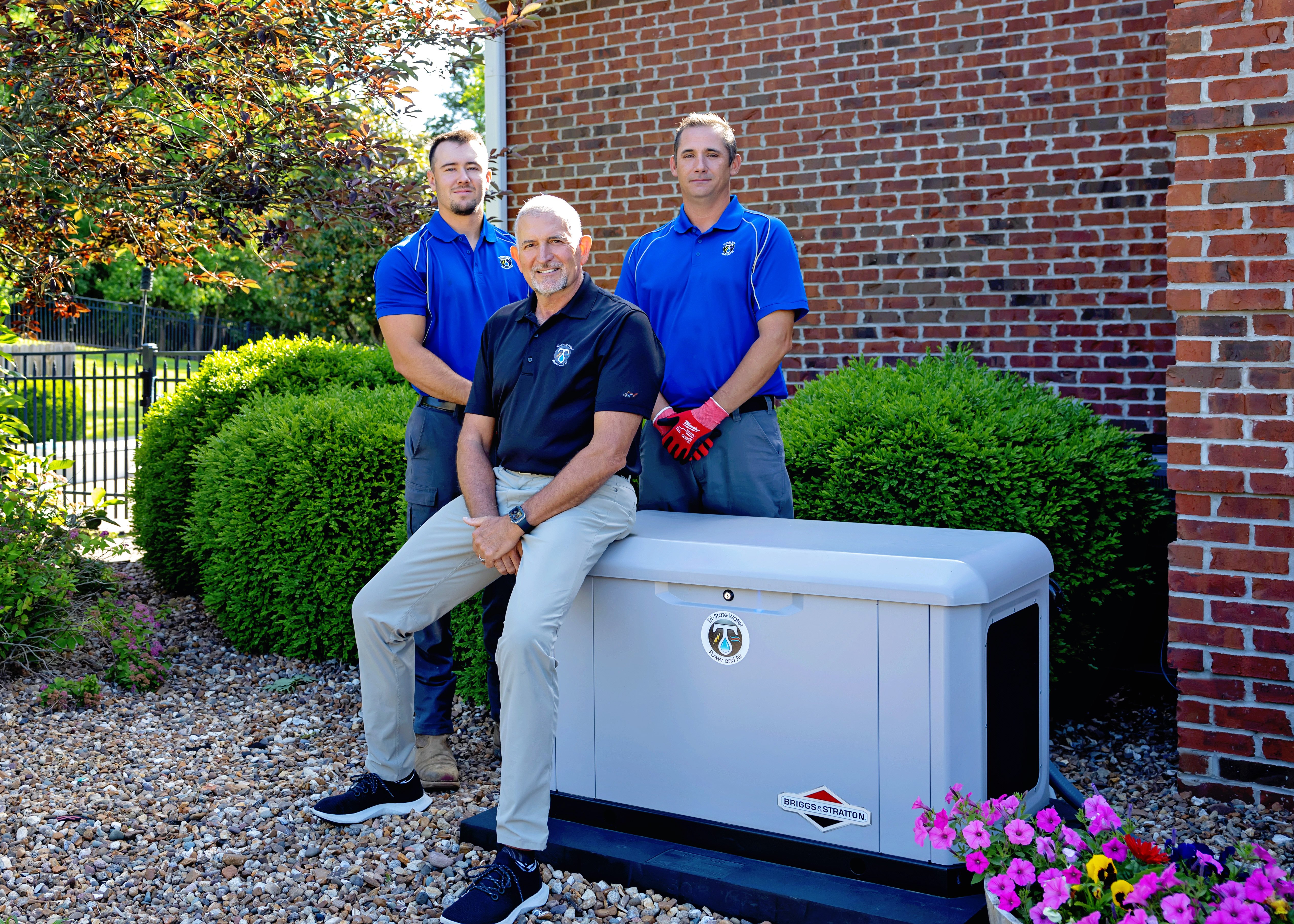
Tri-State Water, Power & Air
New to Angi
Fixed Generator - InstallGenerator - InstallGenerator - Install - For Business

Serving Monett, MO and surrounding areas

Approved (Corporate)

In business since 1992

Free estimates

Emergency services offered

We are the experts in the field of Whole Home Standby Generators, with over 20 years of experience in the game. We provide turn-key installation by licensed professionals - 24 hour emergency service - Remote Monitoring - Long term maintenance and service by factory trained technicians. \nYou can trust our team, knowing that we have a Triple-A Rating with the Better Business Bureau and received the BBB Torch Award for Ethics. We look forward to discussing your needs and providing a recommendation and services you can rely on. \n

Response time1 day
Response rate100%
83 neighbors recently requested a quote
Showing 1-10 of 27
Generator Install questions, answered by experts

To determine the right size generator for your house, you should calculate the total wattage of the appliances and devices you want to power during an outage. List all essential items, note their start-up wattages, and add them together.

Here are some typical wattage requirements for common appliances:

  • Refrigerator: 600 watts

  • Large dehumidifier: 700 watts

  • Large window air conditioner: 1,400 watts

  • Water heater: 3,000 to 4,500 watts

  • Electric furnace: 5,000 to 25,000 watts

A 7,500-watt generator might be sufficient for essentials like a refrigerator, freezer, well pump, and lighting circuits. However, for high-demand items like a water heater or furnace, a whole-home generator is a better choice. A portable generator may be enough if you only need to power a few critical items.

While home square footage can offer a rough estimate, it is not always a reliable indicator. For reference, here are some typical generator sizes based on square footage:

  • 1,000 sq ft: 6–9 kW

  • 1,500 sq ft: 7–10 kW

  • 2,000 sq ft: 10–14 kW

  • 2,500 sq ft: 12–16 kW

  • 3,000 sq ft: 16–20 kW+

For the most accurate sizing, consult a professional who can calculate your home's peak and average power consumption and recommend the optimal generator.

Yes, installing a generator usually increases your property value because buyers are getting the added peace of mind knowing they’ll be able to maintain power through blackouts. In most cases, you should see close to a 100% return on investment (ROI). Keep in mind that home generators usually need a permanent foundation, and installing a concrete slab will likely raise your property taxes slightly.

Energy output depends on turbine size, average wind speed at your site, and system efficiency. A 5 kW turbine in a good wind location can generate 8,000 to 12,000 kilowatt-hours per year, which may cover a large portion of an average home’s needs. Accurate output estimates require a professional wind assessment and a review of your household’s energy usage patterns.

The cost to install a whole-house generator averages $5,200, with a typical price range of $1,500 to $8,900. However, total costs can vary from $400 for a small portable unit to over $18,000 for a large-capacity system. The most significant cost factor is the generator's size and capacity, but other variables include the brand, fuel type, and labor for assembly and installation.

Generator costs can be broken down by type:

  • Portable or Emergency Backup Generators (1kW–7.5kW): $500 to $2,000

  • Partial-Home Generators (9kW–20kW): $2,000 to $6,500

  • Whole-House Generators (22kW–48kW): $5,000 to $18,000

To avoid paying for more power than you need, consider hiring an electrician to calculate the electrical load for your essential appliances. It is also recommended to get at least three quotes to find the best deal for your specific needs and budget.

It is safe to run a generator continuously, but you must follow safety protocols to ensure personal and home safety. Read the manufacturer’s instructions for specific recommendations, but the general recommendation is to turn generators off overnight or when you’re away from the house. Overworked generators can pose a fire hazard and if your generator is not in a well-ventilated area, running it continuously could lead to carbon monoxide poisoning.

The Monett, MO homeowners’ guide to generator installs

From average costs to expert advice, get all the answers you need to get your job done.