





Top-rated generator install pros.

Get matched with top generator install pros in Galena, MO

Enter your zip and get matched with up to 5 pros

Need a pro for your generator install project in Galena, MO?

Select your specific project to find the pro for you.

Find Generator install pros in Galena

Avatar for Electric Geek Squad
Electric Geek Squad
5.0(
8
)

Serving Galena, MO and surrounding areas

Approved

In business since 2022

Free estimates

Small jobs welcome

"Andy was on time began working immediately. Work was extremely professional. Worked diligently as the part to repair was very old. Completed his work and made the necessary repairs and all worked great. Will definitely use this company again in the future."
Response time3 hrs
1 neighbors recently requested a quote
Recommended by100%of homeowners
Avatar for Tri-State Water, Power & Air
Tri-State Water, Power & Air
New to Angi

Serving Galena, MO and surrounding areas

Approved (Corporate)

In business since 1992

Free estimates

Emergency services offered

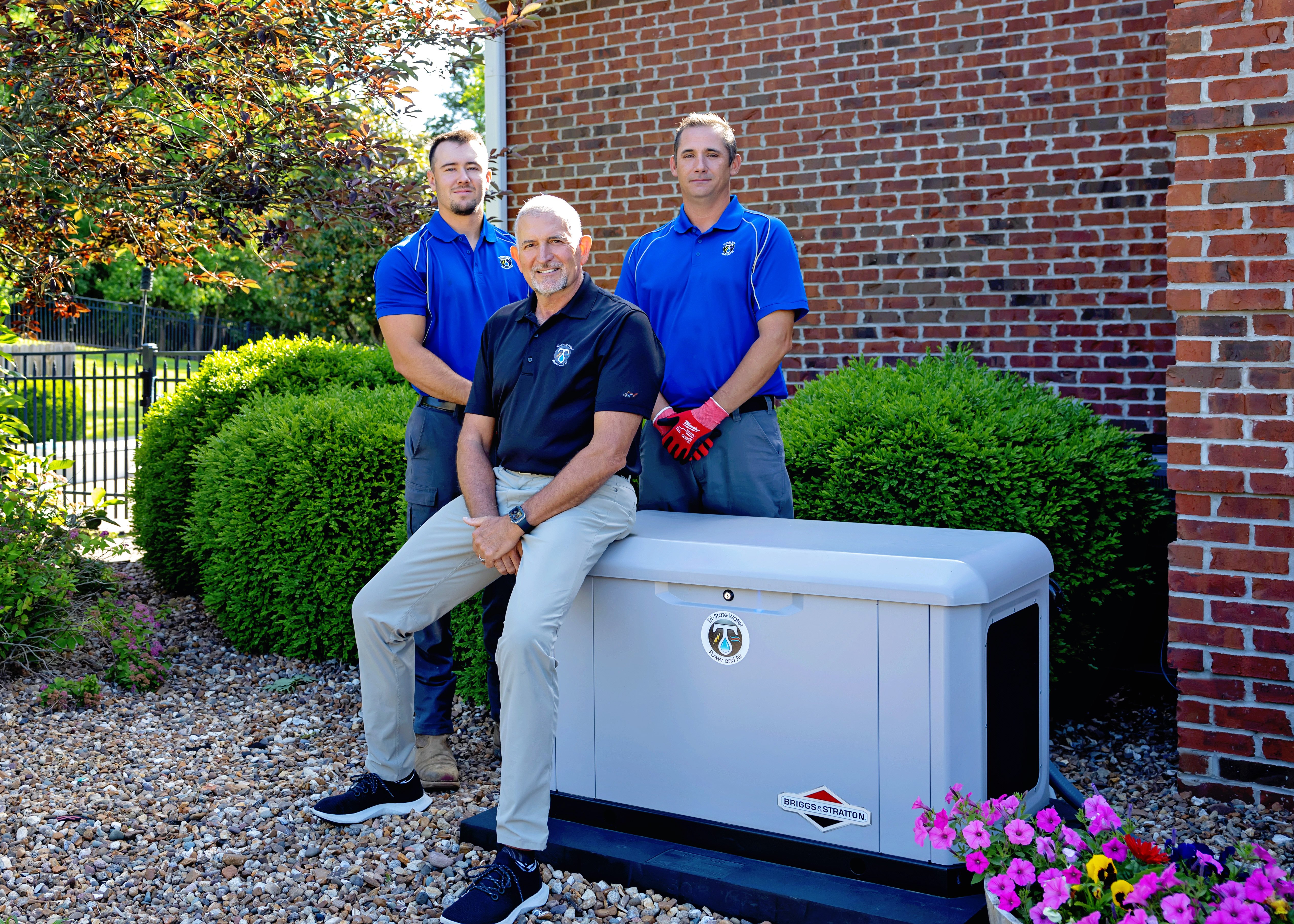
We are the experts in the field of Whole Home Generator Sales and Installation, with over 20 years of experience in the game.\nWe provide turn-key installation by licensed professionals - 24 hour emergency service - Remote Monitoring - Long term maintenance and service by factory trained technicians.

Response time1 day
Response rate100%
53 neighbors recently requested a quote
Avatar for Guardian Electrical LLC
Guardian Electrical LLC
5.0(
10
)

Serving Galena, MO and surrounding areas

In business since 2012

Free estimates

Credit card accepted

"Ed did a great job. He had great communication throughout the project. He installed a generator hookup, moved some items around on our panel, and installed a few extra outlets for us."
Response time1 day
Response rate89%
Showing 1-10 of 31
Generator Install questions, answered by experts

To determine the right size generator for your house, you should calculate the total wattage of the appliances and devices you want to power during an outage. List all essential items, note their start-up wattages, and add them together.

Here are some typical wattage requirements for common appliances:

  • Refrigerator: 600 watts

  • Large dehumidifier: 700 watts

  • Large window air conditioner: 1,400 watts

  • Water heater: 3,000 to 4,500 watts

  • Electric furnace: 5,000 to 25,000 watts

A 7,500-watt generator might be sufficient for essentials like a refrigerator, freezer, well pump, and lighting circuits. However, for high-demand items like a water heater or furnace, a whole-home generator is a better choice. A portable generator may be enough if you only need to power a few critical items.

While home square footage can offer a rough estimate, it is not always a reliable indicator. For reference, here are some typical generator sizes based on square footage:

  • 1,000 sq ft: 6–9 kW

  • 1,500 sq ft: 7–10 kW

  • 2,000 sq ft: 10–14 kW

  • 2,500 sq ft: 12–16 kW

  • 3,000 sq ft: 16–20 kW+

For the most accurate sizing, consult a professional who can calculate your home's peak and average power consumption and recommend the optimal generator.

Costs range from $500 to $2,500, depending on generator type and installation complexity.

You can determine what size generator you need for a transfer switch by matching the switch to the largest outlet on your generator. Larger generators can power up to 10 circuits, while most 5,000-watt generators can provide power to six circuits. So, if your generator’s largest outlet is 30 amps, you’ll need a 30-amp transfer switch.

If you’re wondering whether gas generators produce carbon monoxide, know that natural gas generators do not produce carbon monoxide if they are functioning properly, as natural gas burns cleanly. However, if the generator malfunctions and the gas does not burn completely, there is potential for carbon dioxide to be produced. To prevent malfunctions, it's crucial to perform regular maintenance, including running the generator weekly and scheduling professional inspections every 6 to 12 months. Also, be sure to test your carbon monoxide detectors regularly to ensure they function in the rare case of the generator producing carbon monoxide.

To power a central air system during a power outage, the whole-house generator will need to be at least 5,000 watts, and this number will significantly increase for larger units. Check the specific wattage requirements of your AC unit to choose the right generator size. Consider consulting a generator installer to ensure your whole-house generator meets your electrical load needs.

The Galena, MO homeowners’ guide to generator installs

From average costs to expert advice, get all the answers you need to get your job done.