






Top-rated generator install pros.

Get matched with top generator install pros in Crane, MO

Enter your zip and get matched with up to 5 pros

Need a pro for your generator install project in Crane, MO?

Select your specific project to find the pro for you.

Find Generator install pros in Crane

Avatar for Tri-State Water, Power & Air
Tri-State Water, Power & Air
New to Angi
Fixed Generator - InstallGenerator - InstallGenerator - Install - For Business

Serving Crane, MO and surrounding areas

Approved (Corporate)

In business since 1992

Free estimates

Emergency services offered

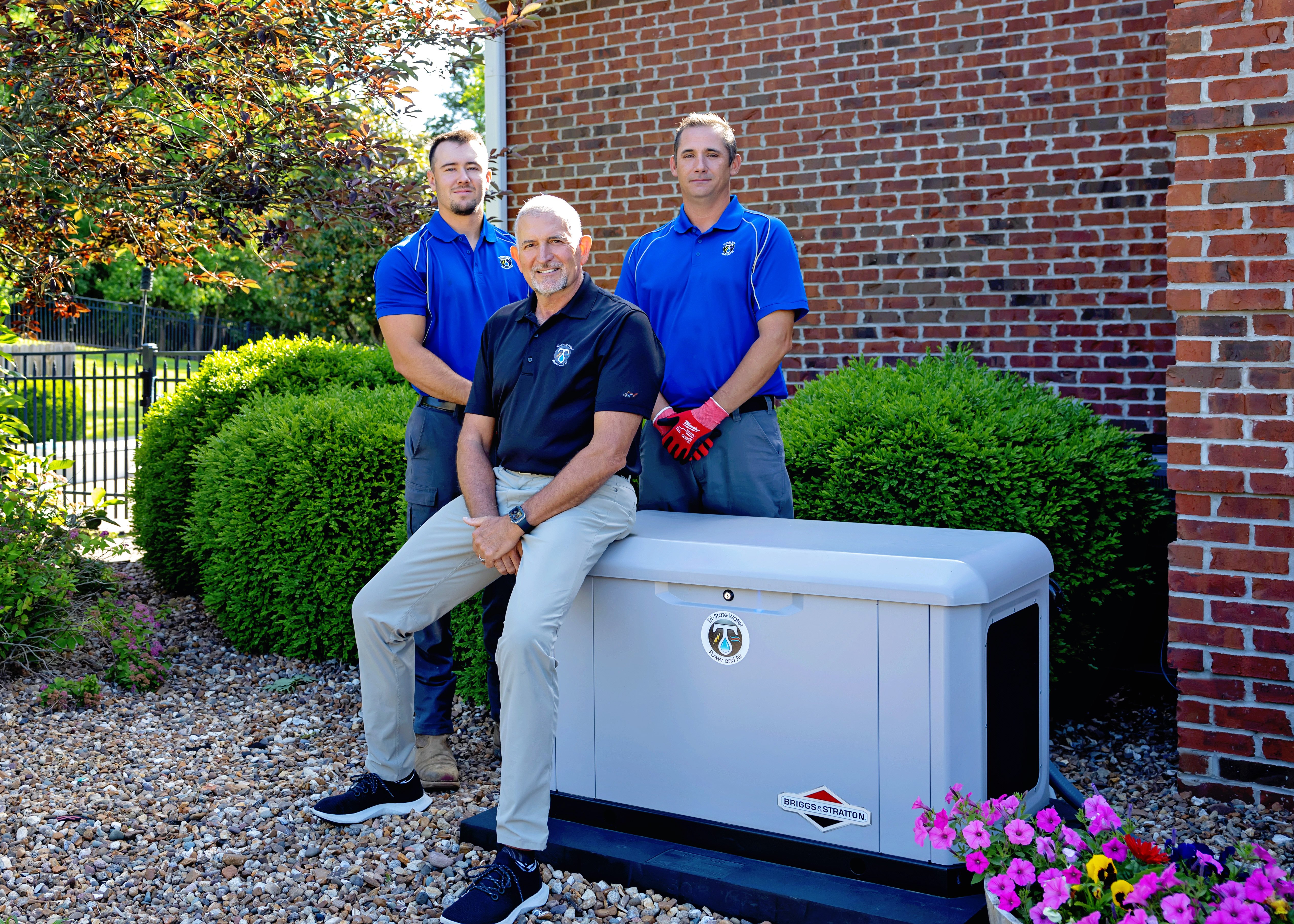
We are the experts in the field of Whole Home Generator Sales and Installation, with over 20 years of experience in the game.\nWe provide turn-key installation by licensed professionals - 24 hour emergency service - Remote Monitoring - Long term maintenance and service by factory trained technicians.

Response time1 day
Response rate100%
53 neighbors recently requested a quote
Showing 1-10 of 27
Generator Install questions, answered by experts

If you’re wondering if you can use your electric vehicle as a backup battery, it depends on whether your EV is compatible with bidirectional charging. This technology allows energy to flow both ways, enabling vehicle-to-home (V2H) backup power, vehicle-to-load (V2L) for appliances and camping, and vehicle-to-grid (V2G) to support the power grid. Compatible EVs convert stored DC energy into usable AC power, helping reduce energy costs and enhance grid stability while providing emergency backup power.

Here’s what you can run with different wattages and types of generators:

Portable generator:

  • 2,000 watts can handle a large appliance like a freezer or refrigerator, plus a few smaller items like phones or computer chargers. 

  • 4,000 watts will keep two large appliances operating and a few smaller devices.

  • 8,000 watts should power most essential appliances and other devices, including a sump pump, well pump, or your dishwasher.

Partial to whole-house generator:

  • 20,000 watts and above will make it seem like your home’s power is still on.

The average cost to install a home generator is $5,200, but total costs can range from $500 to $18,000 or more. The final price depends on several factors, including the generator's size, type, brand, fuel source, and the cost of labor and assembly. The generator's size is the most significant cost factor, as units that can power larger homes with higher energy demands cost more.

Cost breakdowns by generator type are typically as follows:

  • Portable or Emergency Backup Generators (1kW–7.5kW): $500–$2,000

  • Partial-Home Generators (9kW–20kW): $2,000–$6,500

  • Whole-House Generators (22kW–48kW): $5,000–$18,000

To ensure you get the right size unit for your needs without overpaying, consider hiring an electrician to calculate the electrical load of your essential appliances. It is also recommended to get at least three quotes from qualified installers to find the best fit for your budget.

Energy output depends on turbine size, average wind speed at your site, and system efficiency. A 5 kW turbine in a good wind location can generate 8,000 to 12,000 kilowatt-hours per year, which may cover a large portion of an average home’s needs. Accurate output estimates require a professional wind assessment and a review of your household’s energy usage patterns.

Setting up utilities on a vacant property usually takes at least a few months, or between 6 weeks to 16 weeks. This process requires working with the local planning and zoning department, hiring a building contractor or engineer to design the utility layout, securing permits, laying the lines, and connecting the utilities.

The Crane, MO homeowners’ guide to generator installs

From average costs to expert advice, get all the answers you need to get your job done.