



Top-rated deck repair pros.

Get matched with top deck repair pros in Miller, MO

Enter your zip and get matched with up to 5 pros

Need a pro for your deck repair project in Miller, MO?

Select your specific project to find the pro for you.

Find Deck repair pros in Miller

Lasalde Construction Services
5.0(
1
)

Serving Miller, MO and surrounding areas

Approved

In business since 2016

Free estimates

Offers commercial services

With over 5 years of experience Lasalde Construction Services takes great pride our experience, expertise, quality and customer service that we provide to meet the consumer's needs. It is our mission to provide excellent workmanship and complete customer satisfaction from start to completion of a project. Lasalde Construction Services specializes all your outdoor and indoor needs. Our reputation is based on service, safety, and quality; regardless of how large or small the job.

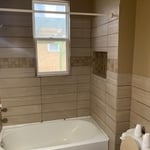
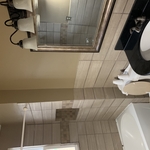
Bathroom Tile
Bathroom Tile
Bathroom Tile
Response time1 day
Recommended by100%of homeowners
Avatar for Duraplex LLC
Duraplex LLC
4.5(
45
)

Serving Miller, MO and surrounding areas

In business since 2006

Free estimates

Emergency services offered

"his crew was here 30 minutes early stayed till the job was done. his crew was very professional and courteous did an excellent clean up after the job We are more than satisfied and would highly recommend Travis and the guys with Duraplex very reasonably priced and very high quality materials and workmanship
"
Additional Photos
Additional Photos
Additional Photos
Additional Photos
Additional Photos

+16

Recommended by91%of homeowners
...
Showing 1-10 of 67
Deck Repair questions, answered by experts

Your deck may look or feel fuzzy after pressure washing because the high-pressure spray tears some wood fibers as it removes the outer layer of dead and discolored wood. This fuzzy effect is a normal part of the pressure-washing process and will go away on its own in a few weeks. You can opt to spot-sand your deck if you’d like to remove it more quickly.

Yes, but ensuring the deck has a solid foundation with adequate footings is critical before building, as the weight of a sunroom will put significant pressure on the structure below. Even if your deck is properly constructed, it may not be able to handle the extra weight. While some basic, lightweight, prefabricated sunrooms can sit on a deck with a strong existing foundation without additional supports, in many cases, the foundation and joists will need reinforcement. It is always best to have a structural engineer perform an inspection to evaluate the deck's quality and structural integrity. A professional can help you decide if reinforcement is sufficient or if it's better to tear down the deck and start over.

Liquid rubber is great for waterproofing, but it can damage your deck if it’s not applied correctly. First, it can trap moisture in the wood if the deck isn’t completely dry before application.  Second, applying it too thickly can create a heavy, rubbery surface layer that peels and cracks under fluctuating temperatures. For the best results, ensure the wood is completely dry before application, and apply the liquid rubber in thin, even coats. A quick inspection every now and then will help you catch any issues early, keeping your deck protected and looking its best.

Most building codes require that railing spindles (also known as balusters) on decks or stairs be spaced no more than four inches apart. This safety standard is often called the '4-inch sphere rule,' which means a sphere with a 4-inch diameter should not be able to pass through the opening between balusters. This rule is in place to prevent small children and pets from slipping through the railing. For the same reason, the space between the bottom rail and the deck or floor surface should also be no more than four inches. As a general guideline, professionals often install three balusters per foot of railing. However, since specific requirements can vary by location, it is essential to check your local building codes to ensure compliance before starting your project.

Footings for ground-level decks need to be at least 12 inches deep, and some areas require them to be even deeper. A standard range for deck footings is anywhere from 12 to 48 inches. The minimum footing depth is determined by an area’s frost line and soil conditions. If you’re unsure how deep to install deck footings, check local building codes to find the minimum footing depth in your area. 

The Miller, MO homeowners’ guide to deck repair services

From average costs to expert advice, get all the answers you need to get your job done.