
Top-rated drywall pros.

Get matched with top drywall pros in Lonedell, MO

Enter your zip and get matched with up to 5 pros

Need a pro for your drywall service project in Lonedell, MO?

Select your specific project to find the pro for you.

Find Drywall pros in Lonedell

protapers
New to Angi
Drywall - InstallDrywall - Install - For BusinessDrywall - Repair+1 more

Serving Lonedell, MO and surrounding areas

Approved

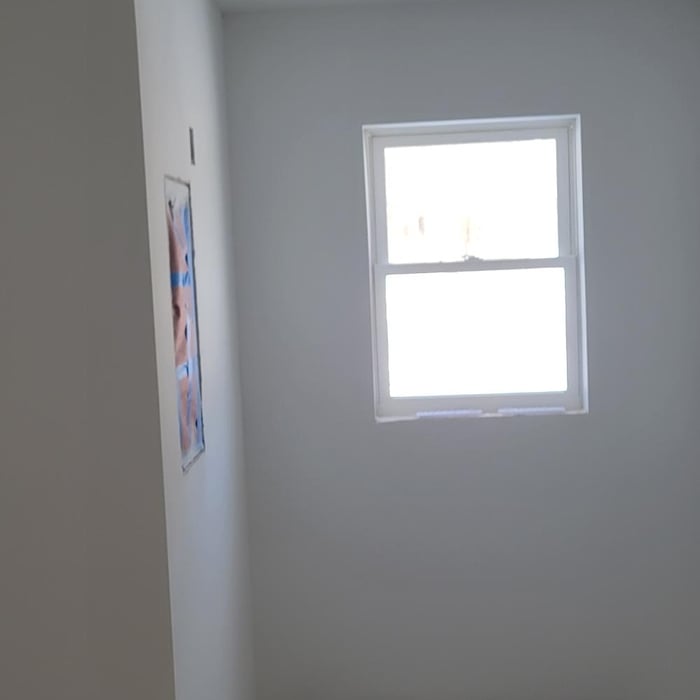
Hi, this is ProTapers! We specialize in high-quality drywall installation and professional taping/finishing. With over 20 years of experience (serving clients since 2003), we take pride in delivering smooth, clean finishes that are ready for paint.\n\nWhether you need new drywall, repairs, or full taping services, we handle jobs of all sizes with attention to detail and reliable turnaround times.\n\n✔ Drywall installation & repair\n✔ Taping, mudding, and finishing\n✔ Smooth, paint-ready results\n✔ Over 20 years of experience\n\nWe’re committed to getting the job done right the first time. Feel free to reach out for a quote or to discuss your project!\n\n— ProTapers

Avatar for OV Development & Construction Group LLC
OV Development & Construction Group LLC
5.0(
1
)
Drywall - InstallDrywall - Repair

Serving Lonedell, MO and surrounding areas

Approved

Free estimates

Emergency services offered

Warranties offered

"Great customer service they arrived on SAID time ON time. They didn't leave until the job was completed. I spotted one small flaw but nothing to complain about other than that they did a great job. They cleaned up behind themselves. I had to disposed of all the trash myself but they did put all the trash in bags and sat them outside nice and neat and it was also in the contract that the customer is responsible for disposal of trash. It was not a surprise. This properly why the cost was reasonably priced. I will use them again."
7 neighbors recently requested a quote
...
Showing 1-10 of 126
Drywall questions, answered by experts

If your home’s foundation shifts slightly over time, any seams in the drywall represent the weakest point in the wall, leading to cracks. If your home has significant changes in temperature and humidity, this can cause the drywall to swell and contract slightly, causing a crack at the weak point of the seam. If your drywall installer did a poor job securing the panels to the wall studs, this could cause a weak layout and cracks in the seams.

Although they have similar applications, spackle and joint compound are not the same. Their primary differences lie in their composition, consistency, and ideal use cases.

Spackle is composed of gypsum and binding agents, making it thicker than joint compound. It dries quickly and is easy to sand, which makes it ideal for small wall repair projects like filling nail holes or patching minor damage.

Joint compound, also known as drywall mud, consists of limestone and gypsum. It is primarily used for large-scale projects, such as taping and finishing the seams on newly installed drywall. It tends to shrink more than spackle and can be more difficult to spread.

While both products can be used to fill small depressions and cracks, spackle cannot replace joint compound for taping and mudding new drywall. Conversely, you can often use joint compound for small patching jobs typically done with spackle.

You should always hang drywall from the top down. Starting at the top makes it easier to create a straight, tight line between the ceiling and the wall. Any gaps that occur will be at the bottom, where they are easier to manage. You can either cut the bottom piece of drywall to fit the remaining space or cover the gap with baseboard trim. Additionally, starting at the top is physically easier, as you won't have to fit the top sheet into a tight space between the lower sheet and the ceiling, or try to balance the upper sheets on the lower ones while securing them.

Whether a drywall anchor can be reused depends on its material, type, and the method of removal. Plastic anchors, including expansion and self-drilling types, are generally designed for single use as they tend to break or deform upon removal. Metal anchors, such as toggle bolts, are more durable and may be reusable if they are not damaged during extraction. However, with toggle bolts, the toggle piece can fall into the wall cavity when the bolt is removed, making it difficult to retrieve. If an anchor is damaged during removal, for instance by having its head cut off, it cannot be reused regardless of the material.

While every home has its own unique needs, ceiling drywall installation typically follows a staggered or stepped pattern to enhance structural integrity and reduce the visibility of seams. Starting from one corner, sheets are placed perpendicular to the ceiling joists, with the ends of adjacent sheets meeting along the center of the joist. The next row begins with a half sheet, ensuring joints don't align vertically. This alternating pattern, combined with proper taping and mudding, creates a seamless appearance and strengthens the ceiling structure, minimizing the risk of cracks over time.

The Lonedell, MO homeowners’ guide to drywall services

From average costs to expert advice, get all the answers you need to get your job done.