


Top-rated electricians.

Get matched with top electricians in Linn Creek, MO

Enter your zip and get matched with up to 5 pros

Need a pro for your electrical service project in Linn Creek, MO?

Select your specific project to find the pro for you.

TRUSTED BY LINN CREEK, MO HOMEOWNERS

  • Average homeowner rating star icon4.6
    Average homeowner rating
  • Verified reviews icon197
    Verified electrical services reviews

Find Electricians in Linn Creek

Avatar for AAA Maintenance and Remodeling, LLC
AAA Maintenance and Remodeling, LLC
5.0(
11
)
Ceiling Fan - InstallCeiling Fan - Repair

Serving Linn Creek, MO and surrounding areas

Approved

Super Service Award Winner

In business since 2025

Free estimates

Offers commercial services

"We?ve worked with Andy at AAA on several projects, and they?ve delivered exceptional results every time. Most recently, they renovated our shower ? what started as a leaky, outdated stall is now a beautiful, fully tiled shower. They resolved the leak issue completely and gave us a space that?s not only functional but a joy to use every day. We also hired them for a full kitchen renovation, and once again, their expertise showed. They installed new cabinetry,countertops, flooring, lights and pulled everything together with care and attention to detail. The process was smooth from start to finish and as you can see in the pictures that during the process they were clean and orderly. They even installed new flooring installed in our RV! What really sets Andy and AAA apart is how trustworthy and reliable they are. They show up when they say they will, communicate clearly, and never cut corners. We?ve come to rely on them for the quality of their work and they will give you peace of mind."
Ozarks
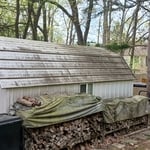
Shed before
Shed after
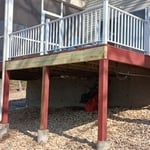
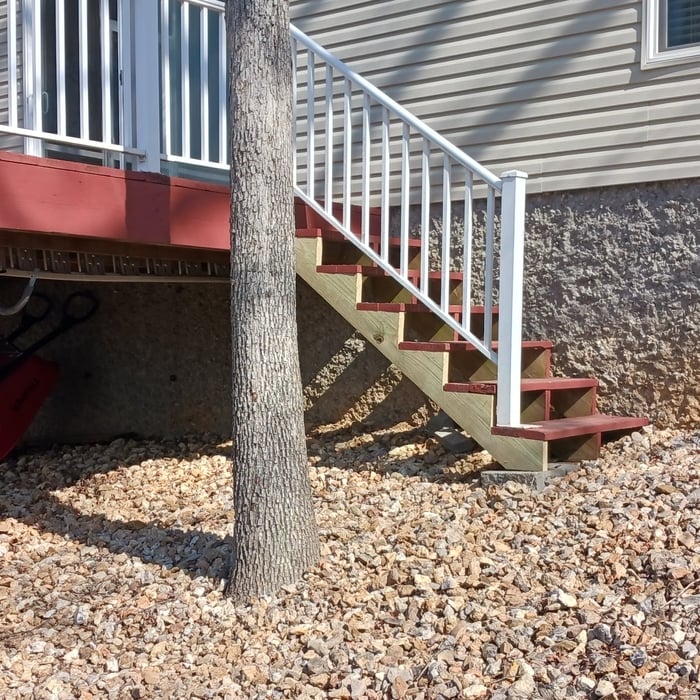
Deck repair
stair stringer

+4

Response time1 day
Response rate92%
3 neighbors recently requested a quote
...
Showing 1-10 of 111
Electrical questions, answered by experts

To fix a tripped light switch, locate your home's electrical panel and identify the tripped circuit breaker. It will be in the "off" or neutral position. Flip the breaker entirely to the "off" position, then switch it back to the "on" position. If the breaker trips again immediately, there may be a short circuit or overload in the system, requiring further investigation. If the switch still doesn't work after resetting the breaker, check for loose wires or faulty components in the switch itself. It is always best to consult a licensed electrician for persistent issues and when in doubt.

The Occupational Safety and Home Administration (OSHA) requires an electrical panel to have a minimum of three feet (36 inches) of room from the front of the panel to the closest obstacle. In this case, the word obstacle refers to nearly everything, including walls, machines, and other fixed objects. Additionally, panels require at least 6½ feet of headroom in the area directly in front of the fixture. These requirements help ensure safe use of the panel and allow electricians plenty of room to work.

Burnt outlets can be caused by things such as faulty wiring, loose connections, or a circuit overload—and yes, they are extremely dangerous. If you notice your outlet is hot or has burn marks, you should shut off the power to it from the circuit breaker and immediately call an electrician.

While most electrical items can be plugged into a GFCI outlet, some appliances with internal or stationary motors, such as refrigerators, vent fans, and fluorescent lighting, can cause nuisance tripping. This happens because they experience a small, normal amount of current leakage, which can cause the GFCI to trip even when the appliance is working correctly. Although this is not a safety hazard, it can be inconvenient and may cause the GFCI outlet to wear out faster. For this reason, it is often better to plug these types of appliances into a standard outlet. Additionally, electrical circuits over 100 feet long can sometimes cause tripping. Some appliances, like hair dryers, have their own built-in GFCI protection, so connecting them to a standard outlet is fine.

Generators are safe to use as long as they are installed and operated correctly according to the manufacturer's recommendations. The most critical safety tips are to never use a portable or fuel-powered generator inside an enclosed space due to the risk of lethal carbon monoxide poisoning; always operate it outdoors where fumes can dissipate away from your home. Additionally, never attempt to connect a generator to your home’s electrical panel yourself—hire a professional to ensure the setup meets safety standards. Finally, avoid overloading the generator by not connecting more appliances than it is rated for, as this can damage your equipment or cause a fire.

The Linn Creek, MO homeowners’ guide to electrical services

From average costs to expert advice, get all the answers you need to get your job done.