




Top-rated insulation pros.

Get matched with top insulation pros in Kirbyville, MO

Enter your zip and get matched with up to 5 pros

Need a pro for your insulation service project in Kirbyville, MO?

Select your specific project to find the pro for you.

Find Insulation pros in Kirbyville

Avatar for Show-Me Energy Solutions LLC
Show-Me Energy Solutions LLC
5.0(
13
)
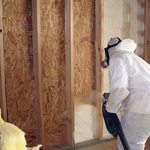
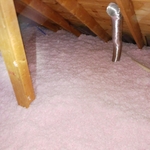
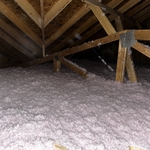
Blown-In Insulation - Install or UpgradeSpray Foam Insulation - Install

Serving Kirbyville, MO and surrounding areas

Approved

In business since 2023

Free estimates

Warranties offered

"Owner is very knowledgeable about this industry! Theyâ ve done a few projects for us now and we will continue to use them in the future. We highly recommend them to anybody looking for quality insulation work and energy solutions."
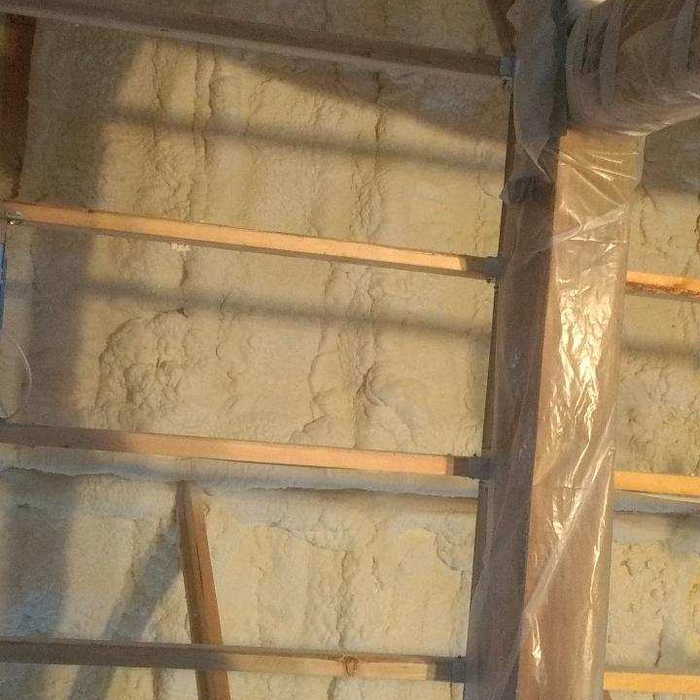
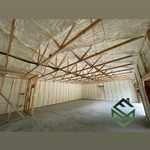
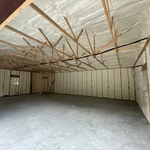
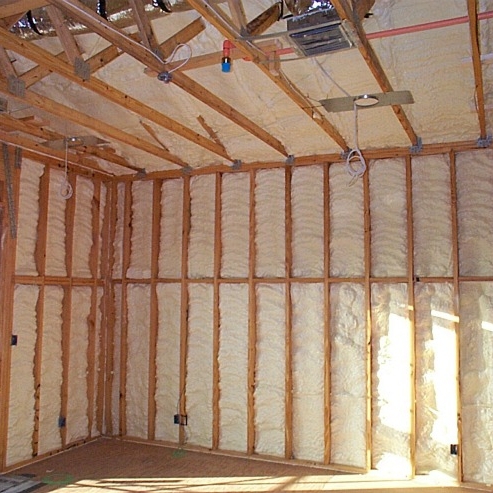
Open cell
Walls  & Roof deck sprayed
Porch
Response time2 days
Response rate90%
32 neighbors recently requested a quote
Avatar for Chief Restoration Services, LLC
Chief Restoration Services, LLC
4.3(
7
)
Blown-In Insulation - Install or Upgrade

Serving Kirbyville, MO and surrounding areas

Approved

In business since 2000

Free estimates

Emergency services offered

"They were a little late, but called and told me they were running late. They seemed to know what they were doing and were helpful with taklng pictures of mold and showing me where it needed treatment. I have not hired them yet as I have not received a quote yet. IL am waiting for another company to come and give me a quote."
Fire Damage
Response time10 hrs
21 neighbors recently requested a quote
Recommended by16%of homeowners
Showing 1-10 of 29
Insulation questions, answered by experts

The thickness of floor insulation will depend on the R-value you plan to achieve. R-value varies on the type of material as well as its thickness and density. Insulation materials with low R-values can be layered to match the value of denser materials. As long as your floor insulation is packed tightly, seals the area from drafts, and doesn’t prevent ventilation, it can be as thick (or thin) as you need.

Bubble wrap is better for moving since it can be cut to size, whereas dish foam comes in precut sheets that are harder to manipulate. However, if you’re packing items like dishes, wine glasses, picture frames, or mirrors, dish foam will protect them better. Ensure you measure your box beforehand so you know what size dish foam to purchase. 

On average, insulating an attic costs about $2,500, with a typical range of $1,500 to $3,500. The final price often depends on the attic's size, with costs generally falling between $1 to $3 per square foot. For example, insulating a 1,800-square-foot attic would likely cost between $1,800 and $5,400.

If the project involves removing old insulation, this can add an average of $900 to the total cost, bringing a full removal and reinsulation project to around $3,000.

Several factors influence the overall cost:

  • Insulation Type: Prices per square foot vary significantly by material.

  • Reflective: $0.50–$1.50

  • Blown-in: $1–$4

  • Batt: $2–$4

  • Loose-fill: $2–$5

  • Spray foam: $2–$5

  • Structural insulated panels (SIPs): $4–$7

  • Project Complexity: Factors like sealing air leaks, poor attic accessibility, and required inspections can add to the cost.

  • Removal Issues: The discovery of mold, asbestos, or pests during the removal of old insulation can substantially increase the price.

Unfortunately, pipes can freeze when exposed to prolonged freezing temperatures, whether or not you have installed insulation covers. Insulation covers, however, are still an excellent idea as they can reduce the chance of your pipe freezing by keeping the pipes closer to the temperature of the water inside the pipe.

The R-value is a rating that measures an insulation's thermal resistance—in other words, how well it insulates. A higher R-value provides more protection for your pipes, and all pipe insulation materials should have an R-value listed on the product description or label. Each insulation type has its own R-value, which typically falls between one and five for most pipe insulation. When making a selection, Energy.gov recommends choosing a pipe wrap that is at least one inch thick, and the International Code Council (ICC) suggests choosing a material with an R-value of at least 3.

The Kirbyville, MO homeowners’ guide to insulation services

From average costs to expert advice, get all the answers you need to get your job done.