

Top-rated arborists.

Get matched with top arborists in Hollister, MO

Enter your zip and get matched with up to 5 pros

Need a pro for your arboricultural service project in Hollister, MO?

Select your specific project to find the pro for you.

TRUSTED BY HOLLISTER, MO HOMEOWNERS

  • Average homeowner rating star icon4.3
    Average homeowner rating
  • Verified reviews icon221
    Verified arboricultural services reviews

Find Arborists in Hollister

Avatar for Sam Rantz's Stump Grinding
Sam Rantz's Stump Grinding
4.9(
80
)
Tree Stump - RemoveTree Stump - Remove - For Business

Serving Hollister, MO and surrounding areas

Approved

Super Service Award Winner

In business since 2018

Free estimates

Customers say: Quick response

"Sam did a great job and was very fast! He took the stumps down far enough so top soil can be added back. I highly recommend his service to anyone looking to get rid of stumps the right way for a fair price!"
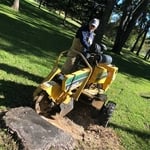
Tree stump removal
32" tree stump removal
Response time4 hrs
Response rate89%
12 neighbors recently requested a quote
Avatar for Pace Tree Service
Pace Tree Service
4.9(
9
)
Tree RemovalTree Trimming

Serving Hollister, MO and surrounding areas

Approved

In business since 2005

Free estimates

Credit card accepted

"William and his crew were on time, courteous, and a joy to do business with. I would highly recommend them . They did exactly what we wanted at the best rate in town. Dr. Gary Smith"
Response time1 day
8 neighbors recently requested a quote
Recommended by100%of homeowners
Avatar for Westfallin' Trees
Westfallin' Trees
5.0(
1
)
Tree RemovalTree TrimmingTree Removal - For Business+3 more

Serving Hollister, MO and surrounding areas

Approved

Free estimates

Credit card accepted

Offers commercial services

We have a single mission: Complete Customer Satisfaction! We have consistently focused on the needs of our customers, providing personalized attention and a stress-free experience.\nYou will find us to be competitively priced with close attention to the details.\nOur reputation is based on service, safety, and quality, regardless of how large or small the job.\nWe look forward to building a lasting relationship and guarantee your satisfaction!\n

Removal
5 neighbors recently requested a quote
...
Showing 1-10 of 98
Arborists questions, answered by experts

In the case that a tree is growing directly on your property line, the cost of maintaining the tree is shared and is the property of both owners in common. In this case, all decisions regarding the maintenance of the tree must be made jointly, and both parties must agree on a course of action. You will need to agree with your neighbor about the cutting of any roots before you carry it out, and your neighbor must also consult with you before doing any trimming. Coming to an agreement with your neighbor about any shared trees ahead of necessary trimming and maintenance will make this process much simpler.

If you’re wondering whether you can plant a tree where the stump was removed, know that the soil conditions won’t be ideal, so you should avoid it. The soil beneath the previous tree will likely be depleted of nutrients, plus there may be roots left behind that will seriously hinder the growth of a new tree. Also, if you use salt or other chemical solutions to kill the stump, these can linger in the soil for months or even years and prevent healthy growth. It’s best to choose a different spot that’s at least three feet away for a new tree, or wait at least a year and thoroughly amend the soil before you plant.

Your local government is usually in charge of pruning trees on public property, and the power company is responsible for trees near power lines (even if they’re on your property). Whether or not they top these trees depends on their approach to pruning. You won’t be able to do much to control this, but you can contact them to find out more about their pruning process.

As a general rule, the protected area should be about 1½ times as wide as the canopy of the tree’s leaves. This digging measurement can vary by tree species and the age of the tree. Of course, that can be a lot of fencing for larger trees, which is why our first step is about making difficult decisions on which trees to save.

When a palm tree no longer produces new fronds and old fronds start turning yellow-brown, that’s a sign the tree is dying. However, transplanted palm trees can show these signs for the first several months as they re-establish themselves. It’s best to keep watering and not give up on the palm tree until a couple of seasons have passed and you’re sure it’s not coming back to life.

The Hollister, MO homeowners’ guide to arboricultural services

From average costs to expert advice, get all the answers you need to get your job done.