







Top-rated arborists.

Get matched with top arborists in Caruthersville, MO

Enter your zip and get matched with up to 5 pros

Need a pro for your arboricultural service project in Caruthersville, MO?

Select your specific project to find the pro for you.

Find Arborists in Caruthersville

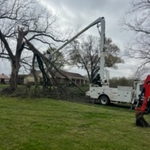
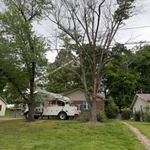
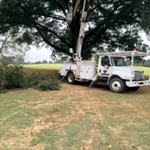
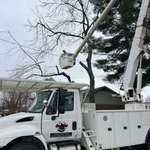
Winchester Farm Tree Removal + More
New to Angi
Tree RemovalTree Stump - RemoveTree Trimming

Serving Caruthersville, MO and surrounding areas

Approved

Hi! I own a small farm in north west TN and own a mini excavator, small dozer, 2 tractors with implements, a big dump trailer, and a bucket truck. I do tree removal, stump grinding, excavation, demolition and storm clean up, land clean up, dirt and gravel delivery, gravel drive way repair, culvert installation, and more! Free Estimates! Thanks and God bless!

Avatar for Riley's Tree Removal
Riley's Tree Removal
5.0(
1
)
Tree RemovalTree Stump - RemoveTree Trimming+1 more

Serving Caruthersville, MO and surrounding areas

In business since 2023

Free estimates

Credit card accepted

We take great pride in our experience, expertise, quality, and customer service that we provide to meet the consumer’s needs. It is our mission to provide excellent workmanship and complete customer satisfaction from start to completion of a project. In order to understand the needs and expectations of our customers, we take great care to work and communicate with every customer in a professional manner. Our reputation is based on service, safety, and quality, regardless of how large or small the job.\n

Response time3 days
Showing 1-10 of 36
Arborists questions, answered by experts

The recovery time for pruning depends on how much you prune, the species of tree, and how well you care for it afterward. All trees grow new wood and often sprout additional branches after pruning. Ideally, trees should recover from normal pruning after one or two years. Heavy pruning or slow-growing trees may take several years to fully recover.

For safety reasons, leaning trees are best removed by a professional, as they may often tear away from the hinge, causing you to lose control over where the tree falls. If you choose to cut down a tree leaning slightly, avoid cutting off root protrusions before you start. Make your hinge a little longer than usual by cutting it deeper (up to 30% of the diameter) and applying a wedge into the felling cut on the side the tree is leaning. Stand away from the direction the tree leans while making your felling cut.

Make sure the tree roots soak around a day before you dig the tree up for the transplant. Keep the roots wet while the tree is above ground. After the transplant is finished, provide consistent water every day for the first month or so. You don’t want to overwater the tree, but you do want to keep the roots wet so they can thrive in their new environment.

The depth of tree roots depends on the species. Trees like oaks and maples can have root systems that grow down 20 feet or more. However, trees that grow in shallow soils will have roots that go only a few feet down. Research how your tree species grows in your climate area to estimate root depth.

Pruning is an effective way to prevent a diseased branch from infecting the rest of the tree. If the infection isn’t caught early enough and the pathogen has spread to the trunk or the majority of the branches though, it is too late to prune off the affected areas and you’ll likely need to remove the tree.

The Caruthersville, MO homeowners’ guide to arboricultural services

From average costs to expert advice, get all the answers you need to get your job done.