





Top-rated arborists.

Best arborists near Harrisburg, MO

Enter your zip and get matched with up to 5 pros

Need a pro for your arboricultural service project in Harrisburg, MO?

Select your specific project to find the pro for you.

TRUSTED BY HARRISBURG, MO HOMEOWNERS

  • Average homeowner rating star icon4.5
    Average homeowner rating
  • Verified reviews icon246
    Verified arboricultural services reviews

Top-Rated Arborists in Harrisburg - Updated Nov 2026

Avatar for Top Quality Landscaping, LLC
Top Quality Landscaping, LLC
3.7(
35
)
Tree TrimmingTree RemovalTree Trimming - For Business

Serving Harrisburg, MO and surrounding areas

Approved

In business since 2012

Free estimates

Emergency services offered

"I'd hired 3 different people to take care of my tree, but noone ever showed up to do the job. With a snow storm coming I was desperate to get it done to prevent damage to my home. I called this company at 10 am the day of the storm. The tree was done by noon. Courteous and excellent service. I'd recommend them to anyone who asks."
Maple Tree Removal in Moberly, MO.
Maple Trimming
Storm Damage
Oak Removal
Response time1 day
Response rate85%
15 neighbors recently requested a quote

Arbor Tech Tree Service and Landscape Co 5732899127 - Poetna stranica Facebook
3.9(
10
)
Tree RemovalTree Removal - For BusinessTree Stump - Remove+3 more

Serving Harrisburg, MO and surrounding areas

In business since 2013

Free estimates

Emergency services offered

"They cut four trees for us very professional and when they were done you couldn't even tell that trees were here except for the stumps. Exceptional job, exceptional workers. Thank you"
Response time2 days
Response rate90%
Recommended by87%of homeowners
Avatar for Economy Tree Trimming, LLC
Economy Tree Trimming, LLC
4.5(
48
)
Tree RemovalTree Removal - For BusinessTree Stump - Remove - For Business+2 more

Serving Harrisburg, MO and surrounding areas

In business since 2016

Free estimates

Emergency services offered

"They removed 3 very large trees one was completely rotted out in the center. These trees were very close to my garage and the neighbors privacy fence. They was able to bring the trees down safely with no property damage. They also took down 4 smaller trees. The stumps were ground then dirt brought in, ground leveled, and grass planted. My yard is completely transformed. Great company great crew. Professional service."
Hallsville
Columbia mo
Another pic of hauling
Ryan Fogle trimming
Oak removal

+26

Response time1 day
Recommended by92%of homeowners
...
Showing 1-10 of 63
Arborists FAQs, answered by experts

Since overwatering can harm mature trees just as much as a lack of water, it’s important to know the signs of an overwatered tree. If your tree’s leaves are yellowing, wilting, or dropping leaves, it’s likely that you’re overwatering. Other common signs include rotting, fungi, soggy soil, soft or peeling bark, falling leaves, and brittle roots. 

If you realize that you’ve been overwatering your mature tree, stop watering and give the soil time to dry out. Then moving forward, increase time between watering sessions. 

Aim to have your trees inspected and pruned in early spring. At this point in the year, tree service professionals can note where there is old growth from winter and cut that back to encourage new growth for the rest of the year. Pruning at the wrong time of the year could make your trees prone to diseases.
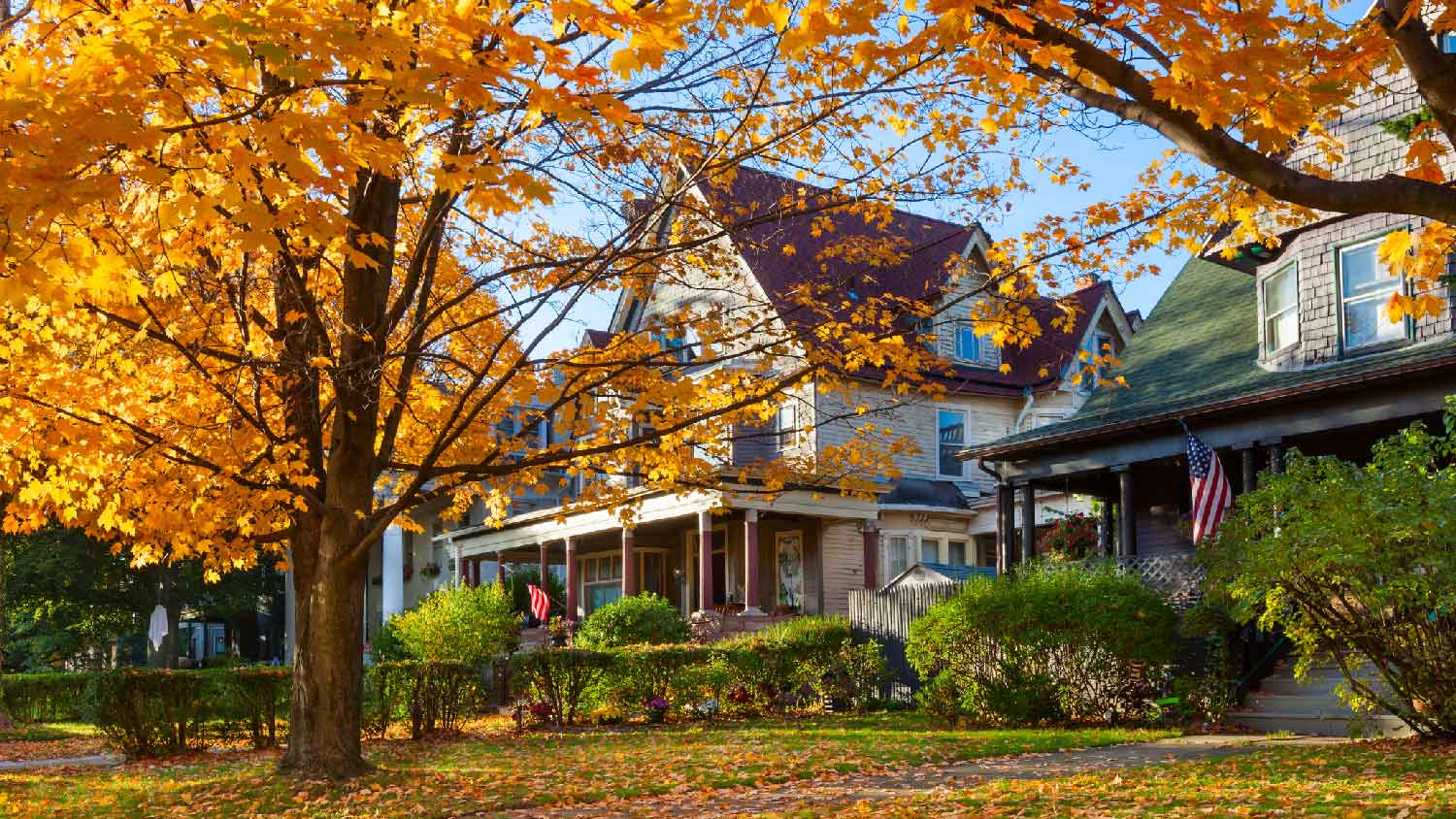
In most cases, your neighbor is responsible for roots from their tree that cause damage to your property. If your pavement, the foundation of your home, or a fence is damaged by roots from a neighbor’s tree, you likely will have legal recourse for financial relief. While it’s better to notify your neighbor of any problems you notice as soon as they arise to avoid costly damage, there are some instances where filing a civil suit is your only recourse. Your homeowner’s insurance company might wish to do so on your behalf if you file a claim.

The best time to transplant a tree is when it is dormant. For many trees, this means either in the fall after the leaves have dropped (around October or November) or in early spring before new growth begins (around March). The ideal timing can depend on the type of tree. Deciduous trees do well when moved in early spring or fall, while evergreens are best transplanted in early spring or late summer. For example, pine trees are best moved in early fall, but maples prefer late fall. Avoid transplanting in winter, as the frozen or hard, cold soil poses a significant risk to the roots and prevents the tree from acclimating properly.
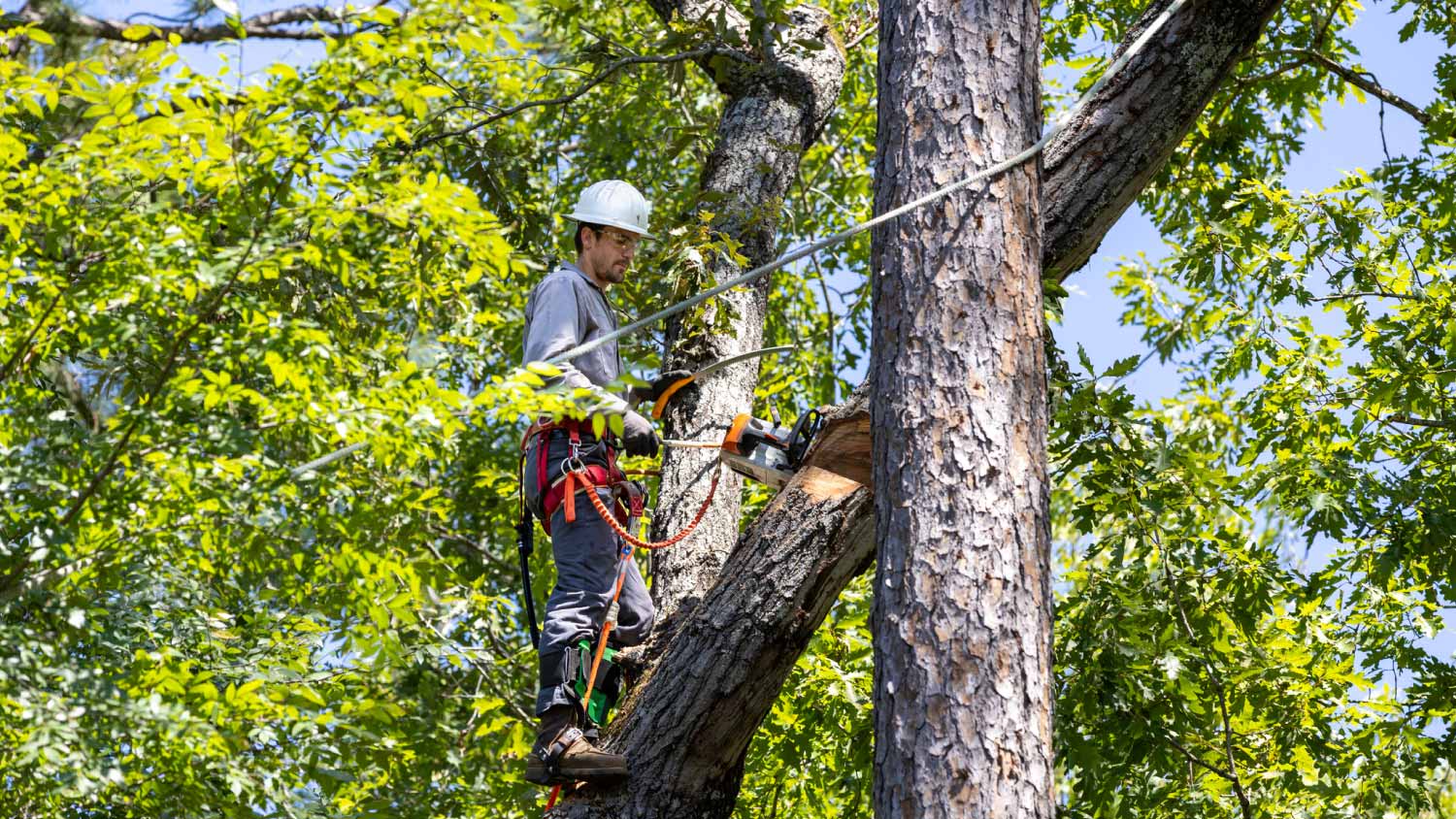
All of the tree root removal methods mentioned above are effective on any kind of root, whether it’s still growing or simply needs a gentle nudge to finish decomposing. The only difference is that larger roots tend to be harder to remove and may require multiple chemical treatments as well as manual labor to eradicate.

The Harrisburg, MO homeowners’ guide to arboricultural services

From average costs to expert advice, get all the answers you need to get your job done.