

Top-rated plant watering pros.

Get matched with top plant watering pros in Fulton, MO

Enter your zip and get matched with up to 5 pros

Need a pro for your plant watering project in Fulton, MO?

Select your specific project to find the pro for you.

TRUSTED BY FULTON, MO HOMEOWNERS

  • Average homeowner rating star icon4.5
    Average homeowner rating
  • Verified reviews icon20
    Verified plant watering services reviews

Find Plant watering pros in Fulton

Avatar for S&L Lawncare
S&L Lawncare
5.0(
2
)
Lawn Care - Maintain and Mow a Lawn

Serving Fulton, MO and surrounding areas

Approved

In business since 2014

Free estimates

Small jobs welcome

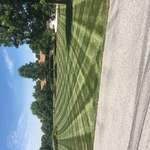
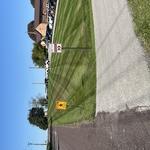
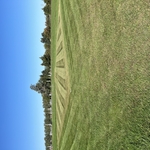
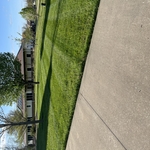
With over 10 years of experience, S&L Lawncare is committed to excellence in every aspect of our business. We uphold a standard of integrity bound by fairness, honesty, and personal responsibility. Our distinction is the quality of service we bring to our customers. Accurate knowledge of our trade combined with ability is what makes us true professionals. Above all, we are watchful of our customers' interests and make their concerns the basis of our business. Call us today! \n

Lawn Care
Lawn Care
Lawn Care
Lawn Care
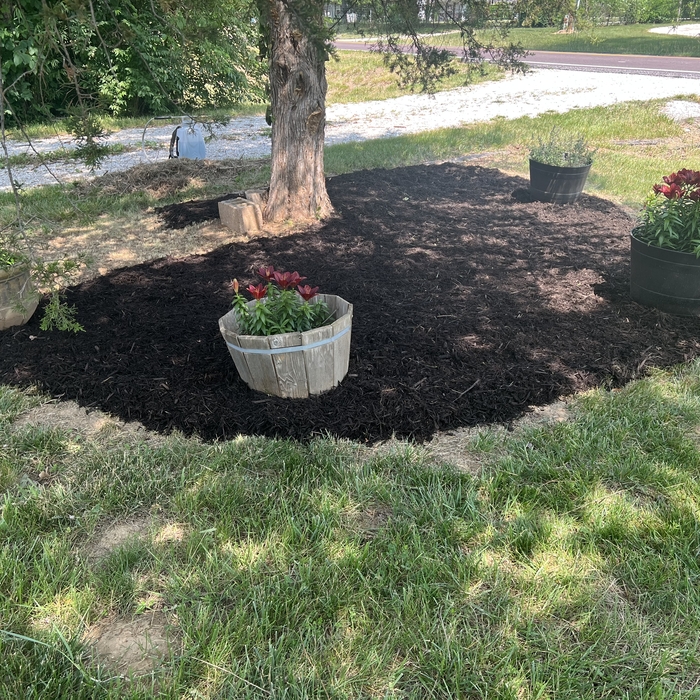
Mulch

+10

Response time1 day
Recommended by100%of homeowners

Real Steele Lawn Care, LLC
New to Angi
Lawn Care - Maintain and Mow a Lawn

Serving Fulton, MO and surrounding areas

Approved

In business since 2021

Free estimates

Offers commercial services

We take great pride in our experience, expertise, quality, and customer service that we provide to meet the consumer's needs. It is our mission to provide excellent workmanship and complete customer satisfaction from start to completion of a project. In order to understand the needs and expectations of our customers, we take great care to work and communicate with every customer in a professional manner. Our reputation is based on service, safety, and quality, regardless of how large or small the job.

Response time3 days
...
Showing 1-10 of 56
Plant Watering questions, answered by experts

Yes, applying a texture can hide minor imperfections and irregularities in drywall, but it will not cover significant damage like nail marks or screw holes. The best texture depends on the size of the flaws. For minor imperfections, popular choices like orange peel, sand, or popcorn texture are effective. For larger imperfections, you may need a more prominent style, such as a knockdown or trowel finish, to conceal them effectively.

The amount of drywall you need for a 1,000-square-foot basement depends on the ceiling height, angles, number of doors and windows, and more. To find the wall square footage, multiply the width and height of each wall, minus any gaps from windows or doors, and add the totals together. You’ll also need enough drywood nails or screws to install the drywall correctly.

Yes, it is possible to rewire a house without removing the drywall, but this doesn’t work in all homes. You can pull out old wires and insert new ones if you have access to the wiring system via the ceiling or through a crawl space. Some pros can also use a magnetic kit to fish the old wire out of the wall through a hole cavity and install the new wires. Just keep in mind that doing this is less stable than removing drywall, as you won’t be able to staple the wires into the framing.

Which style of corner bead you choose—whether metal or paper-faced—depends on your preference and if you’re comfortable using metal-cutting tools and a hammer. Metal bead offers superior strength and durability but its installation is slightly more involved. We’d say for most cases, it’s better to use metal bead but if you’re not comfortable working with metal, paper-faced bead will work just fine. 

The two most common drywall thicknesses for ceilings are 1/2-inch and 5/8-inch. For most standard residential applications, 1/2-inch drywall is sufficient and widely used. It provides adequate support and is lighter and easier to handle during installation compared to thicker sheets. However, 5/8-inch drywall is often used for specific cases where additional benefits are needed. It is heavier but provides superior sound dampening and fire resistance. You should consider using 5/8-inch drywall for ceilings in commercial buildings, between a garage and a living space, or above a finished basement to meet building codes or for enhanced soundproofing.

The Fulton, MO homeowners’ guide to plant watering services

From average costs to expert advice, get all the answers you need to get your job done.