






Top-rated plaster repair specialists.

Get matched with top plaster repair specialists in Drexel, MO

Enter your zip and get matched with up to 5 pros

Need a pro for your plaster repair project in Drexel, MO?

Select your specific project to find the pro for you.

Find Plaster repair specialists in Drexel

Avatar for H&M Services
H&M Services
2.6(
18
)
Plaster - InstallPlaster - Repair

Serving Drexel, MO and surrounding areas

Approved

In business since 1989

Free estimates

Emergency services offered

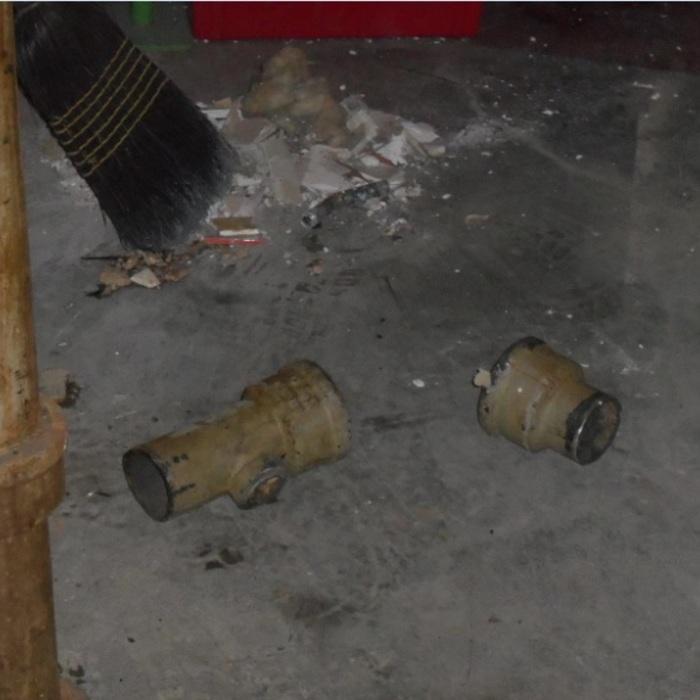
"He contacted me very promptly and came to look at the project. He explained to me what the problem was and stated he did not have the proper special equipment to make the repair. He recommended a company that he felt sure would be able to do the work."
cannon project
cannon project
cannon project
cannon project
cannon project

+29

Response time2 days
Recommended by83%of homeowners
Showing 1-10 of 25
Plaster Repair questions, answered by experts

This depends on how much plaster is applied and in how many layers, but a decent estimate is around 150 square feet. If you are applying only two coats on a small wall, there is a chance you may only need one or two gallons for the entire project. If you are plastering a large living room wall with high ceilings, using one of the more involved techniques–like Scagliola–that requires several coats, expect the project materials costs to add up quickly. 

Common causes of ceiling cracks along drywall seams include poor drywall installation techniques, structural issues, truss uplift, and foundation problems. Temperature and humidity also play major roles in ceiling cracks flush with the wall. As the drywall shrinks and expands from major temperature changes or extreme humidity shifts, this can cause the drywall to crack.

The tool you use to sand plaster will depend on the size of the project. If you’re just working on a small section of your wall to get rid of an uneven spot on the surface, hand-sanding might work. However, for larger projects, a drywall sander can make a huge difference when it comes to both time and elbow grease—and an orbital sander can help for detailed areas such as around ceiling fans.

While it is possible to repair minor plaster cracks or holes yourself, it is generally not recommended for larger jobs or if you want a professional result. Plaster repair can be difficult in practice; proper wall preparation and achieving a smooth, seamless finish that blends with the existing wall requires experience, especially on textured surfaces. Hiring a professional ensures the repair will be durable and last longer, potentially saving you money over time. A pro can also determine if the cracks are from normal expansion or a more serious underlying issue.

Although they have similar applications, spackle and joint compound are not the same. Their primary differences lie in their composition, consistency, and ideal use cases.

Spackle is composed of gypsum and binding agents, making it thicker than joint compound. It dries quickly and is easy to sand, which makes it ideal for small wall repair projects like filling nail holes or patching minor damage.

Joint compound, also known as drywall mud, consists of limestone and gypsum. It is primarily used for large-scale projects, such as taping and finishing the seams on newly installed drywall. It tends to shrink more than spackle and can be more difficult to spread.

While both products can be used to fill small depressions and cracks, spackle cannot replace joint compound for taping and mudding new drywall. Conversely, you can often use joint compound for small patching jobs typically done with spackle.

The Drexel, MO homeowners’ guide to plaster repairs

From average costs to expert advice, get all the answers you need to get your job done.