




Top-rated plaster repair specialists.

Best plaster repair specialists near Peculiar, MO

Enter your zip and get matched with up to 5 pros

Need a pro for your plaster repair project in Peculiar, MO?

Select your specific project to find the pro for you.

TRUSTED BY PECULIAR, MO HOMEOWNERS

  • Average homeowner rating star icon4.3
    Average homeowner rating
  • Verified reviews icon99
    Verified plaster repairs reviews

Top-Rated Plaster repair specialists in Peculiar - Updated Nov 2026

Avatar for H&M Services
H&M Services
2.6(
18
)
Plaster - InstallPlaster - Repair

Serving Peculiar, MO and surrounding areas

Approved

In business since 1989

Free estimates

Emergency services offered

"He contacted me very promptly and came to look at the project. He explained to me what the problem was and stated he did not have the proper special equipment to make the repair. He recommended a company that he felt sure would be able to do the work."
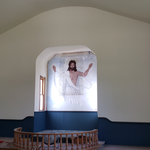
cannon project
cannon project
cannon project
cannon project
cannon project

+29

Response time2 days
Recommended by83%of homeowners

Avatar for Continental Siding Supply
Continental Siding Supply
4.8(
605
)
Plaster - InstallPlaster - Install - For BusinessPlaster - Repair+1 more

Serving Peculiar, MO and surrounding areas

In business since 1982

Free estimates

Emergency services offered

"Needed to replace and repair lots of rotten wood, and peeling paint on the house. looked at several options, and Continental worked hard to earn my business. They made a great sell, and provided financing that worked within my budget. It may have taken a while to get the actual work started (due in part to the COVID pandemic slowing everything down) but they called me every two weeks with an update on my position in line. The house looks fantastic, and I never need to worry about rotten siding again. Would highly recommend."
Before and After
Classic Meets Modern Farmhouse

+28

Recommended by97%of homeowners
Showing 1-10 of 49
Plaster Repair FAQs, answered by experts

Yes, you can apply new plaster over an existing plaster surface, such as a wall or ceiling, provided the old plaster is in good condition. Before you begin, check the stability of the existing plaster. The surface must be clean, free of loose material, and have no peeling paint. It is also recommended to roughen the surface slightly to promote adhesion. For older plaster, applying a base coat like a PVA emulsion or a specific bonding agent or primer is crucial. This step makes the existing plaster less porous and ensures the new and old layers adhere properly for a smooth, long-lasting finish.

It’s not a good idea to plaster over broken plaster (unless by broken you’re referring to cracked, in which case that’s perfectly fine). However, broken plaster can be a sign of a larger underlying issue like foundation damage or severe damage to the lath holding up the plaster, so it’s worth investigating before you simply plaster on top of the damage.

Depending on how much adhesive was used as well as the strength of the adhesive, you may have some drywall damage when removing a mirror. You can typically repair most drywall damage if it’s small by sanding the damaged area, applying spackle to smooth the damaged section so it’s flush with the rest of the wall, and repainting the area.

Although they have similar applications, spackle and joint compound are not the same. Their primary differences lie in their composition, consistency, and ideal use cases.

Spackle is composed of gypsum and binding agents, making it thicker than joint compound. It dries quickly and is easy to sand, which makes it ideal for small wall repair projects like filling nail holes or patching minor damage.

Joint compound, also known as drywall mud, consists of limestone and gypsum. It is primarily used for large-scale projects, such as taping and finishing the seams on newly installed drywall. It tends to shrink more than spackle and can be more difficult to spread.

While both products can be used to fill small depressions and cracks, spackle cannot replace joint compound for taping and mudding new drywall. Conversely, you can often use joint compound for small patching jobs typically done with spackle.

You’ll want to inspect your plaster walls for signs of damage before painting. If you notice soft spots, deep cracks, bubbling, or areas where the plaster is crumbling or pulling away from the wall, it likely needs repair. While small hairline cracks are common and likely cosmetic, you should address larger issues before painting to ensure a quality, smooth finish.

The Peculiar, MO homeowners’ guide to plaster repairs

From average costs to expert advice, get all the answers you need to get your job done.