

Top-rated snow removal pros.

Get matched with top snow removal pros in Branson, MO

Enter your zip and get matched with up to 5 pros

Need a pro for your snow removal project in Branson, MO?

Select your specific project to find the pro for you.

Find Snow removal pros in Branson

Avatar for Clover's Lawn and Landscaping
Clover's Lawn and Landscaping
5.0(
4
)
Snow RemovalSnow Removal- For Business

Serving Branson, MO and surrounding areas

In business since 2005

Free estimates

Emergency services offered

"Clover lawn called me within 24 hours of the request. They communicated regularly with me, gave me a very reasonable estimate and stayed in touch. The job was completed above and beyond expectations, they even did a final mow after the leaves were removed - even though it wasn't part of the original estimate, without an additional charge. The yard, flower beds and driveway were immaculate. Will use again, they are excellent and very nice people."
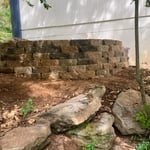
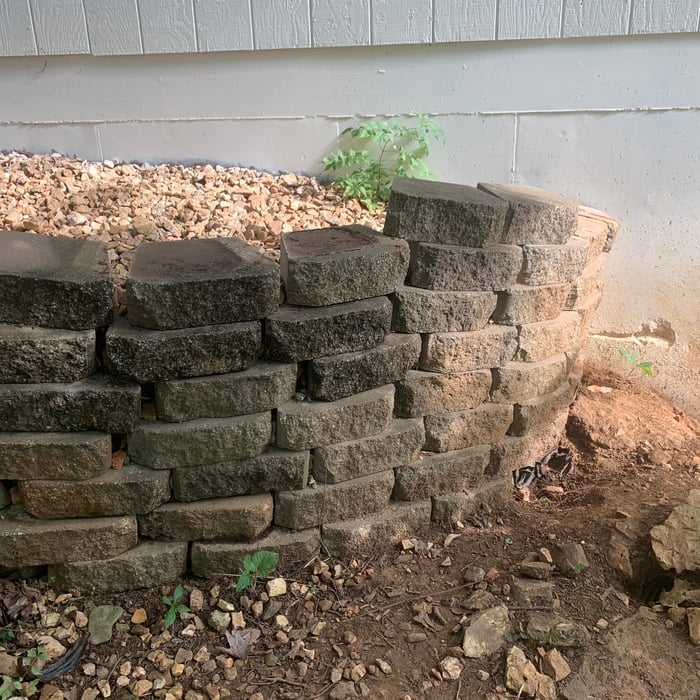
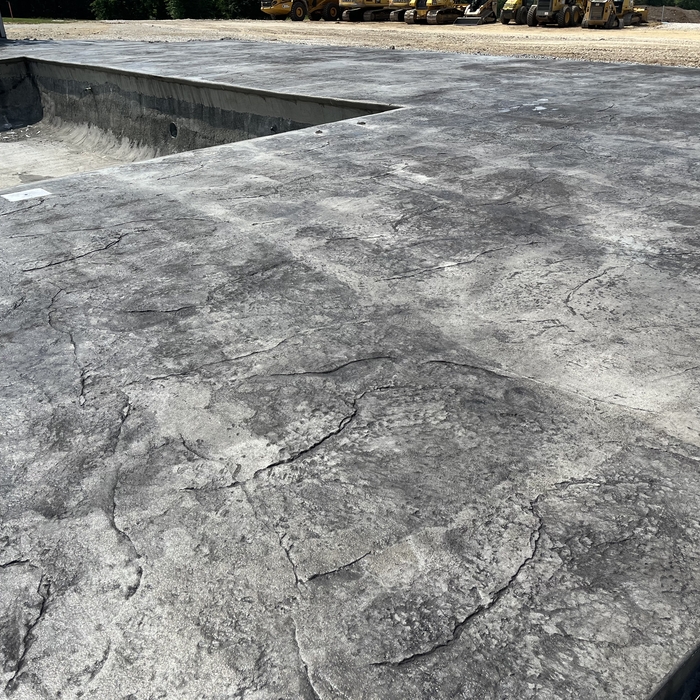
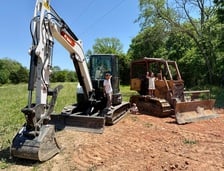
START RETAINNING WALL
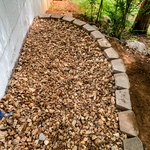
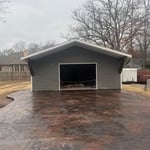
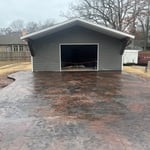
 FINISHED DRIVEWAY
 6 inches of leaves
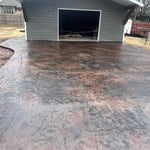
LOWER LEVEL DRIVEWAY
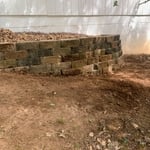
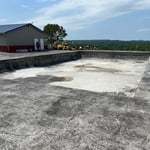
 STARTING AFTER DIGGING

+11

Recommended by100%of homeowners
Showing 1-10 of 32
Snow Removal questions, answered by experts

Roof raking helps clear snowfall from your roof and, in turn, you hope that this prevents ice dams. But can roof raking actually cause them? Generally, no, it cannot. But you should note that while, in some cases, you might successfully prevent ice dams from forming near the edge of your roof by keeping it cleared with a roof rake, they could still form higher up on the roof, where you are unable to reach. This may leave you wondering: Does roof raking prevent ice dams? While it is not a 100% guaranteed way to prevent them, it does help.

Be careful when choosing a product to help you remove ice from your wood deck. Never use sand, gravel, or salt, since these items can damage and scratch the wood. Instead, look for chemical de-icers that are marked as safe for wood decks or use hot water to melt snow and ice.

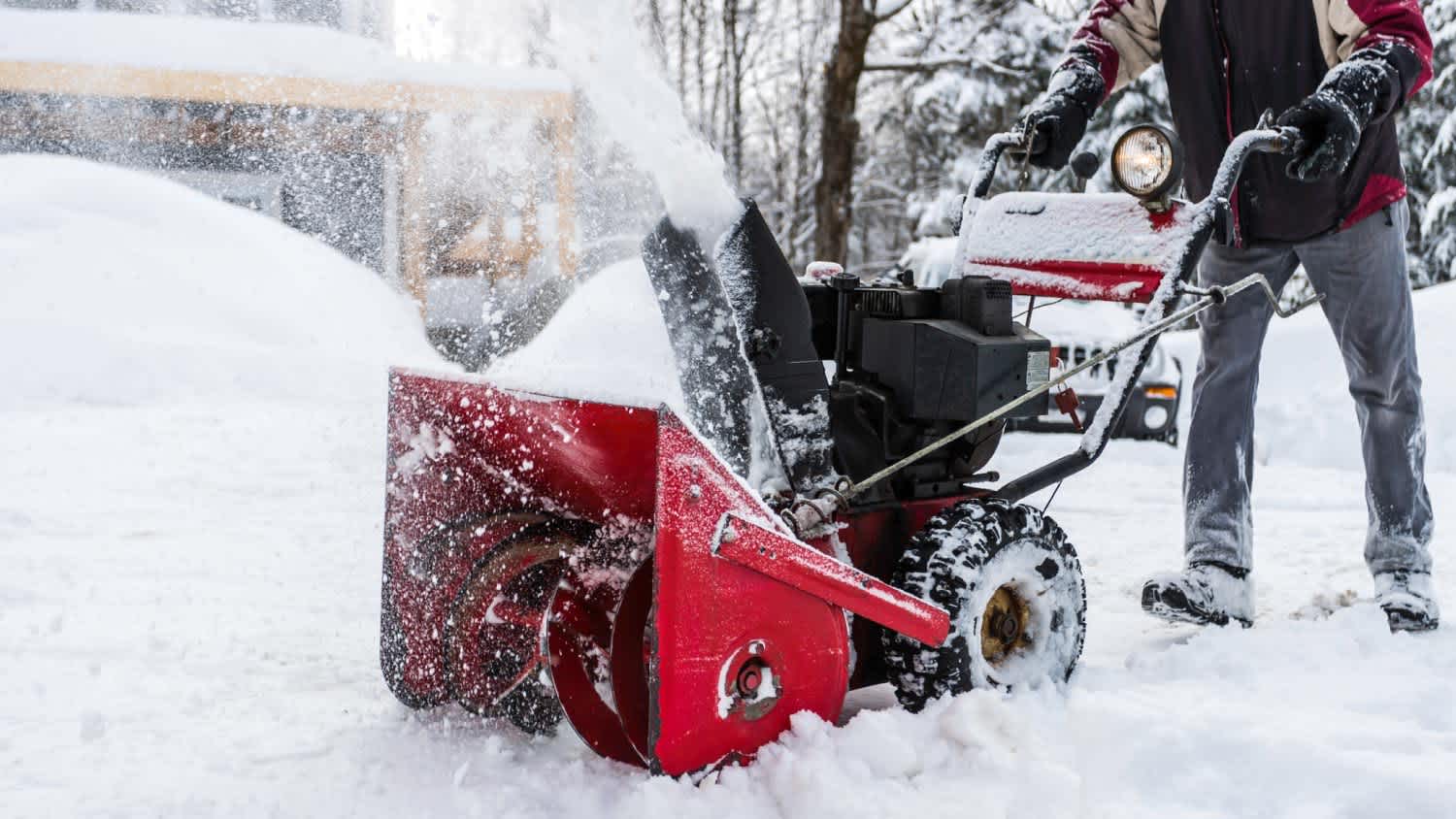
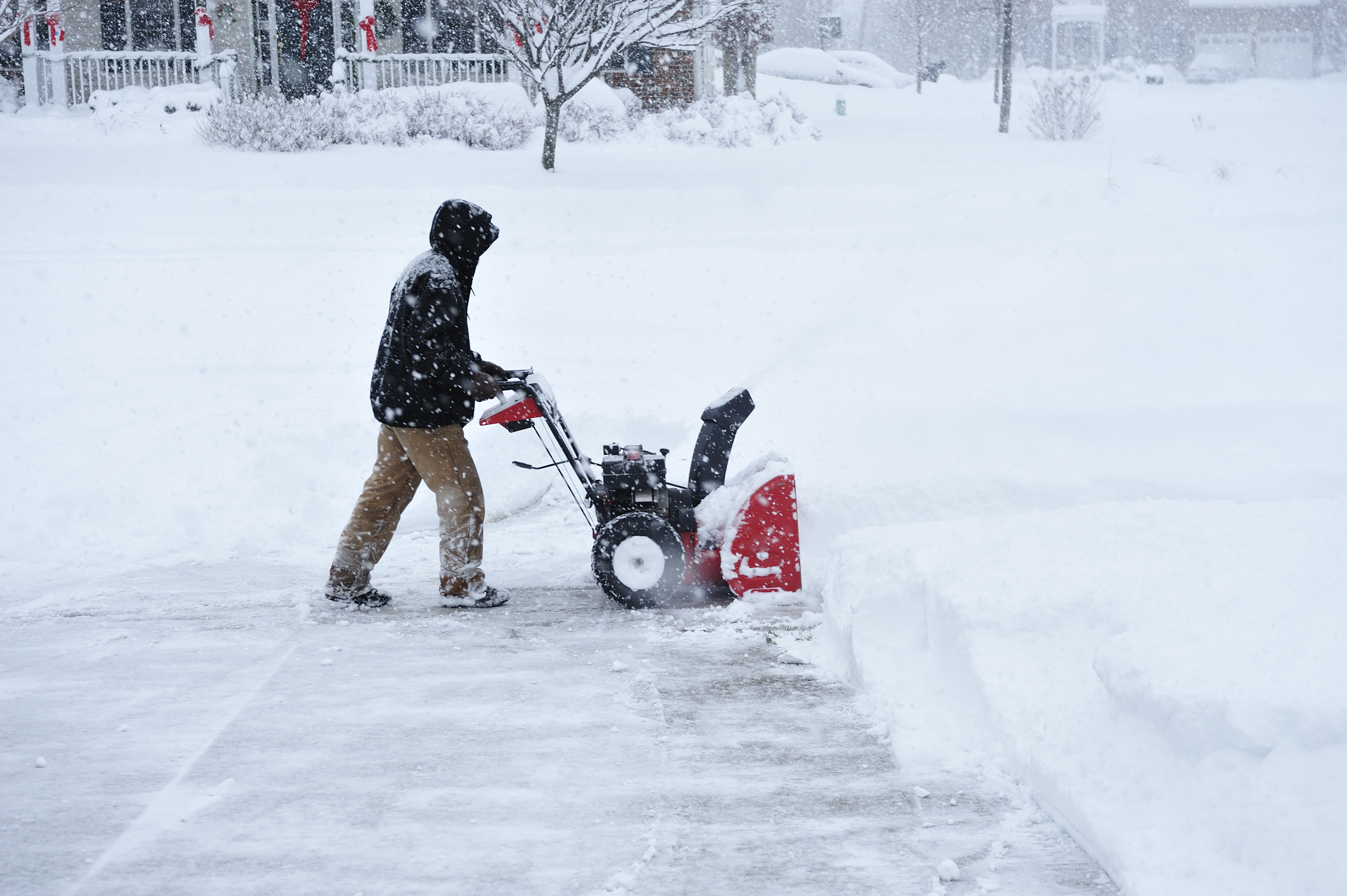
Snowblowers come in three different sizes: first-, second-, and third-stage blowers. Each additional stage is larger with higher intakes, more powerful, and has more gear options.

A first-stage blower, also called a snow thrower, is usually best for snow 6 to 8 inches or below. Electric snow blowers are usually only available in this size. If you regularly get snow that’s well above six inches, consider a second-stage snow blower. If snowstorms dump 2 to 3 feet of snow repeatedly during winter, you need a third-stage snow blower to tackle it.

There is no hard and fast rule about using a snowblower on a specific amount of inches, but most snow removal experts suggest using one on 2 or more inches of snow for best results. This will also depend on what type of surface you’re working on and whether the snow is dry or wet. 

In most cases, it is best to leave icicles on your roof and allow them to melt naturally. You should only consider removing them if they are heavy enough to cause damage to your home or pose a risk to people below. Since removing icicles can be dangerous, it is recommended to hire a professional for the job if you have immediate concerns. To prevent the issue from recurring, you should address the underlying cause, such as improving your home's insulation or installing roof heating coils.

The Branson, MO homeowners’ guide to snow removal services

From average costs to expert advice, get all the answers you need to get your job done.