



Top-rated snow removal pros.

Get matched with top snow removal pros in Cape Fair, MO

Enter your zip and get matched with up to 5 pros

Need a pro for your snow removal project in Cape Fair, MO?

Select your specific project to find the pro for you.

Find Snow removal pros in Cape Fair

Dreamscapes
4.4(
18
)
Snow RemovalSnow Removal- For Business

Serving Cape Fair, MO and surrounding areas

Approved

In business since 2014

Free estimates

Emergency services offered

"Absolutely wonderful people! Do the unexpected large snowfall, I was hoping they could come to dig us out. They were there promptly early the next morning, and not only clear the driveway, but did the sidewalk by hand and even salted next to the house. Certainly went above and beyond and made our life so much better! Also super nice people and look forward to doing more business with them during the summer after the snow!"
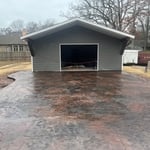
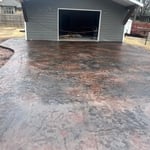
Stamped/Colored Driveway
Stamp/Stain
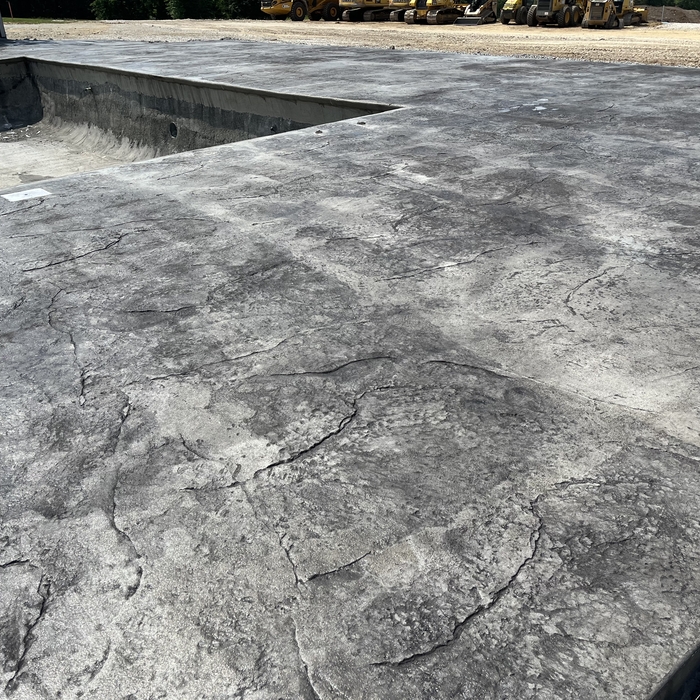
Gunite Pool
Gunite Pool

+16

Response time3 days
24 neighbors recently requested a quote
Recommended by28%of homeowners
Bright Handyman Service
New to Angi
Snow Removal

Serving Cape Fair, MO and surrounding areas

Approved

Bright’s Handyman Service\n\nSpringdale, Arkansas\n\nHonest work • Fair prices • Faith-based service\n\nServices Offered:\n✔ Cleaning\n✔ Painting\n✔ Lawn Care\n✔ Carpet Cleaning\n✔ Car Detailing\n✔ Power Washing\n✔ General Home Maintenance & Repairs\n✔ Much More\n\nNo job too small — dependable, friendly, and done right the first time.\n\n📞 Call or Text for a Free Estimate\n\n“Whatever you do, work at it with all your heart.”\n— Colossians 3:23\n

Showing 1-10 of 26
Snow Removal questions, answered by experts

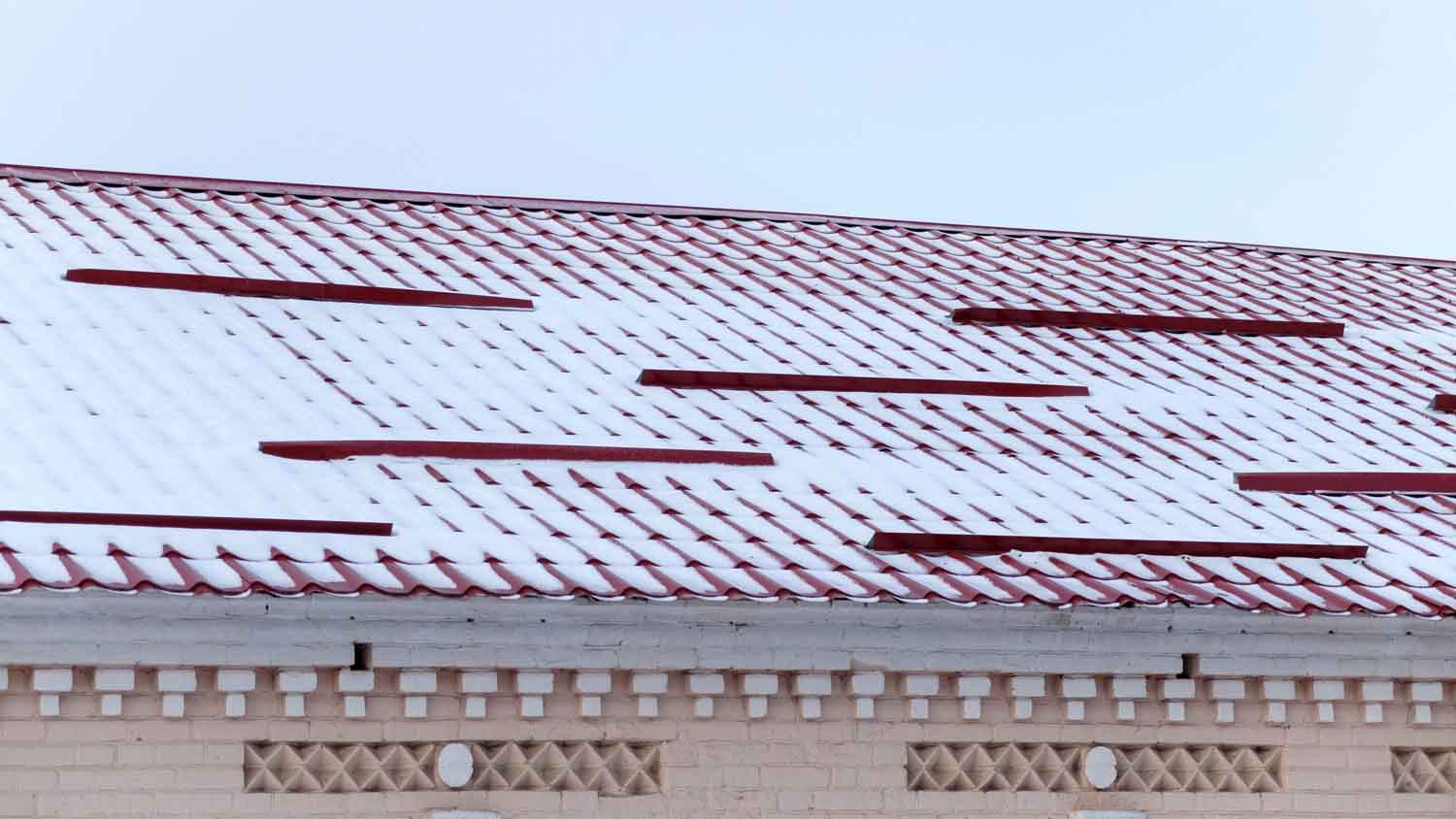
Leaving a significant amount of snow on your roof can be risky. Most roofs are designed to handle about 20 pounds per square foot of snow, but exceeding this limit can lead to a roof collapse. A collapse can cause severe damage to your home and belongings and poses a physical danger to anyone inside. Furthermore, heavy snow accumulation increases the risk of ice dams, which can cause leaks and water damage to your roof, attic, and interior walls.

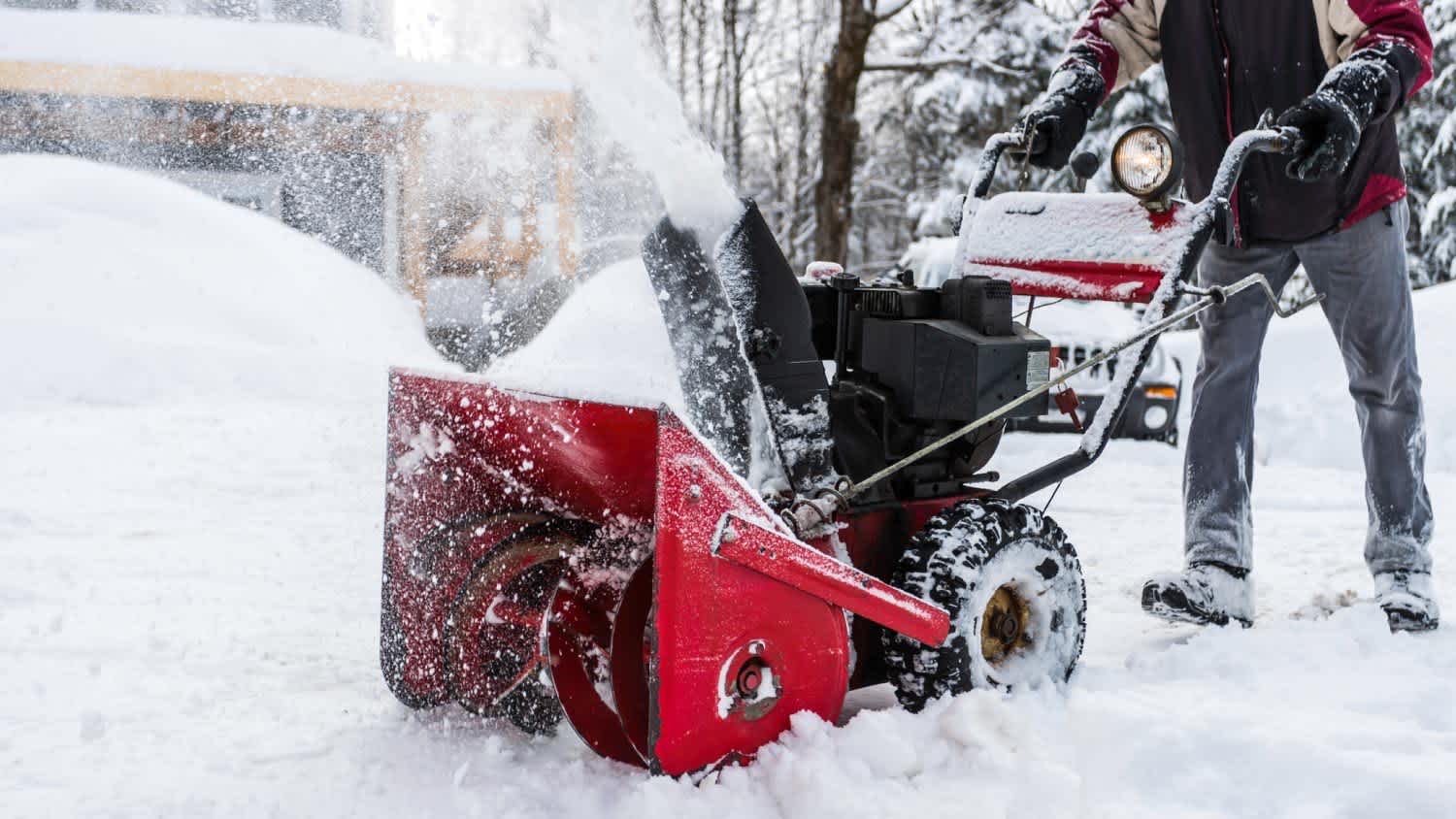
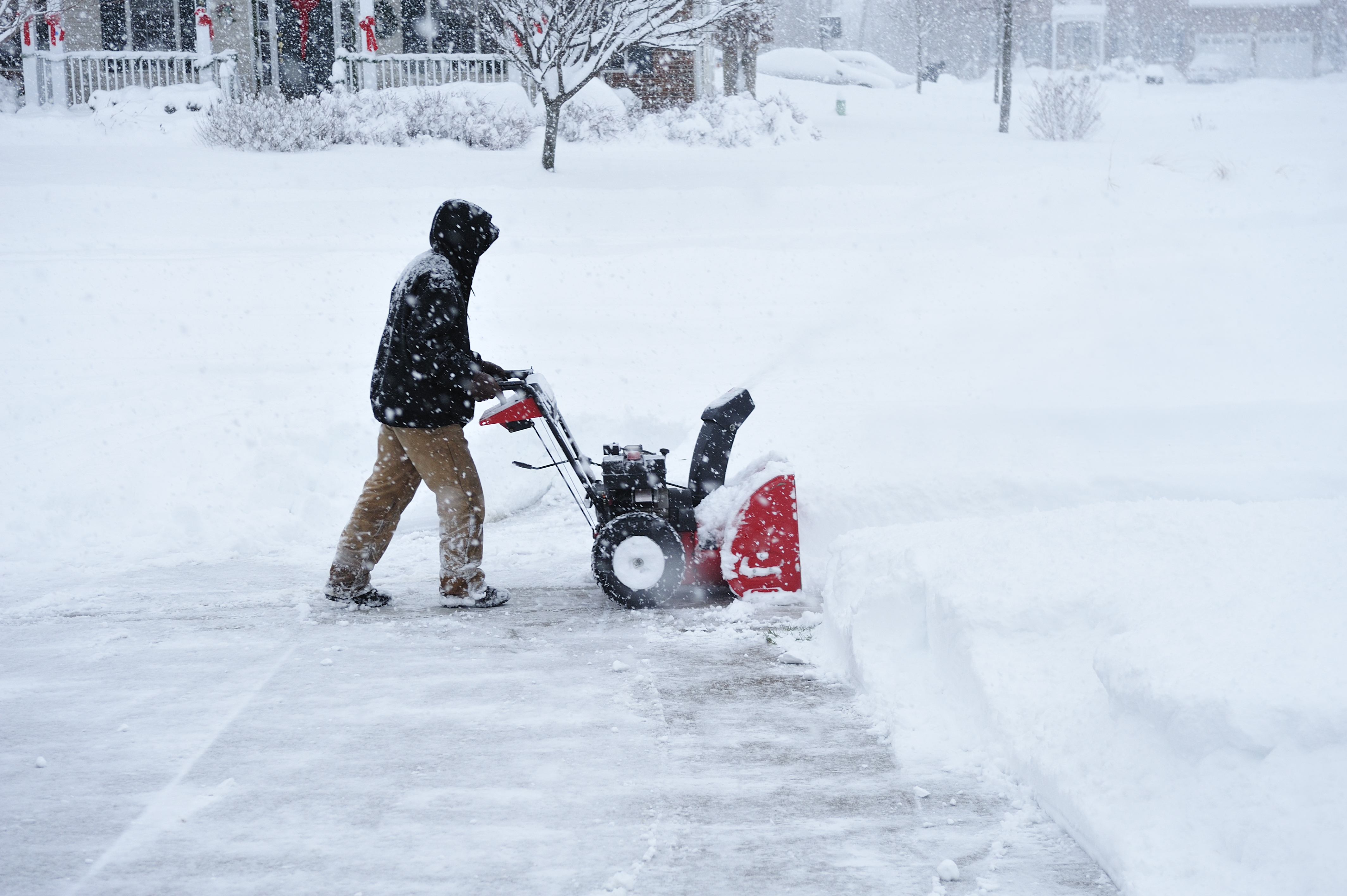
Yes—in fact, it’s an important step in how to start a snow blower. Allowing the engine to idle for a few minutes prior to using a snow blower helps it reach its optimal operating temperature, which gets the fuel running properly, improves its performance, and helps prevent stalling during frigid weather.

When temperatures drop far enough, even rock salt can’t melt the ice. The briny solution freezes before it develops, and the salt doesn’t work, which happens around 10 to 15 degrees Fahrenheit. Keep in mind that wind chill and other factors impact ice-melting progress. Some ice melters, like magnesium chloride, work at colder temperatures and work better for deep winter freezes.

Snowblowers come in three different sizes: first-, second-, and third-stage blowers. Each additional stage is larger with higher intakes, more powerful, and has more gear options.

A first-stage blower, also called a snow thrower, is usually best for snow 6 to 8 inches or below. Electric snow blowers are usually only available in this size. If you regularly get snow that’s well above six inches, consider a second-stage snow blower. If snowstorms dump 2 to 3 feet of snow repeatedly during winter, you need a third-stage snow blower to tackle it.

Yes, but it works best with lightweight snowblowers, the single-stage models or electric versions. Also, you need to have a rubberized intake edge on the ground and preferably rubberized auger paddles, not a metal version. Otherwise you may chip or damage the surface as you work. When it doubt, let the snow lie.

You can also use a snow blower on leveled gravel, but only if you carefully adjust the intake height so it doesn’t kick up the gravel and turn it into flying missiles.

The Cape Fair, MO homeowners’ guide to snow removal services

From average costs to expert advice, get all the answers you need to get your job done.