


Top-rated lawn irrigation specialists.

Get matched with top lawn irrigation specialists in Bethany, MO

Enter your zip and get matched with up to 5 pros

Need a pro for your lawn irrigation project in Bethany, MO?

Select your specific project to find the pro for you.

Find Lawn irrigation specialists in Bethany

Avatar for Home Remodel and Repair
Home Remodel and Repair
5.0(
10
)

Serving Bethany, MO and surrounding areas

In business since 2001

Small jobs welcome

We pride our company on reliability, honesty, great communication, integrity and quality work. We are experts in our trade and will do our best to keep you as educated as we can on your particular task or project. We look forward to earning your trust and your business!

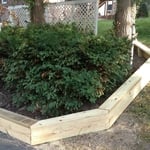
Rustic Flower bed
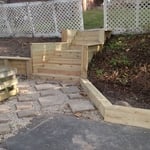
Steps with wrap around flower bed
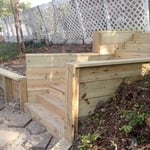
Steps and Retaining wall
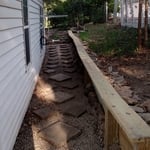
Rustic Retaining wall

+1

Response time2 days
Recommended by100%of homeowners
Avatar for Choice Home Warranty
Choice Home Warranty
4.0(
5,677
)

Serving Bethany, MO and surrounding areas

In business since 2008

Emergency services offered

Credit card accepted

"Timothy did a fantastic job replacing our toilet in our bathroom. He explained everything as he worked, helped us to get the best pricing possible on the job and was very friendly with my four year olds of daughter who was thrilled to receive an ECO sticker! Timothy went above and beyond to help us today and we will definitely be using ECO Plumbers again!"
Recommended by81%of homeowners
Lawn Irrigation questions, answered by experts

You can, like you can put too little down. Sowing too much grass seed can create competition between the seeds for resources (light, water, nutrients) and the seedlings could struggle to grow. When you sow too few, your lawn will come in thin. Your seed product has a recommended seeding rate, so use that as your guide.

Overseeding typically involves spreading grass seed either manually or with a machine that sprays the grass seed out and onto the soil. With overseeding, the grass seeds sit on the soil, and some may fall deeper into the soil if you aerated beforehand. With power seeding, a machine cuts narrow rows into the soil and pushes the grass seeds directly into the soil.

Depending on the species, most fescue grasses thrive in USDA hardiness zones 3 through 8, though some varieties can thrive as far as zone 10. While it’s a cool-season grass, it has the unique ability to adapt and thrive in many different types of climates. For this reason, you'll mostly find fescue grasses throughout the transitional temperature zones of the country.

Yes, grass will regrow after forestry mulching, but the timeline depends on soil conditions, mulch thickness, and existing seed banks. The nutrient-rich mulch left behind helps retain moisture and improve soil health, encouraging regrowth. However, if the mulch layer is too thick, it may block sunlight and slow grass germination. For faster results, you can rake excess mulch, aerate the soil, and plant the new grass seeds.

You can fill the holes weeds leave behind with soil or sand to avoid unsightly spots or tripping hazards. If you remove weeds from a grassy area, fill the hole with soil and grass seed, and water regularly to promote grass growth.

The Bethany, MO homeowners’ guide to lawn irrigation services

From average costs to expert advice, get all the answers you need to get your job done.