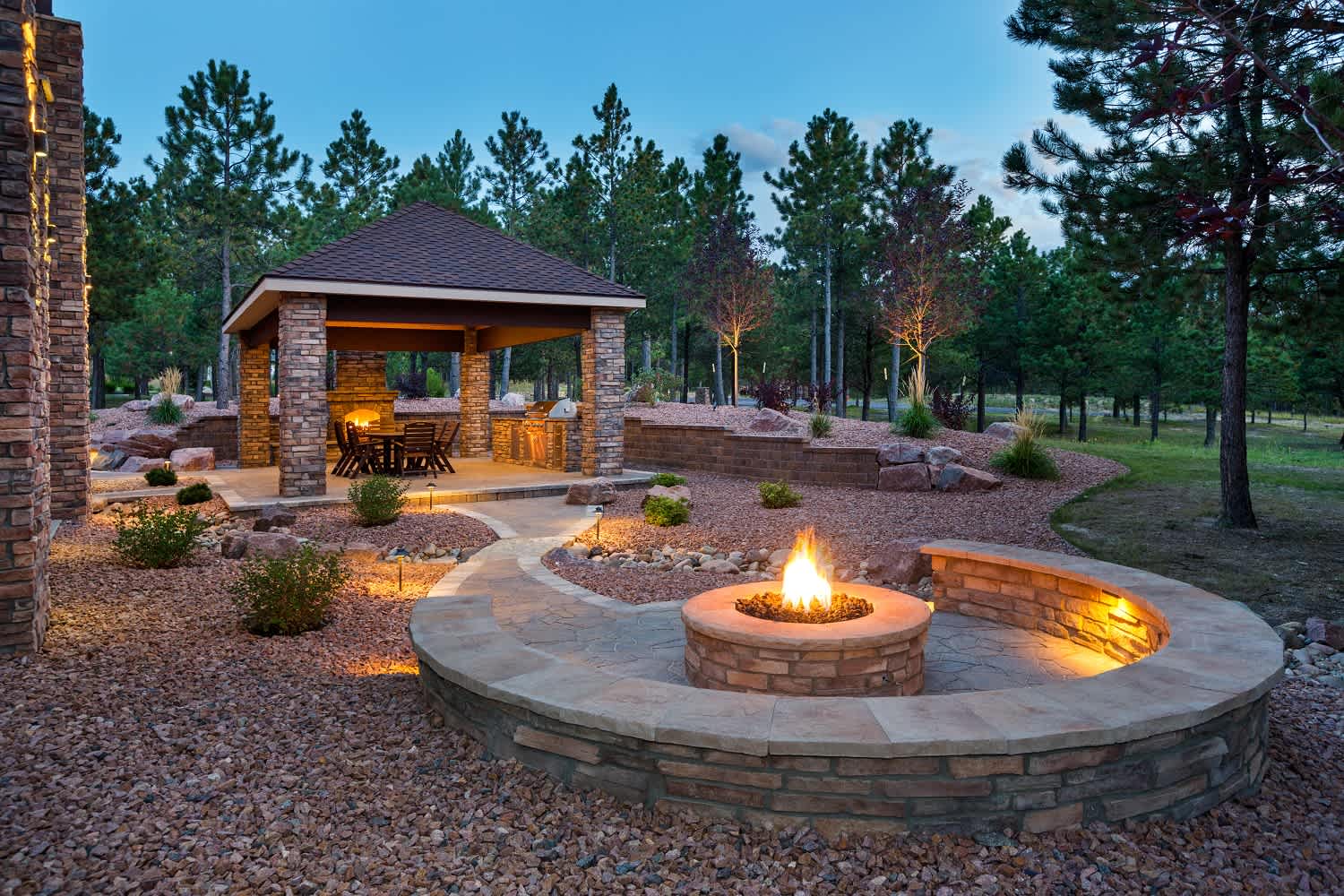




Top-rated fire pit installation pros.

Get matched with top fire pit installation pros in Beaufort, MO

Enter your zip and get matched with up to 5 pros

Need a pro for your fire pit installation project in Beaufort, MO?

Select your specific project to find the pro for you.

TRUSTED BY BEAUFORT, MO HOMEOWNERS

  • Average homeowner rating star icon3.9
    Average homeowner rating
  • Verified reviews icon76
    Verified fire pit installation services reviews

Find Fire pit installation pros in Beaufort

No results for Fire pit installation pro in

Try adjusting your search criteria.
Fire Pit Installation questions, answered by experts

If a storm or other natural disaster occurs in your area, you may not have immediate access to help. According to the U.S. Federal Emergency Management Agency, keep a disaster preparedness kit in your home with enough essentials to sustain your family for at least 72 hours. Put this in an easily accessible location to have it handy in case anything unthinkable happens.

You can relight a pilot light by yourself, but it’s not always the safest choice to do so. While the job is straightforward, a small mistake could end in a gas leak, fire, or explosion. That’s why we recommend everyone hire a pro for this job. Local furnace pros have lit dozens if not hundreds of pilot lights, and they’re well-versed and highly experienced in the proper safety protocols to keep you, your family, and your home safe while doing so.

Yes, a chimney damper is necessary. It controls airflow in and out of your fireplace, helping to retain heat when closed and allowing smoke to escape when open. Without a damper, your home could lose warmth during cold months, leading to higher energy bills. It also helps prevent downdrafts and keeps animals or debris from entering the chimney. In short, it’s essential for efficiency and safety.

A grease fire starts if hot cooking oil comes into contact with a heat source, such as an electric heating element or the flame on a gas range. Once the grease is ignited, it can be very difficult to put out. 

Generally, an oil furnace is considered safer than a gas furnace for several reasons. While both types of furnaces can produce carbon monoxide, a leak in an oil furnace is easier to detect due to the smell. Oil furnaces also don't connect to a gas pipeline, which reduces the chance of a fuel leak. Most importantly, heating oil is not combustible, whereas natural gas is highly flammable. This means there is a much lower risk of combustion or explosion with an oil furnace. However, an oil furnace can still pose a fire hazard if it tips over.

The Beaufort, MO homeowners’ guide to fire pit installation services

From average costs to expert advice, get all the answers you need to get your job done.