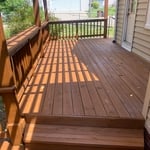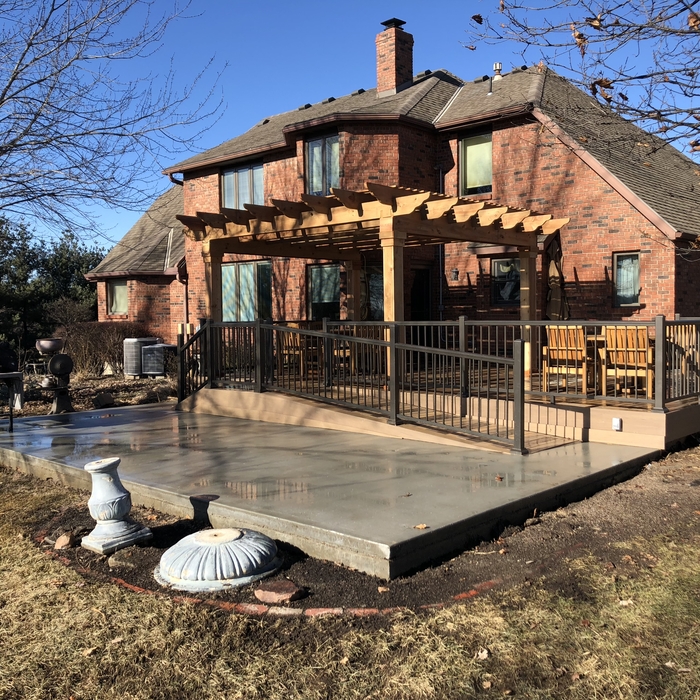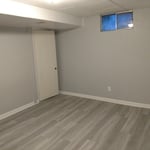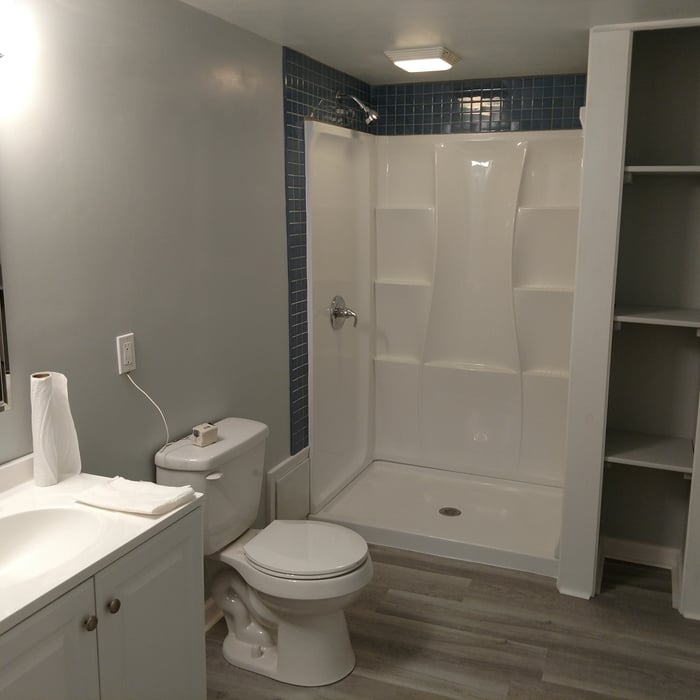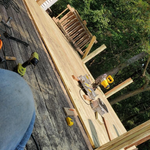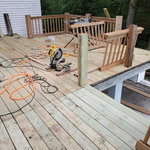
"Mr. Wilson was very competent and honest. We were extremely pleased and will remember him for future work. He is talented in multiple areas. We would highly recommend him."
"Found Sentri on Angi. Jeanette and Violet were very pleasant and efficient in getting a contractor to me in the time frame needed. The contractor was excellent and the roof looks great! I would definitely work with them again if I had additional projects."
"Excellent service! The contractor did a fantastic job hauling away tree debris from my property. He was professional, hardworking, and completed the job quickly and efficiently. The area was left clean, and the price was fair. I highly recommend his services and would definitely hire him again."
My name is Armando, and I’m committed to providing dependable, high-quality handyman services you can trust. Whether you need home repairs, maintenance, remodeling, drywall repairs, painting, fixture installation, or general home improvement projects, I take pride in delivering quality workmanship with attention to detail.
I'm Ausencio. I run Royalty Rehab Construction here in Kansas City. I handle drywall, paint, flooring, tile, roofing repairs, decks, fencing, and general home repairs. I'm fully insured and believe in honest communication, quality work, and fair pricing. If you ever need a hand or advice on a project, feel free to reach out
Hello my name is Daymian! I have done just about everything including whole home remodel. I am a contractor aswell. If I can't do it I know someone who can!
Yes, you can find ceiling joists using simple tools if a stud finder isn't available.
Using a hammer requires patience and a keen ear. Gently tap the ceiling in a grid pattern, listening for sound changes. A hollow sound indicates space between joists, while a solid, dull thud suggests a joist. Mark the location with a pencil and confirm by tapping from different angles.
Alternatively, you can use a nail, but this method will leave small holes. You'll feel increased resistance when the nail hits a joist. Mark the spot and repeat the process every 16 or 24 inches to map the joist locations. This method is considered less reliable than using a stud finder.
No rules state how much of a load-bearing wall can be removed. Rather, you need to adequately support any area that is removed. Support should always be added to as much wall area is being removed. Failing to support the area properly will result in structural damage.
You should avoid drilling or cutting into load-bearing beams because removing material will weaken it and increase the risk of structural damage or even collapse. If you do need to drill into a load-bearing beam, speak with a structural engineer first to discuss where it’s safest to drill and the width and depth of the bit that’s safe to use.
In framing, studs are placed at 16-inch intervals to coincide with the typical spacing of wall materials such as drywall or plywood. This spacing is called "on-center" and is necessary for maintaining structural stability and efficient use of materials. The 16-inch spacing also helps to distribute the weight evenly across the building's structure. For those looking to cut material costs and improve energy efficiency, 24-inch stud spacing can be employed through a method called "advanced framing". This requires careful planning and adherence to local building codes to ensure structural integrity.
Carpenters are trained to take on a wide range of home projects. You can hire a carpenter to do framing, roofing, build custom furniture, and make significant upgrades to your home. General carpenters are usually able to handle most jobs. However, you may also choose to hire a carpenter who specializes in a specific type of carpentry.
The Agency, MO homeowners’ guide to carpentry services
From average costs to expert advice, get all the answers you need to get your job done.
When you’re tackling a project or hiring a contractor, it’s helpful to know key carpentry terms. From end grain to dovetail joints, here’s a complete list.