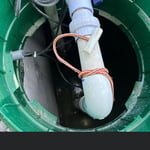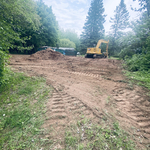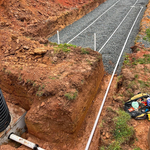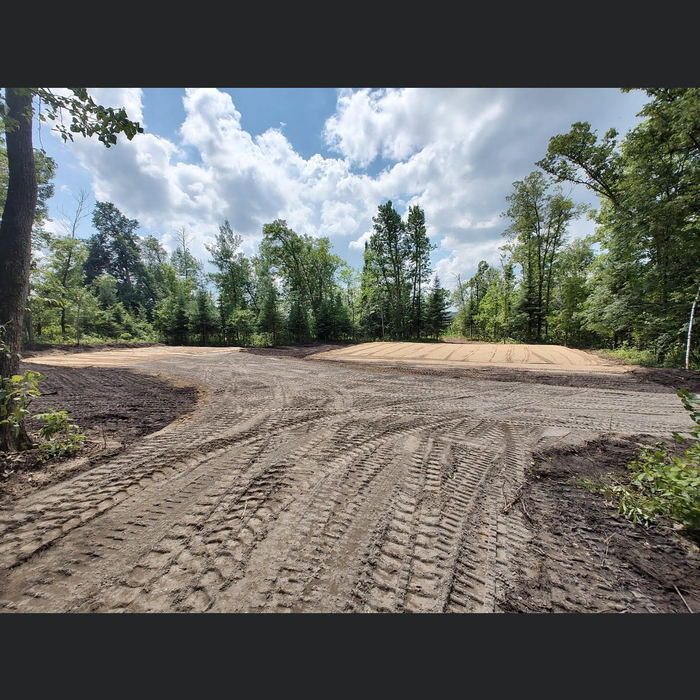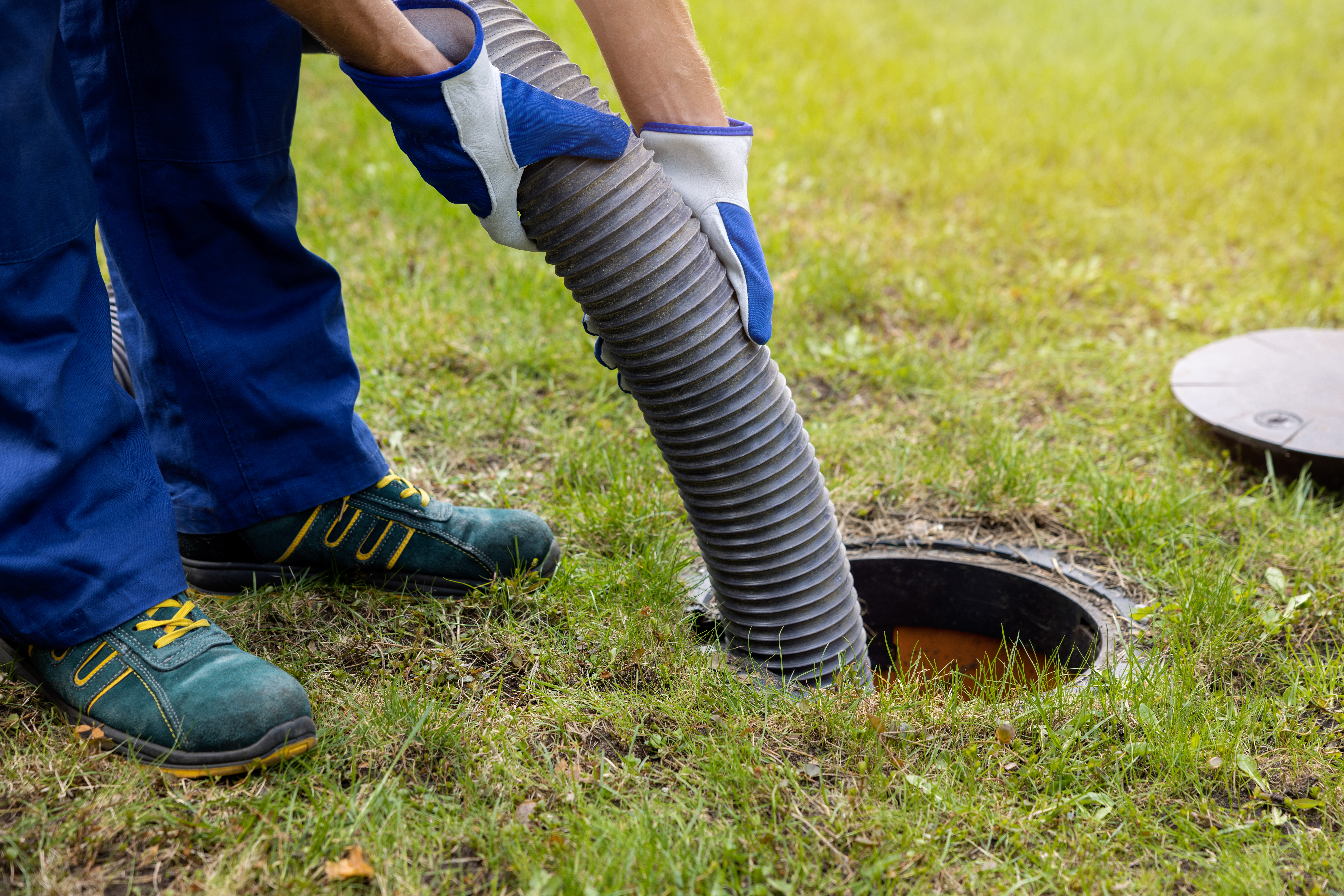




With 25 years of experience in the industry, JBN Inc. is your septic expert on the Iron Range. We offer comprehensive septic services, including repairs, maintenance, inspections, designs, and installations. We pride ourselves on our extreme professionalism and attention to detail. Give us a call today, and we look forward to working with you!\n
"I just pay $75 you never know who's going to come out. They do everything electrical. Just about everything is covered except the septic tank. I had an air conditioner replaced. It went great, all I had to do was pay for the freon. He didn't charge e more than what was needed."
Your septic tank naturally contains the good bacteria it needs, so you typically don't have to add more as the system produces them on its own. However, if you wish to replenish the bacteria, you can use natural methods. For example, you can add three rotten tomatoes to your garbage disposal or flush 1/4 ounce of active yeast down the toilet every three months. While store-bought septic enzymes and chemicals are available, many additives are unnecessary and may even harm your system. The most effective way to maintain a healthy bacterial balance is to avoid using chemical drain cleaners, which can kill the beneficial bacteria in your tank.
Conventional anaerobic septic systems are the most cost-effective and least expensive type, with installation costs typically ranging from $3,000 to $8,000. For comparison, sand filter systems cost between $7,000 and $18,000, while mound systems are the most expensive at $10,000 to $20,000. Several factors influence the final price. The tank material is a key consideration; plastic tanks are the most budget-friendly option, starting around $2,900, but concrete and fiberglass tanks offer greater durability and longer life spans at a higher cost. The size of the tank also affects the price. For example, a 1,000-gallon tank costs between $900 and $1,500, whereas a larger 1,500-gallon tank costs $1,500 to $2,500.
There should be a red button or an on/off switch on or in your box. Press the button or flip the switch, then turn it back on by doing the same action again. If this doesn’t work, reset the breakers inside the box by flipping them off and back on again. After this, your alarm should stay off if there’s nothing wrong with your system. However, if the alarm is still sounding and there’s still a red light on, it’s time to call a pro for a diagnosis.
A well pressure tank typically lasts between 5 and 15 years. However, its lifespan can be influenced by several factors. High-quality, appropriately sized tanks tend to last longer, with some top-of-the-line models lasting up to 30 years. Regular annual maintenance, including inspections, cleaning, and prompt repairs, is crucial for extending the tank's life. Water quality also plays a significant role; water with high levels of sediment, minerals, or rocks can cause premature wear. Overworking an undersized tank can also limit its lifespan.
To keep your septic tank healthy, be careful of what you flush and be conservative with water usage, as even flushing too much water down the drain can throw off the septic system’s delicate balance. Never flush anything but human waste and toilet paper down your toilet, and be sure to have the tank inspected and pumped every two to five years, depending on the size of your household and your water usage.
The Orr, MN homeowners’ guide to septic tank services
From average costs to expert advice, get all the answers you need to get your job done.
Caring for your septic system is crucial to ensuring its long life. But how much does it cost to pump a septic tank? We explore the different cost factors.
A damaged septic system can leak odors and sewage, so repairs are urgent. Find out how much septic tank repair costs based on repair type, tank size, and more.
Septic tank risers make it easy to access your septic tank when it’s time for routine inspection, maintenance, and pumping, saving you precious time and labor costs.
Septic tank sizes vary depending on the size of your home, how many people live there, how much water you use, and more. Read on to learn how to determine the right size for you.