





Top-rated septic tank pros.

Get matched with top septic tank pros in Bigfork, MN

Enter your zip and get matched with up to 5 pros

Need a pro for your septic tank service project in Bigfork, MN?

Select your specific project to find the pro for you.

Find Septic tank pros in Bigfork

Avatar for American Home Shield – Home Warranty
American Home Shield – Home Warranty
3.5(
5,688
)

Serving Bigfork, MN and surrounding areas

In business since 1971

Credit card accepted

"The technician emptied the freezer, which was in the basement, to work on the part that needed repair. Then he neglected to put anything back into the freezer, including a turkey I had bought for Christmas and a rack of ribs. Two days after he left, I went out of town for two weeks. The turkey actually exploded and spewed its liquid all over everything, which had to be discarded. I let AHS know and they couldn't even bother to call me or follow up on this. I'm considering not renewing my contract with them because of the quality (or lack thereof) of many of the providers they send."

Additional Photos
Additional Photos
Additional Photos
Additional Photos
Additional Photos

+2

Recommended by65%of homeowners
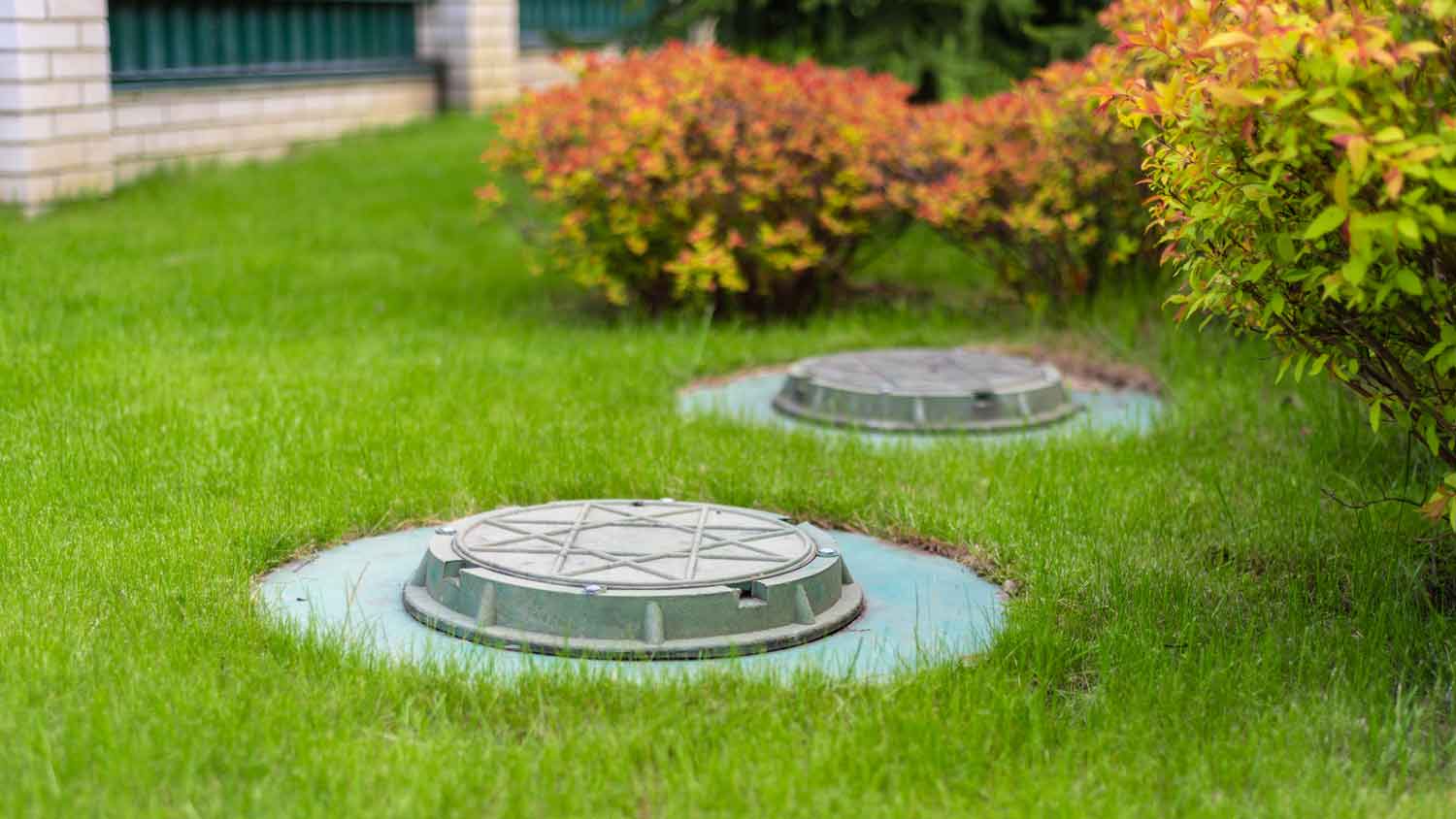
Septic Tanks questions, answered by experts

Yes, shower water goes into the septic tank. Shower water is a type of greywater, and in fact, all water used in a home with a septic system—including water from sinks, toilets, the dishwasher, and the washing machine—drains into the tank. When shower water enters the tank, debris like soap and hair travels with it. The solid debris sinks to the bottom to become sludge, while soap residue joins the scum layer at the top. The remaining water is treated in the tank before moving to the drain field for further treatment and dispersal. It is important to avoid putting oil or harsh chemicals down any drain, as they can cause clogs or disrupt the beneficial bacteria required for proper wastewater management in the septic system.

A well does not run out of water because the groundwater continues to refill with rainwater that seeps through the ground. If the well is too shallow or there is a drought, a well can run dry or be short in supply. It’s important to have a well deep enough to source enough water for your home’s use. Deeper wells tap into more groundwater reserves. If your well is not producing enough water, you may need to redig your well.

The septic installation company must follow several steps to put in a new septic system and leach field. The installer will study your property and determine the best place for the tank and leach field. The site should be away from existing structures, be free of trees, and have proper drainage and grading. Preparing the site for the tank and leach field will require significant excavation work.

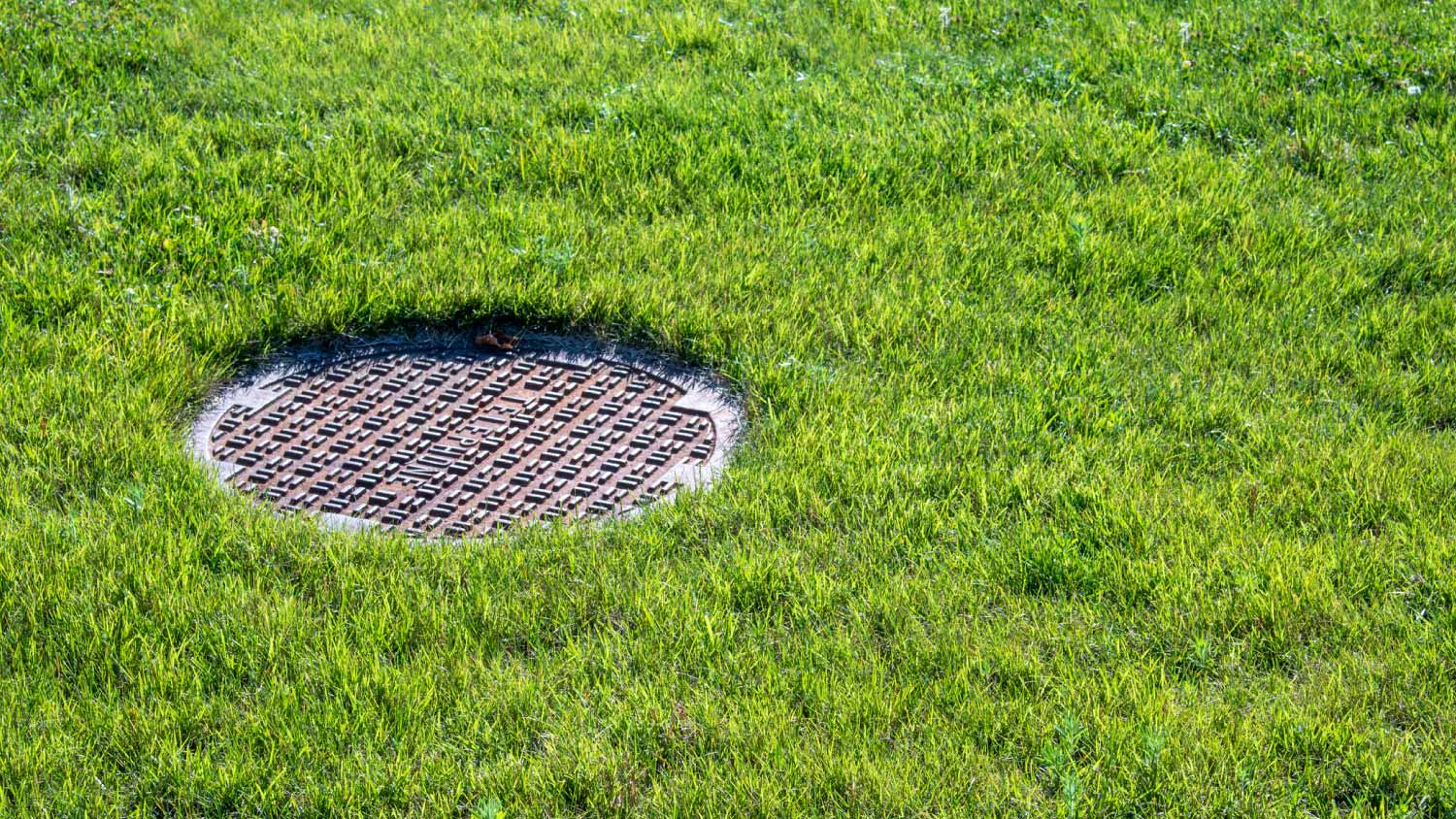
If there’s a problem with your sewage system, you might notice water pooling on the ground around the tank, which could indicate an overflow. Clogged and sluggish drains or foul smells coming from your plumbing are also signs that there might be a blockage in your septic system.

The size of your septic tank plays a role in determining the proper size of the drain or leach field. As a general rule, you should have 1 square foot of drain field size per gallon of septic tank capacity. However, you could install a leach field that’s as much as 2.5 square feet per gallon of septic tank capacity. Most professionals determine the right septic tank size and drain field size by the number of bedrooms in the house. A three-bedroom house needs a minimum 1,000-gallon septic tank, for example.

The Bigfork, MN homeowners’ guide to septic tank services

From average costs to expert advice, get all the answers you need to get your job done.