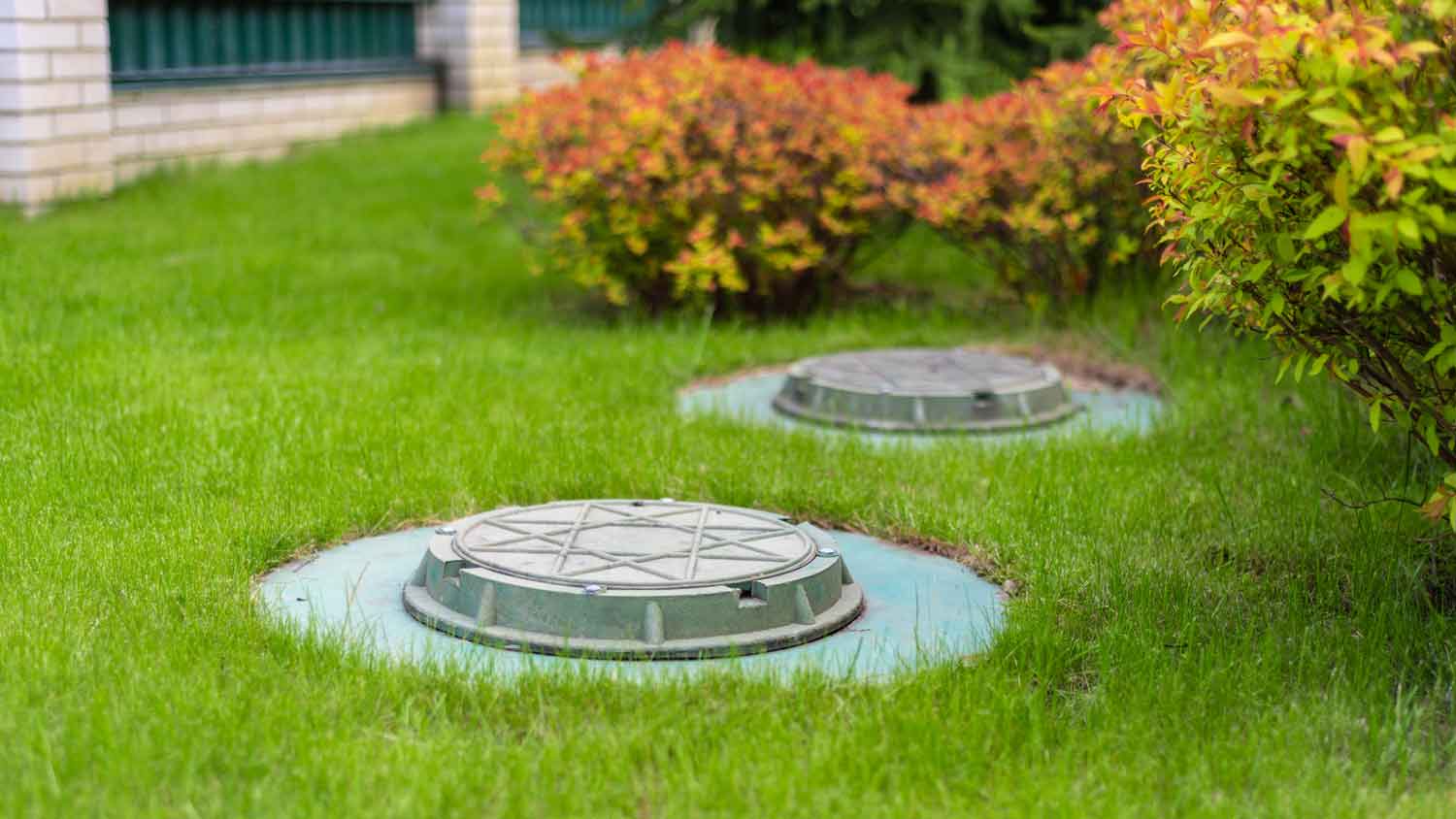
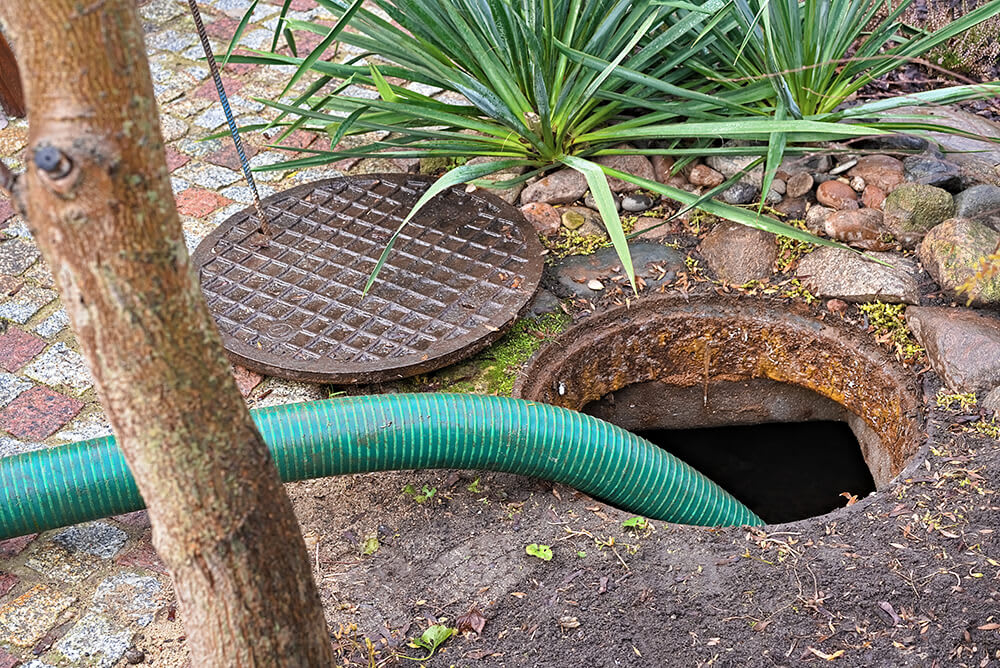
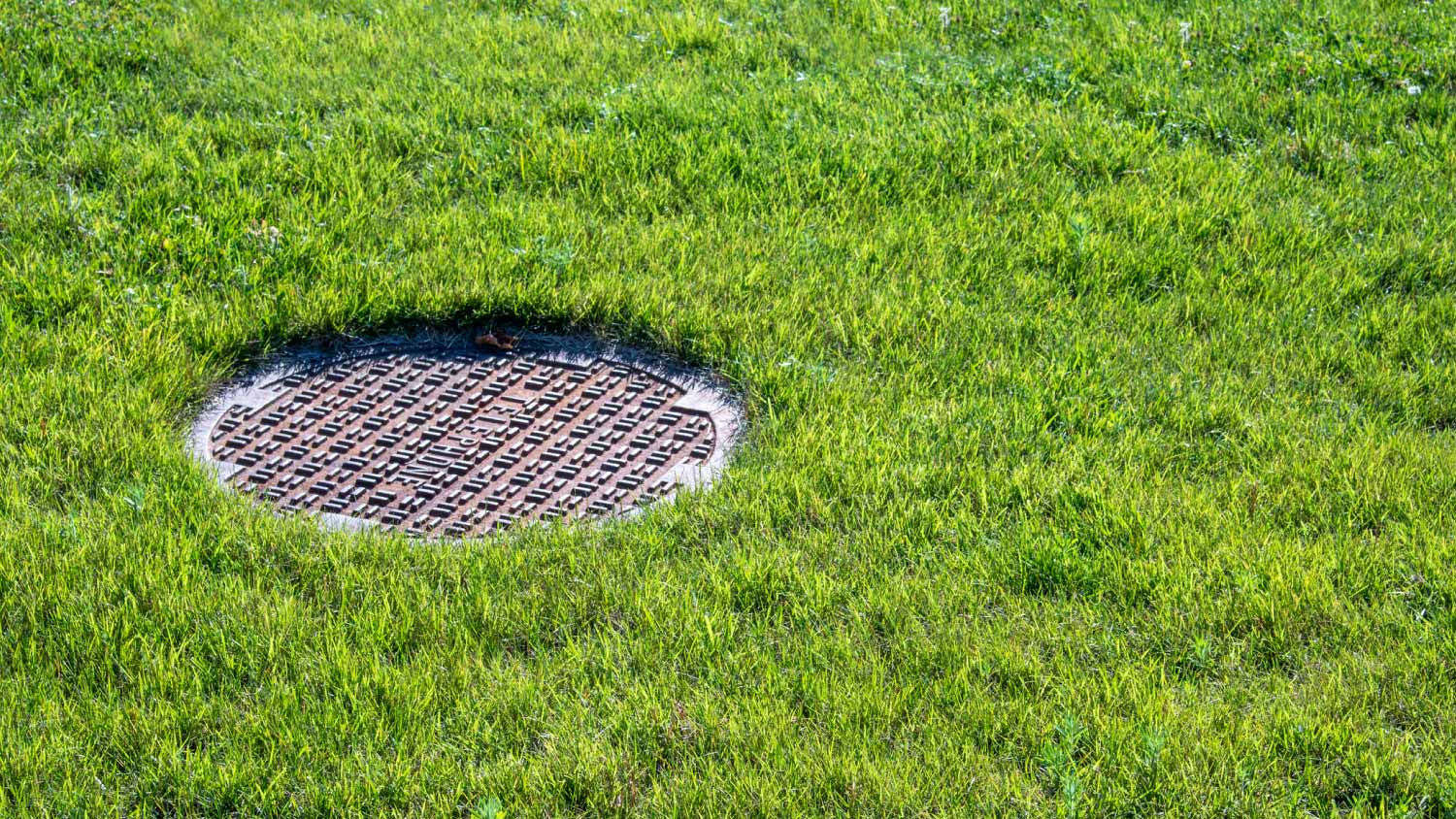
At J.P. Sitework LLC, we are dedicated to providing prompt, top quality septic installation, repair and service using state of the art products and techniques to our valued customers. With over 25 years of industry, we offer the best service money can buy. Our commitment to excellence is reflected in the range of services we offer. We specialize in a wide variety of services and our goal is to be a one stop shop in the Excavation department. Whether you are just getting started and need a septic design or are near the end of the project, and need to explore final grade options, or anything in between. We have a solution that will fit your needs. We possess the know-how and the proper equipment to complete you job correctly the first time on time and on budget. We look forward to meeting with you to discuss your vision.
With 25 years of experience in the industry, JBN Inc. is your septic expert on the Iron Range. We offer comprehensive septic services, including repairs, maintenance, inspections, designs, and installations. We pride ourselves on our extreme professionalism and attention to detail. Give us a call today, and we look forward to working with you!\n
"Well. Only problem was delay in response time after claim was filed online. Water tank started leaking Thanksgiving morning and no reply until I called the Regional Manager."
"I just pay $75 you never know who's going to come out. They do everything electrical. Just about everything is covered except the septic tank. I had an air conditioner replaced. It went great, all I had to do was pay for the freon. He didn't charge e more than what was needed."
Yes! Toilet paper can be flushed if you use a septic tank. While unique toilet papers designed to be used with septic tanks are available, many people have no problem flushing regular toilet paper with a septic tank, so long as you don’t flush too much toilet paper all at once. Do not flush any type of baby wipes or bathroom wipes, even if they say “flushable.”
The bacteria already present in your septic system should be enough to break down solids in a properly maintained septic tank. However, if you’re in a DIY mood, you can try adding (well-mashed) rotten tomatoes to help the good bacteria fulfill their duty. Just make sure you give them a couple hours to work after flushing them down.
The pressure in a well pressure tank should be set 2 to 3 PSI below the pump's cut-on pressure. The cut-on pressure is the lower number in the pressure setting (e.g., the '30' in 30/50 PSI) and is the point at which the pump starts. The cut-out pressure is the higher number, where the pump stops.
For example:
If your pressure switch is set to 30/50 PSI, the tank pressure should be 27-28 PSI.
If your pressure switch is set to 40/60 PSI, the tank pressure should be 38 PSI.
Common pressure settings for household applications include 20/40, 30/50, and 40/60 PSI. The difference between the cut-on and cut-out pressure is typically 20 PSI.
Most shallow residential wells are somewhere between 25 and 50 feet deep. They are among the simplest well systems. Deeper wells usually involve drilling to a much greater depth. Water wells for household use are typically 100 to 500 feet deep, depending on local groundwater conditions. Some may be up to 1,000 feet deep or more.
The cost of sump pump installation varies depending on factors like the type of sump pump, labor rates, and the complexity of the installation. On average, you can expect to pay around $1,200 for a standard sump pump install. However, the cost may be higher if additional features like a backup system or extensive drainage work are required.
The Babbitt, MN homeowners’ guide to septic tank services
From average costs to expert advice, get all the answers you need to get your job done.
Caring for your septic system is crucial to ensuring its long life. But how much does it cost to pump a septic tank? We explore the different cost factors.
It’s crucial to install a septic tank with the right volume to avoid wastewater backups. This guide will help you calculate the right septic tank volume.
Septic tank sizes vary depending on the size of your home, how many people live there, how much water you use, and more. Read on to learn how to determine the right size for you.