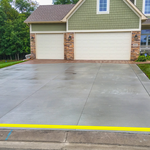
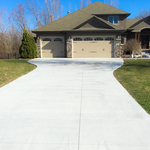
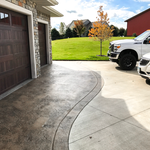
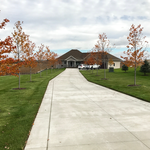
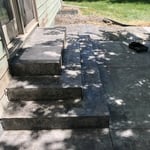
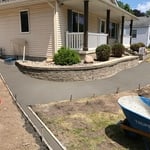
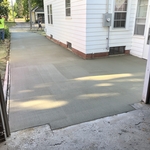
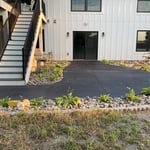
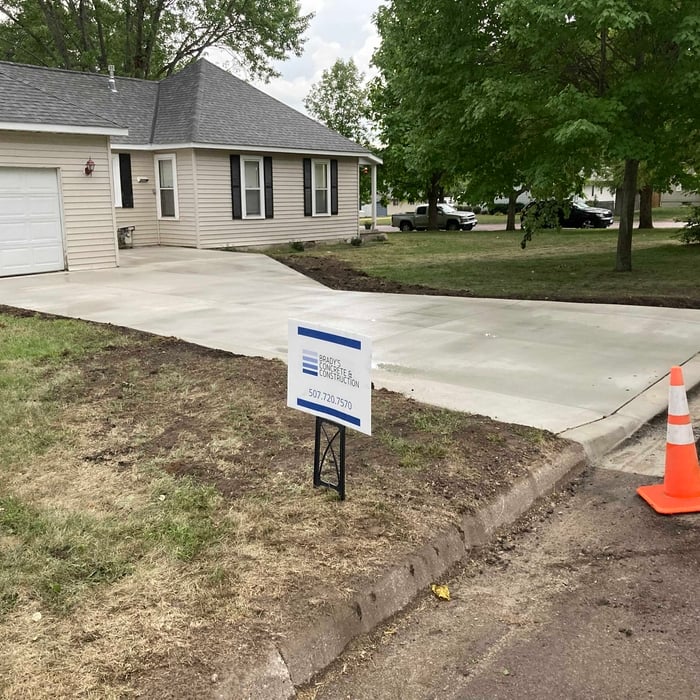
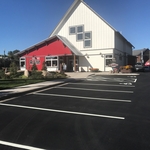
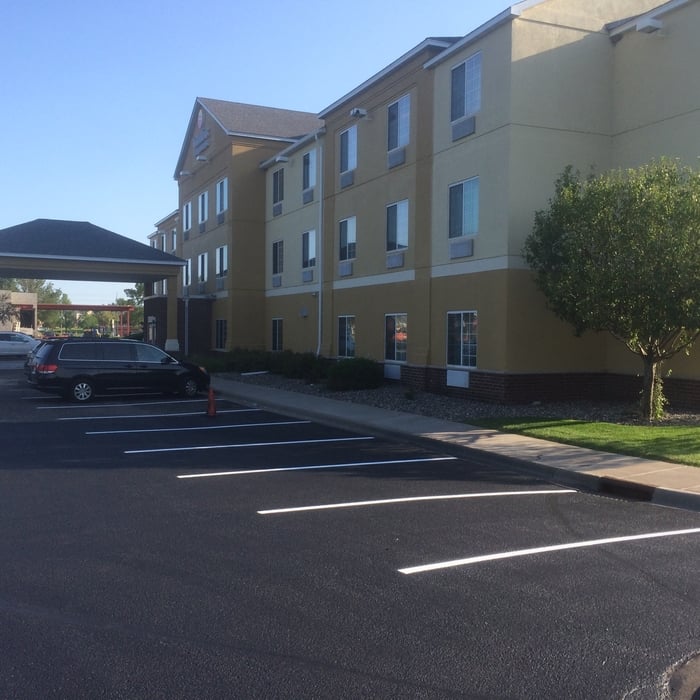
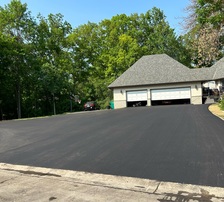
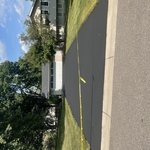
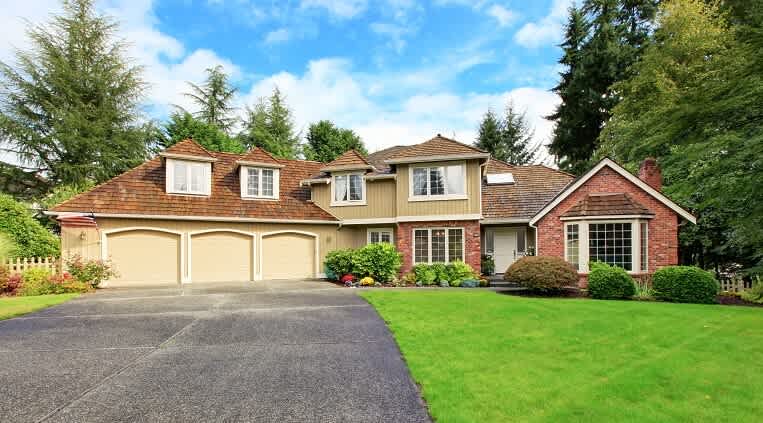
"Brady and his crew did a fantastic job! We love our new driveway and will definitely be calling him again for more concrete work. Highly recommend Brady’s Concrete and Construction!"
"Very high quality work. Came back and fixed a part that I had messed up when I got gas and oil on the driveway. Most of the neighbors had them come and do work on their driveways after seeing mine."
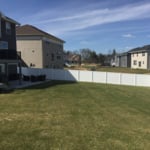
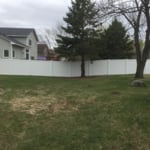
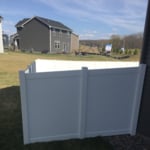
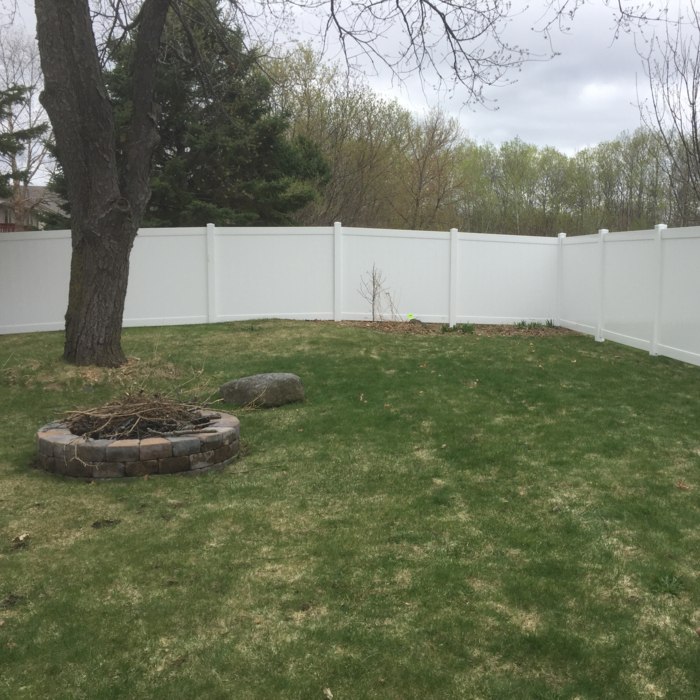
"My wife and I needed a fence segment installed and a 10ft wide driveway gate to keep our German Shepherd contained the backyard. Northland was hands down a great company and I would recommend them for any fence job. We went with steel wrought iron and it’s absolutely beautiful. We contacted about 8-10 different companies, and Northland’s pricing and options were by far the best. They had a few different styles of fencing and gave us a price breakdown for each one. They were the first company we contacted and they even recommended two other places to see if they would offer a better price, although they did not and we went with Northland regardless. The first step was to remove our old fence, which they did in no time at all, and then they drove the posts into the ground. They came back just over 1 week later to install the fence and gate and they did a wonderful job. If you have Nick and Alejandro installing it they’ll do excellent work. Whenever we need another fencing project complete we will contact Northland. Overall they had great customer service and we couldn’t be happier with the results."
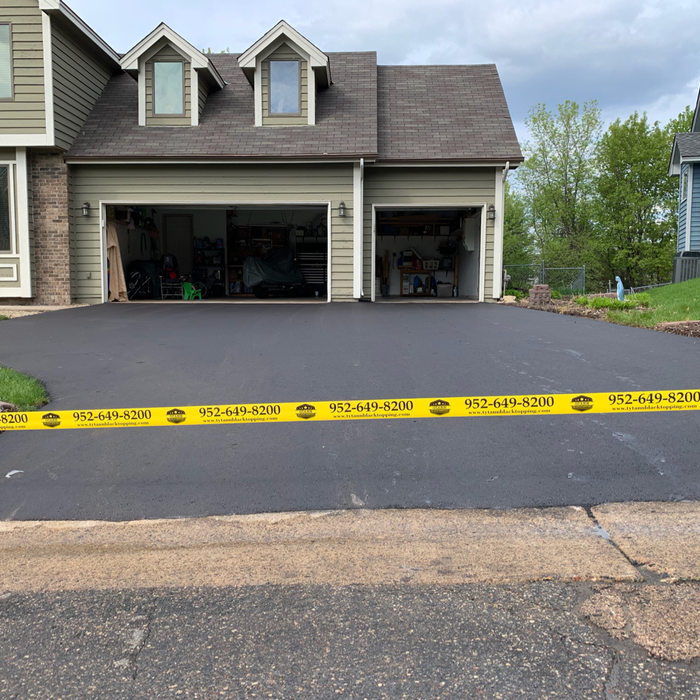
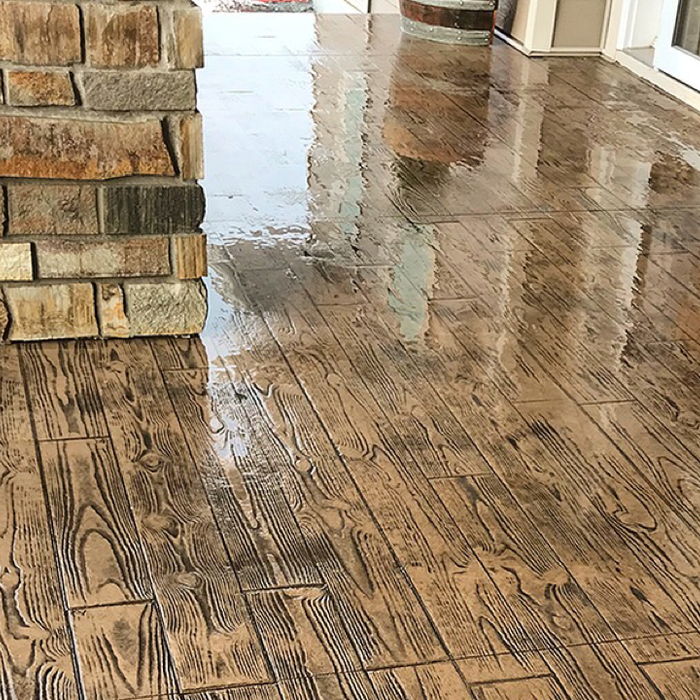
"They showed up at the time they said they would and were very efficient, clean and detailed orient. Would recommend them for any driveway and sidewalk job. Will definitely look to them for future work as well. Hopefully a stamped patio in the near future."
"David Ernst painted all the replacement roof caps to match with the color of the roof shingles, and did all the awnings over the windows as well. He also put on a vent cap for the upstairs bathroom for me as well. The roof inspector was impressed with the work and the pictures that were taken. they were very fast, and cleaned up the yard and driveway. I highly recommend David Ernst"
With proper maintenance, asphalt milling driveways can last 30 years or more. Over time, you’ll need to regularly sealcoat your driveway. You should also have your driveway inspected every few years and make any repairs as soon as they are necessary; this will prolong the lifespan of your driveway.
Asphalt and tarmac are not the same thing. Traditional tarmac, short for tarmacadam, uses tar as a binder to hold crushed stone together. Asphalt uses bitumen—a byproduct of crude oil—to bind aggregate. Though tarmac was once a go-to for roads, asphalt has become the modern standard. And these days, most surfaces referred to as “tarmac” are actually asphalt. So, while the names may overlap, the key distinction lies in the binder—tar for tarmac and bitumen for asphalt.
At a depth of two inches, a ton of asphalt covers around 80 to 100 square feet. However, the thicker the asphalt, the less surface area it will cover. That’s why measuring correctly is essential when estimating asphalt needs and costs to ensure you get enough material to cover your entire driveway, patio, or other asphalt surface.
Overall, a paver driveway is considered the easiest to maintain because homeowners are able to do driveway repair one piece at a time without impacting the rest of the driveway. Unlike paved options, paver driveways contain individual stones that aren't physically connected. By comparison, you may need to reseal or redo a full asphalt driveway if just one portion sustains a significant crack.
Three inches is a great thickness for a residential asphalt driveway that sees minimal to moderate traffic from cars, SUVs, and pickup trucks. However, a thicker driveway can better withstand the weight of a heavier vehicle, such as a trailer or a recreational vehicle. If you drive a heavy vehicle on a thin driveway, you risk cracking and damaging it.
The New Prague, MN homeowners’ guide to asphalt driveway services
From average costs to expert advice, get all the answers you need to get your job done.
Use our guide to calculate the cost to seal an asphalt driveway in Minneapolis, MN. Prices vary based on the type of sealant and the size of the driveway.
Learn how to find a top-rated asphalt driveway sealing pro by checking credentials and asking the right questions to ensure your pavement is protected.
Adding a new asphalt driveway to your home can boost its overall appearance and give homeowners a nice ROI down the line. But how long do asphalt driveways last, and what can you do to maximize their lifespans? Read this guide to find out.