"The technician emptied the freezer, which was in the basement, to work on the part that needed repair. Then he neglected to put anything back into the freezer, including a turkey I had bought for Christmas and a rack of ribs. Two days after he left, I went out of town for two weeks. The turkey actually exploded and spewed its liquid all over everything, which had to be discarded. I let AHS know and they couldn't even bother to call me or follow up on this. I'm considering not renewing my contract with them because of the quality (or lack thereof) of many of the providers they send."
Boit Excavating, LLC is the premier professional excavation company offering residential services to our clients in the Detroit Lakes area. We are known to pay exquisite attention to detail while making your satisfaction our number one priority. Please call us today to schedule your appointment with Minnesota's true professionals at work for you!
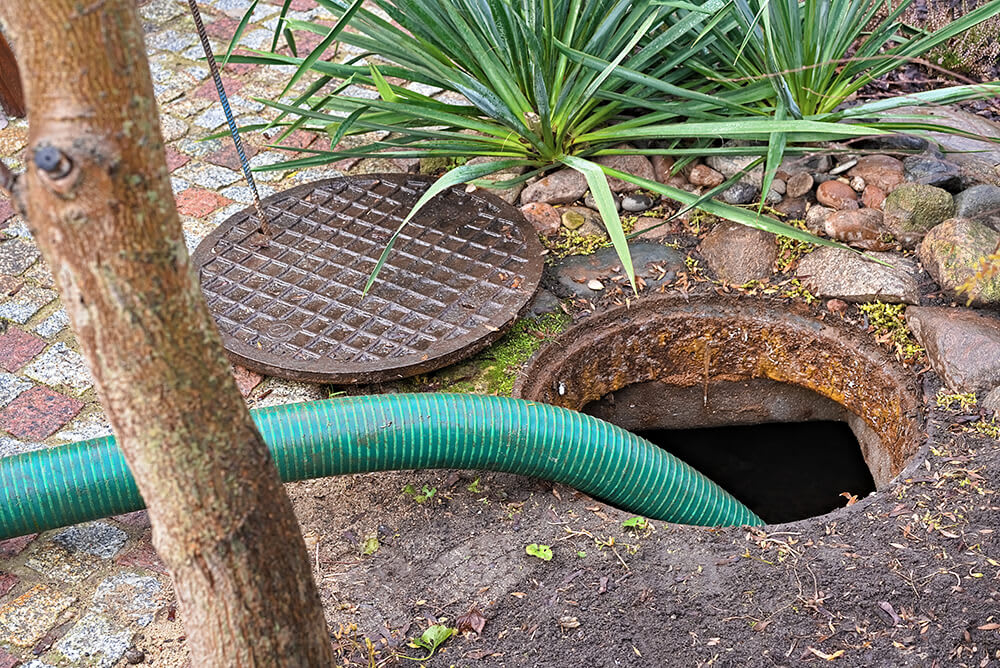
When your septic system is failing, you’ll probably smell it. Common signs of a septic system failure include sewage odors in the home or around the yard, flooding in the yard above the septic tank or in the leach field, and wastewater or even raw sewage backing up into your home’s drains.
Permits command adherence to health and environmental standards, with submission crucial for new system installations or extensive modifications.
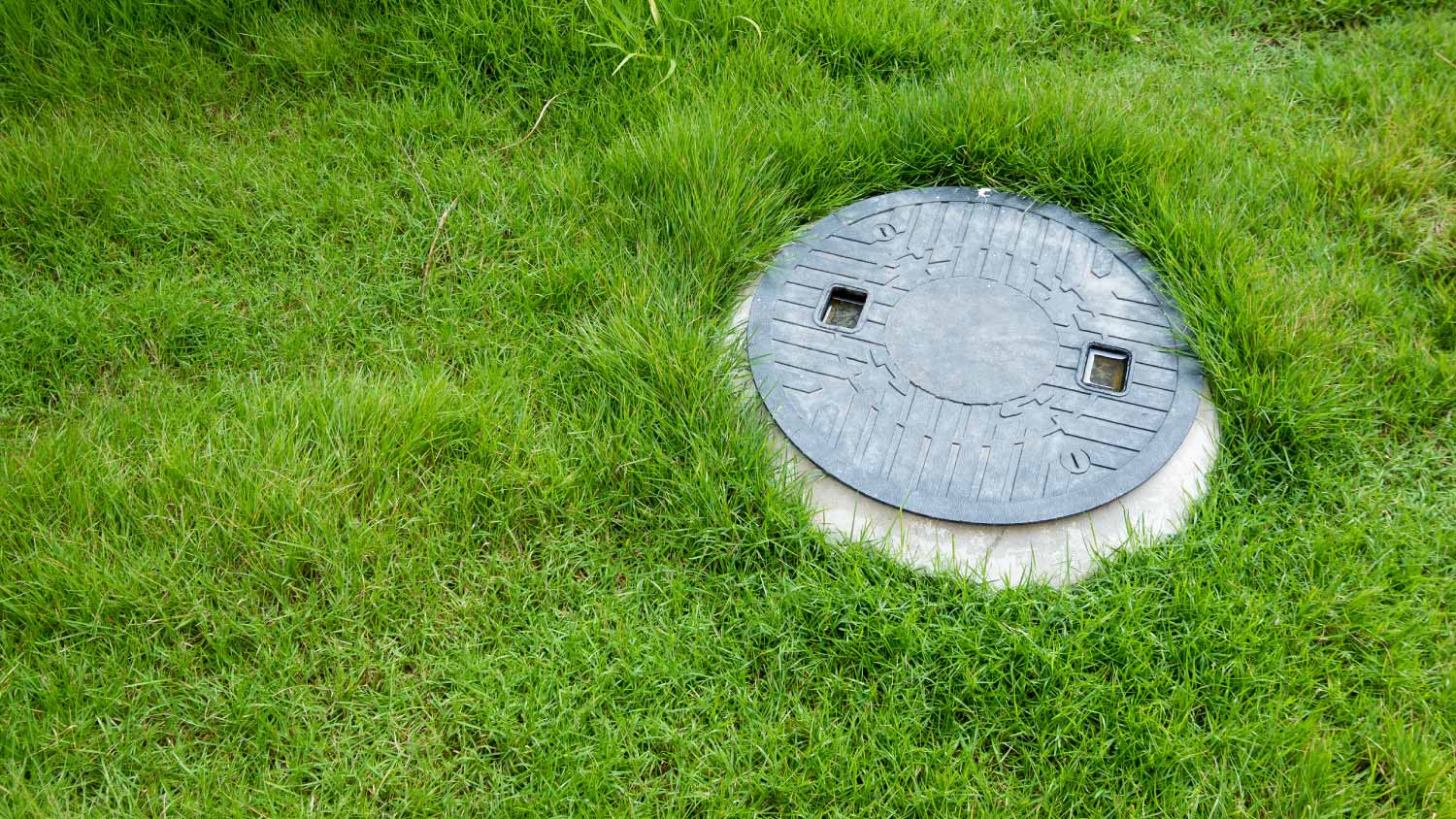
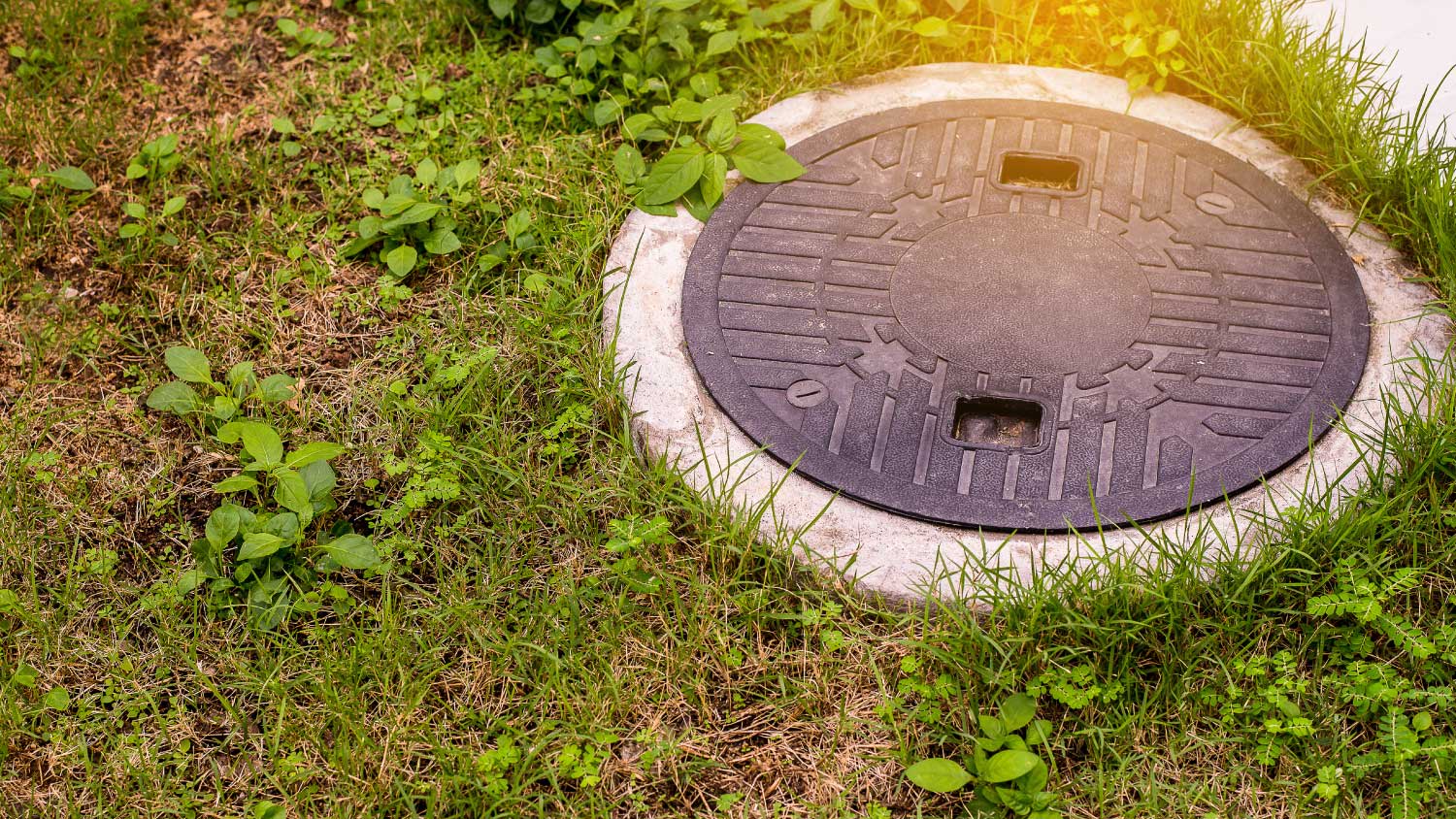
Septic tanks come in multiple shapes, sizes, and materials. However, they’re often round or rectangular in shape and made from concrete, fiberglass, or plastic. There’s a range of septic tank sizes, with the average model measuring 30 to 40 square feet and holding 1,000 to 1,500 gallons of waste.
Talking with a septic pro before planting trees near your tank is best to ensure the roots won’t interfere with your septic system. However, there is an easy way to figure out where to plant a tree—but you’ll need to know how tall it can get when it’s fully grown. For instance, if the tree can reach 50 feet, plant it at least 50 feet from your septic system.
You should pump your septic tank once every two to four years for a family of four, depending on your septic tank size. You should pump a 1,000-gallon septic tank every two years, while a 1,500-gallon tank should be pumped every four years. Water usage also affects how often you should pump your septic tank. If you notice slow drains, foul smells, or gurgling sounds from your drains, you should pump your septic tank as soon as possible.
The Mahnomen, MN homeowners’ guide to septic tank services
From average costs to expert advice, get all the answers you need to get your job done.
Caring for your septic system is crucial to ensuring its long life. But how much does it cost to pump a septic tank? We explore the different cost factors.
A damaged septic system can leak odors and sewage, so repairs are urgent. Find out how much septic tank repair costs based on repair type, tank size, and more.
Septic tank risers make it easy to access your septic tank when it’s time for routine inspection, maintenance, and pumping, saving you precious time and labor costs.
Septic tank sizes vary depending on the size of your home, how many people live there, how much water you use, and more. Read on to learn how to determine the right size for you.