


Mulchinator Land Management, LLC is a locally owned and operated company that values honesty and integrity and treats your home as if it were our own. You will find us to be competitively priced while still paying close attention to the details of each and every project we are involved with. We look forward to building lasting relationships and guarantee your satisfaction. Give us a call today to get your project started.
"I just pay $75 you never know who's going to come out. They do everything electrical. Just about everything is covered except the septic tank. I had an air conditioner replaced. It went great, all I had to do was pay for the freon. He didn't charge e more than what was needed."
To keep roots from growing into a septic tank. However, there are other steps you can take if existing tree roots are getting close to your septic tank. For one, you can install root barriers, which physically block roots from reaching your septic tank. You can also use chemical solutions in your yard or plumbing system to deter root growth.
Well water is often assumed to be hard because of its high mineral content. Hard water can lead to mineral build-up in your pipes and appliances. You can manage hard water by installing a whole-house filter system. These systems can help extend the life of your water-reliant appliances like your hot water tank and dishwasher.
Most well pump pressure switches have a factory setting of 30 to 50 PSI. There’s some flexibility with this if you’d like a lower or higher water pressure, but remember that it should sit 2 to 3 PSI above your well tank’s general pressure setting.
The inside of your pressure switch cover will usually indicate minimum and maximum settings—going below and above the numbers might damage your well pump.
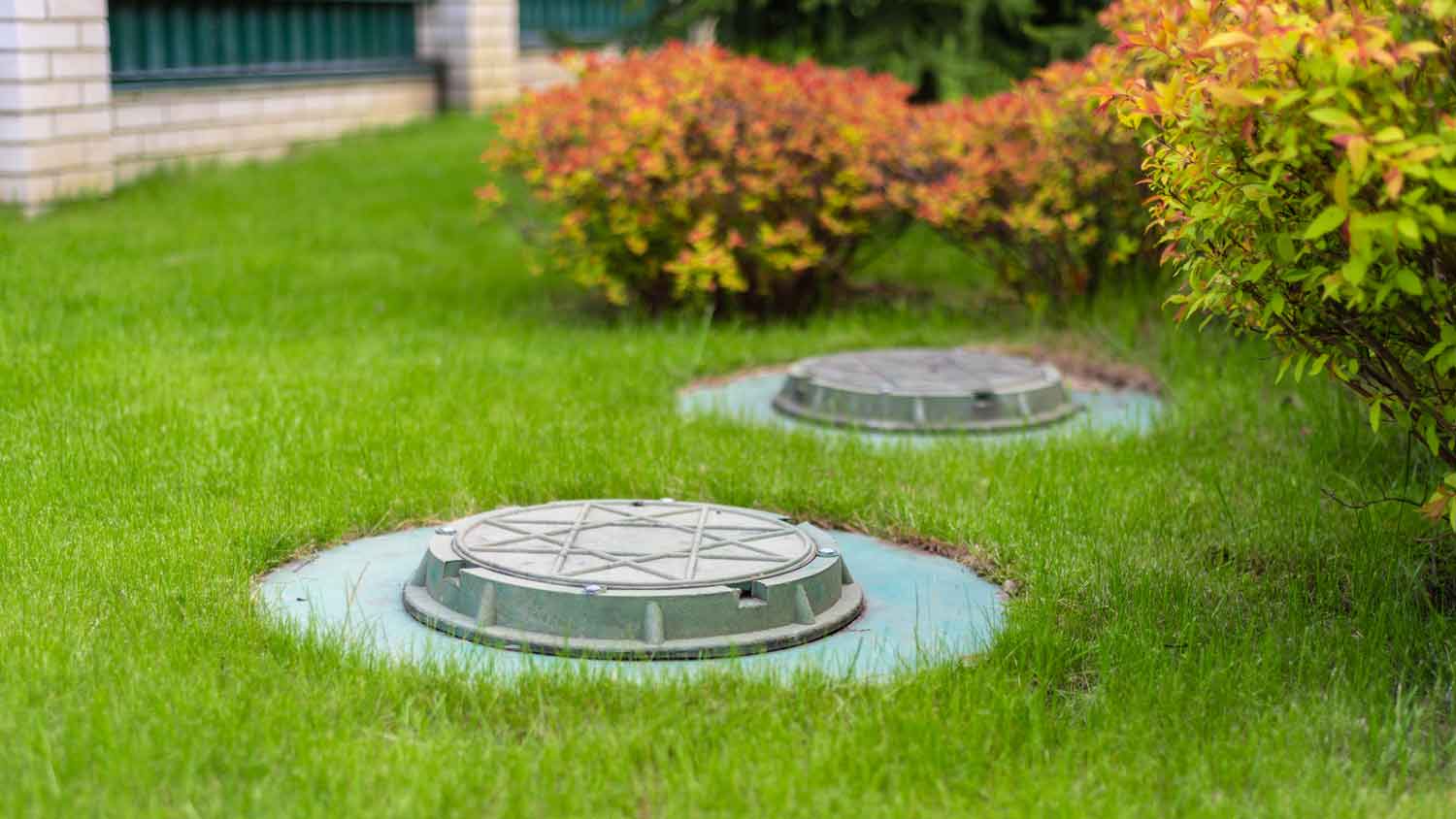
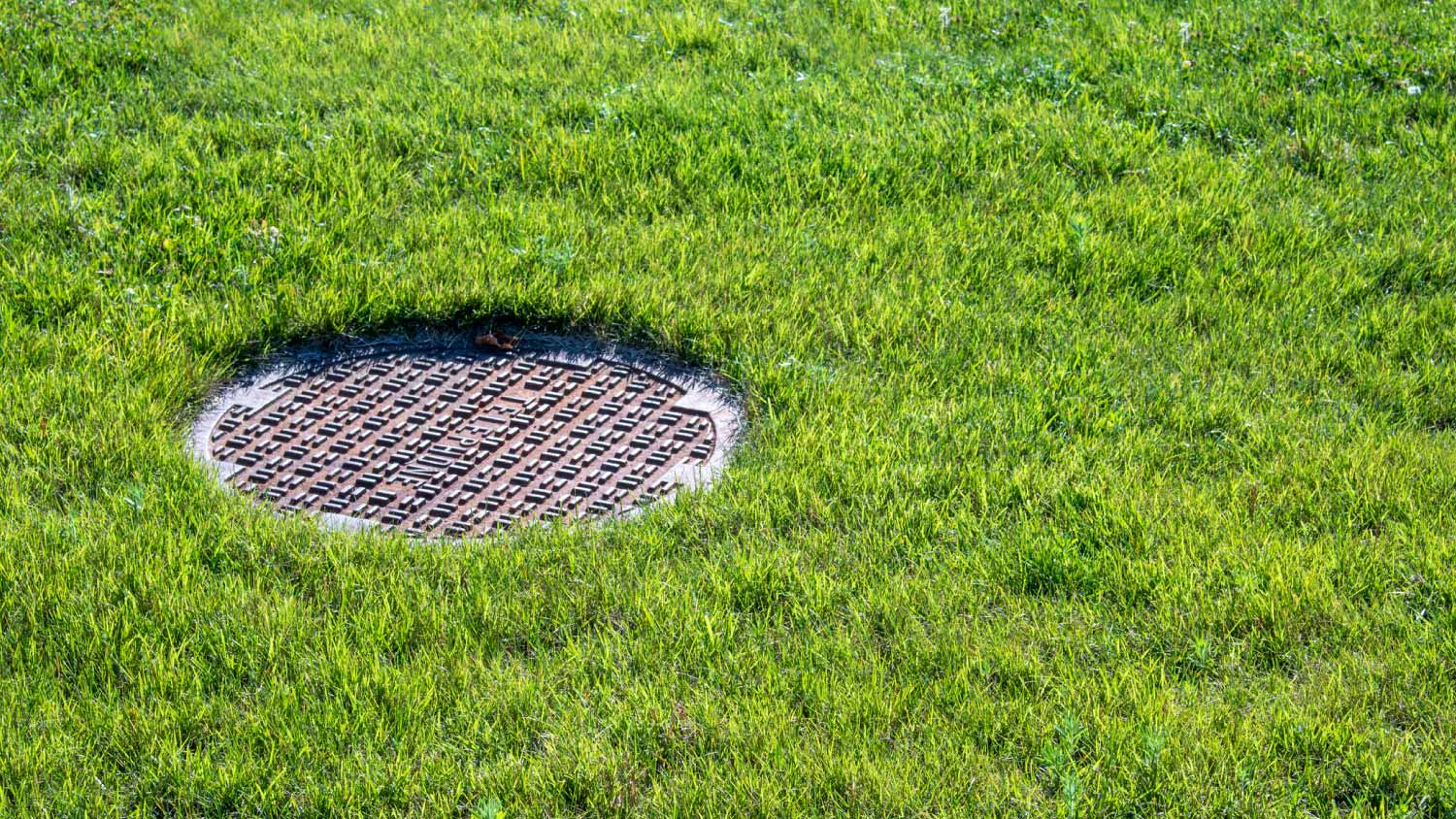
There are three layers of wastewater in a septic tank: scum (solid waste that floats to the top of the wastewater), liquid (the relatively clean liquid wastewater in between the two other layers), and sludge (solid waste that falls to the bottom of the wastewater). The buildup of sludge is one of the main reasons septic tanks need to be pumped. If the tank is more than 1/3 of the way full with a combination of sludge and scum, it’s time to call a pro for pumping.
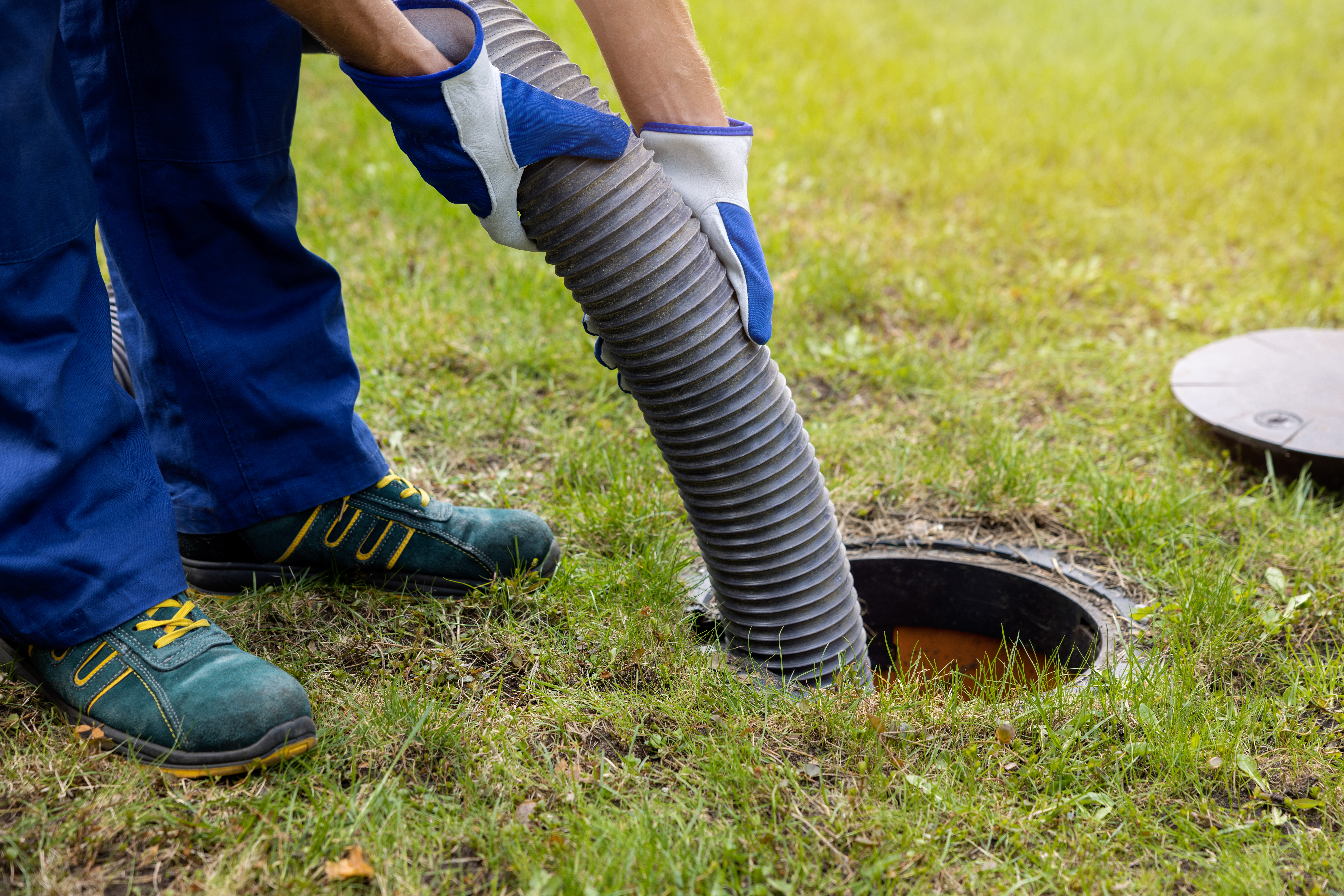
You only need to pump the septic tank. The leach field allows the liquid and waste to naturally seep into the ground, so there’s no need to pump the leach field. You should call a local septic tank pumping service to remove the materials from the tank every three to five years. Without pumping the septic tank occasionally, solids could flow into the leach field pipes and clog them.
The Hoffman, MN homeowners’ guide to septic tank services
From average costs to expert advice, get all the answers you need to get your job done.
Caring for your septic system is crucial to ensuring its long life. But how much does it cost to pump a septic tank? We explore the different cost factors.
A damaged septic system can leak odors and sewage, so repairs are urgent. Find out how much septic tank repair costs based on repair type, tank size, and more.
Septic tank risers make it easy to access your septic tank when it’s time for routine inspection, maintenance, and pumping, saving you precious time and labor costs.
Septic tank sizes vary depending on the size of your home, how many people live there, how much water you use, and more. Read on to learn how to determine the right size for you.