






Mulchinator Land Management, LLC is a locally owned and operated company that values honesty and integrity and treats your home as if it were our own. You will find us to be competitively priced while still paying close attention to the details of each and every project we are involved with. We look forward to building lasting relationships and guarantee your satisfaction. Give us a call today to get your project started.
"I just pay $75 you never know who's going to come out. They do everything electrical. Just about everything is covered except the septic tank. I had an air conditioner replaced. It went great, all I had to do was pay for the freon. He didn't charge e more than what was needed."
Jay's Digging Service LLC is the premier professional company offering residential services to our clients in the Montevideo area. We are known to pay exquisite attention to detail while making your satisfaction our number one priority. \n\nPlease call us today to schedule your appointment with Minnesota's true professionals at work for you!
A septic system's lifespan typically ranges from 15 to 40 years, with a common average of 20 to 30 years. The longevity heavily depends on the tank's material, maintenance diligence, and usage habits. With proper care, lifespans can reach the upper end of this range.
Lifespan by Tank Material:
Concrete: 20 to 40 years
Plastic or Fiberglass: 30 to 40 years
Steel: 15 to 20 years
To maximize your system's lifespan, follow these maintenance best practices:
Regular Pumping and Inspections: Have the tank pumped every three to five years and schedule professional inspections regularly.
Mindful Usage: Only flush human waste and toilet paper. Avoid putting items like cat litter, paper towels, cigarette butts, fats, grease, oils, or coffee grounds down your drains.
Avoid Chemicals: Do not pour harsh chemicals into the system.
Water Conservation: Reduce the amount of wastewater your system has to process.
Protect the Drain Field: Avoid driving or building heavy structures over the drain field area.
If your well pump is running continuously (meaning without turning off or stopping), it's a sign that your well pump is starting to break down. The length of time your well pump should cycle is dependent on many factors, like the tank size, pressure setting, and even the amount of water in your well. Generally, your well pump should cycle, or go from running to not running every few minutes.
Signs that your well is dry include a decrease in water pressure, strange odors coming from faucets, cloudy, bubbly, or discolored water, and water that’s warmer than normal. Signs that your well pump is bad are similar, but you may also notice higher-than-average electric bills, strange clicking sounds, and faucets that spit or sputter.
There are a lot of issues that can cause a septic tank to collapse. Those include failing to regularly pump or service it every three to five years, placing too much weight atop the system—by parking your car on top of it or because of a heavy snow buildup for instance—or because of structural damage done by overgrown tree roots.
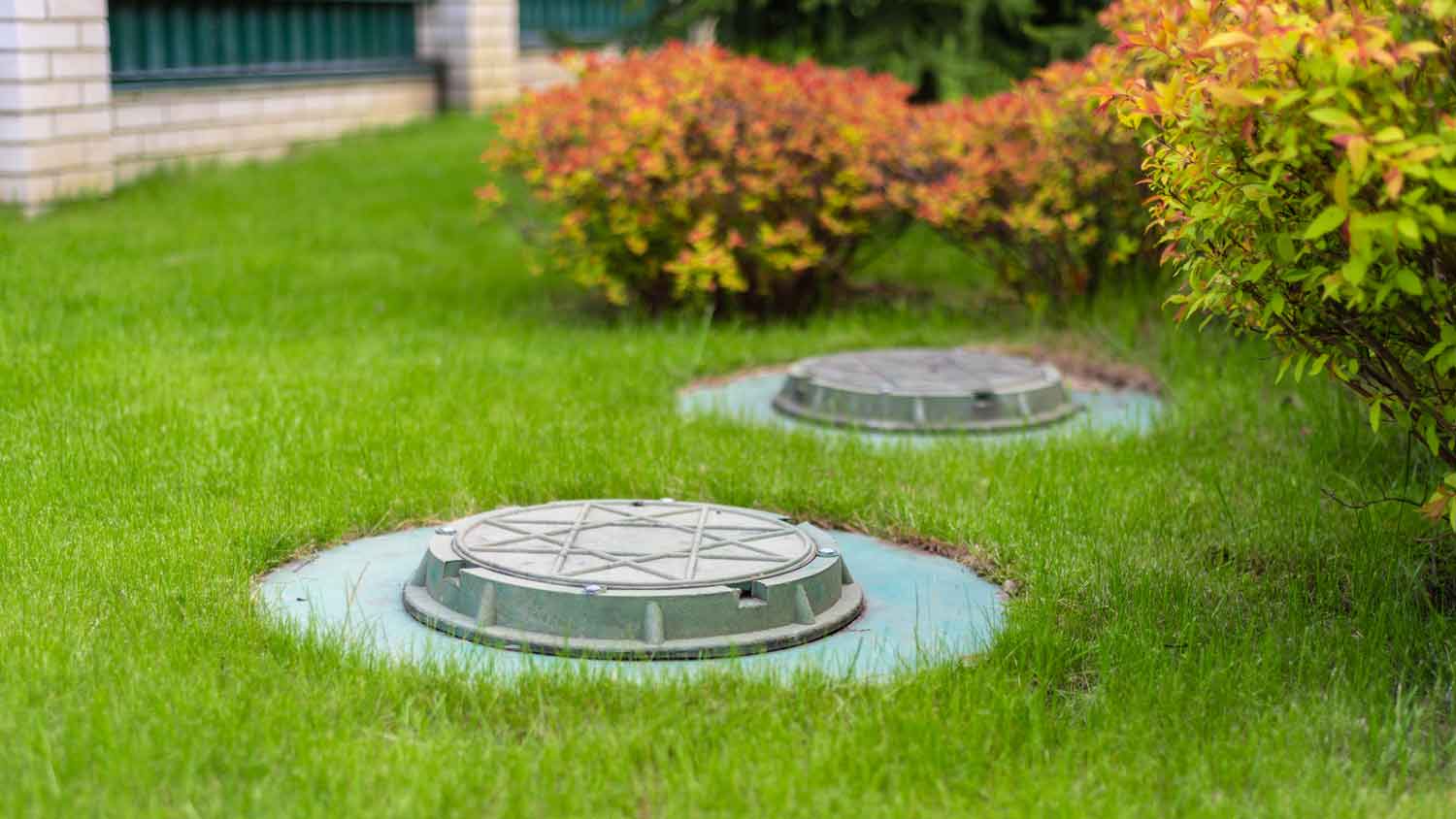
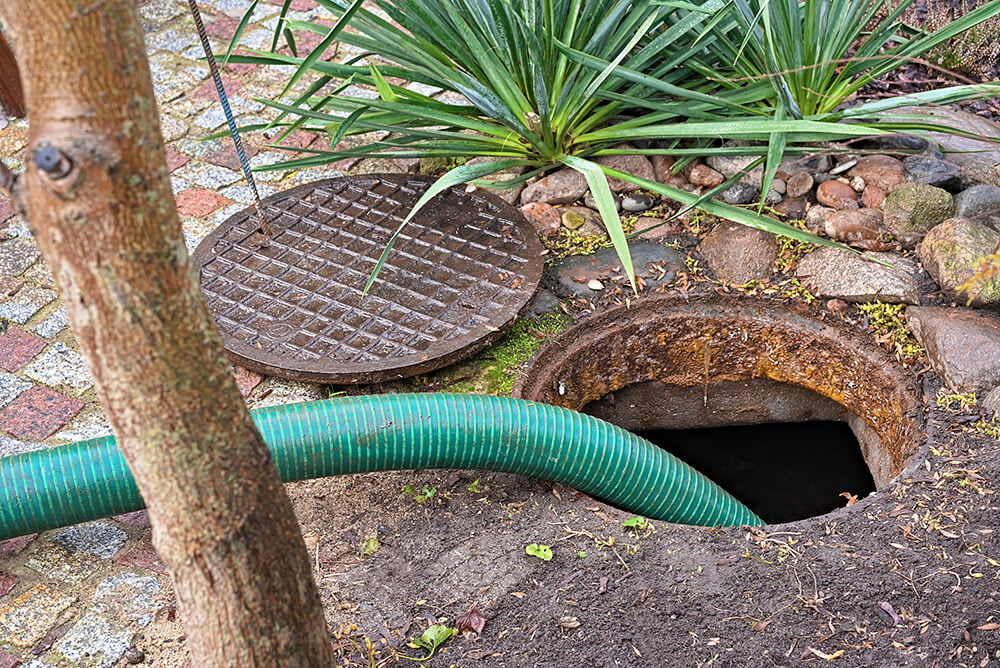
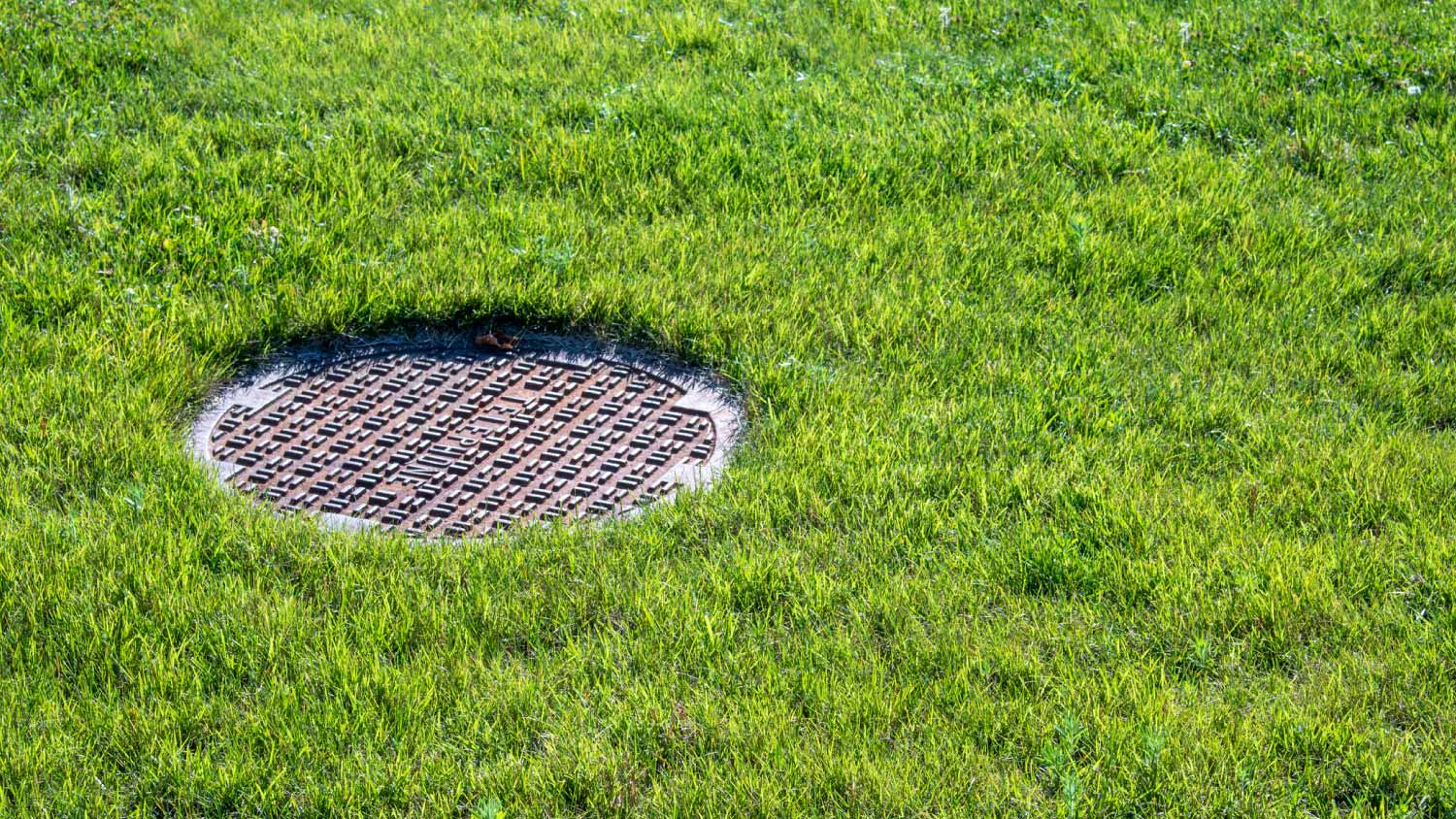
A septic tank is an underground container that collects and holds wastewater until it’s sufficiently filtered and broken down. It treats wastewater by separating waste so the leftover liquid can travel into the drainfield where the soil and gravel eventually filter and purify it. This process naturally eliminates bacteria, viruses, and other contaminants.
The Lowry, MN homeowners’ guide to septic tank services
From average costs to expert advice, get all the answers you need to get your job done.
Caring for your septic system is crucial to ensuring its long life. But how much does it cost to pump a septic tank? We explore the different cost factors.
A damaged septic system can leak odors and sewage, so repairs are urgent. Find out how much septic tank repair costs based on repair type, tank size, and more.
Septic tank risers make it easy to access your septic tank when it’s time for routine inspection, maintenance, and pumping, saving you precious time and labor costs.
Septic tank sizes vary depending on the size of your home, how many people live there, how much water you use, and more. Read on to learn how to determine the right size for you.