

Top-rated excavation pros.

Get matched with top excavation pros in Hines, MN

Enter your zip and get matched with up to 5 pros

Need a pro for your excavation project in Hines, MN?

Select your specific project to find the pro for you.

Find Excavation pros in Hines

Dean's Tank Corporation
4.7(
17
)

Serving Hines, MN and surrounding areas

In business since 1987

Free estimates

Offers commercial services

"This company was quick to respond to my need, setting up a time the very day we spoke. The service technician called when he was on his way, giving a good ETA, and was responsive and polite during our interactions. He reviewed the tight area and the job to remove two old, large fuel oil tanks from the back of the property, and then just got it done. Billing was super easy as he produced the invoice right there. I would recommend Dean's for any similar project."
BTR
BTR II
UST 1
UST 2
UST excavated

+6

Response time2 days
Recommended by100%of homeowners
Ruff It Up Construction
4.0(
4
)

Serving Hines, MN and surrounding areas

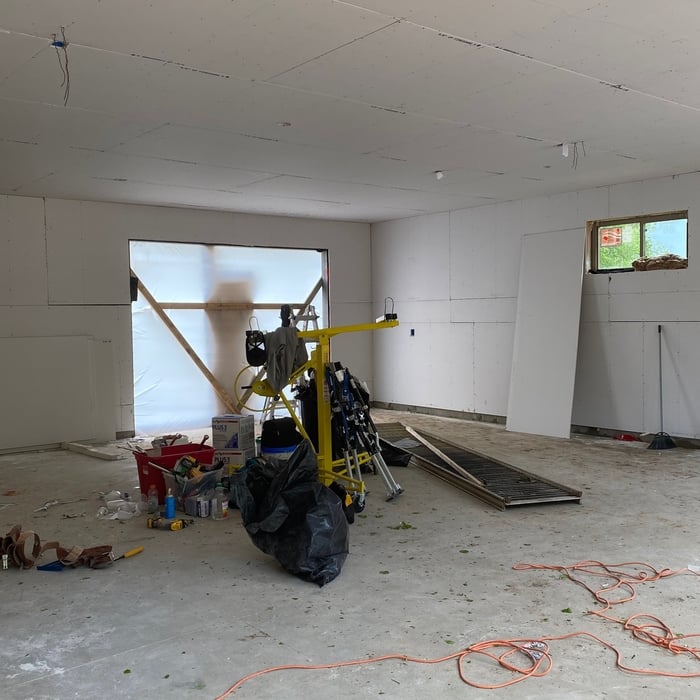
"The team was prompt and very detailed, was able to pivot and suggest little changes that improved the overall look. They reconstructed a soffit and several bathroom and bedroom walls to enhance the appearance. I asked for non textured ceilings and they are flawless. Great communication throughout the job…I will rehire again in the future!!"
Drywall
Garage
Mudding
Drywall
Garage

+19

Recommended by75%of homeowners
Excavating questions, answered by experts

Most residential basements are 8 to 10 feet deep. You can dig deeper depending on building codes, but it does become more difficult. You’ll likely need to install stronger foundation walls and additional supports to handle the increased load. Depending on the water table, you may also need a water management system. Clay soil can support a deeper foundation than sandy soil. A structural engineer will be able to tell you the maximum, feasible depth.

There is no standard depth for burying a septic tank; they are typically buried anywhere from 4 inches to 4 feet underground. The final depth depends on several factors, including the depth of your main sewer line, the height of the bedrock, soil type, local regulations, and the property's landscape. If you plan to grow grass or plants over the tank, a depth of at least 4 to 6 inches is recommended. Deeper tanks can be more difficult to locate, but a septic professional can help find it for you.

Yes, you can install a trench drain if you already have concrete in your yard or garden. While it can complicate some aspects of the job and slightly run up the cost, it is doable. Residential trench drains can be easily retrofitted to outdoor areas with concrete without having to remove excessive amounts of your patio, pool area, or decorative walkways.

Septic drain lines (or leach lines) are typically buried between 18 and 36 inches underground, and should be at least 6 inches below the surface. These pipes are perforated and surrounded by filtering materials like sand or gravel. Burying the lines at this depth helps minimize odors and allows bacteria and other biological processes in the soil to effectively treat the wastewater. Burying lines too close to the surface can cause issues unless the soil is very compact and stable.

Depending on the severity of the freeze and the method used, thawing frozen underground pipes can take anywhere from 30 minutes to several hours. Applying heat directly to the pipe using heat tape, infrared lamps, or hot water jetting can speed up the process. However, patience and careful monitoring are key to avoiding pipe damage.

The Hines, MN homeowners’ guide to excavation services

From average costs to expert advice, get all the answers you need to get your job done.

What do you need done? We’ll find top pros.
  • 🌱 "Mow a small front yard"
  • 🛠 "Fix a leaking pipe under the sink"
  • 🏠 "Repair shingles on an asphalt roof"