



Top-rated excavation pros.

Best excavation pros near Cass Lake, MN

Enter your zip and get matched with up to 5 pros

Need a pro for your excavation project in Cass Lake, MN?

Select your specific project to find the pro for you.

Top-Rated Excavation pros in Cass Lake - Updated Nov 2026

Avatar for Halverson Lawn Care
Halverson Lawn Care
5.0(
8
)
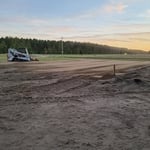
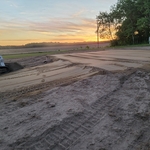
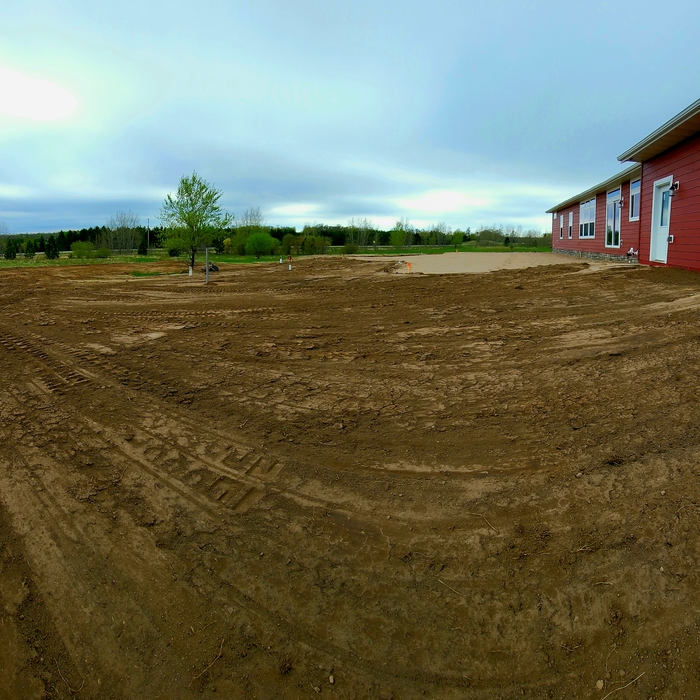
Landscape - Minor Grading or Resloping

Serving Cass Lake, MN and surrounding areas

In business since 2018

Free estimates

Small jobs welcome

"Nick does a great job. Heâ  s very reliable and performs the lawn care service with a very professional manner. Itâ  s been a positive experience dealing with Nick at Halverson Lawn Care."
Mowing
Mowing
Mowing
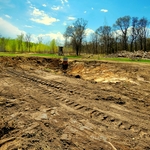
Before photo of the bank job

+10

Response time5 hrs
Recommended by71%of homeowners
Ruff It Up Construction
4.0(
4
)
Building Site - Preparation and ClearingBuilding Site - Preparation and Clearing - For BusinessExcavation - Major Grading or Resloping+2 more

Serving Cass Lake, MN and surrounding areas

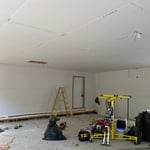
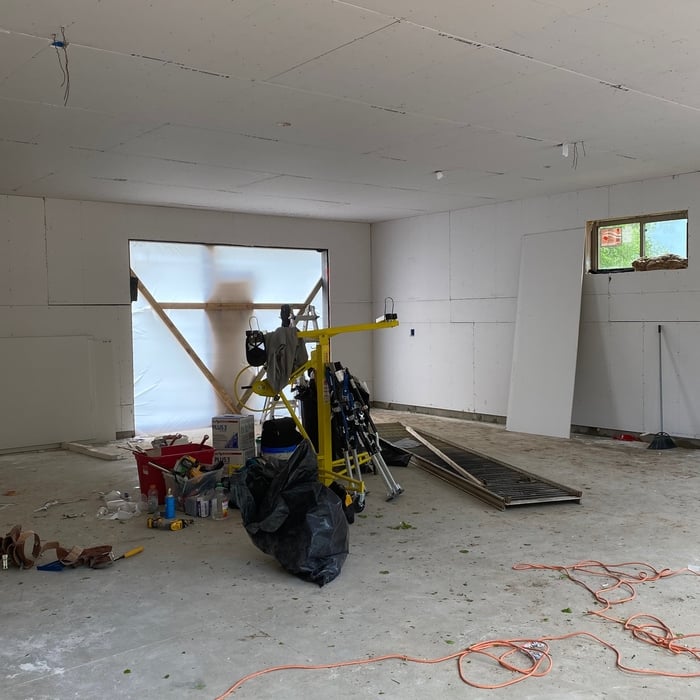
"The team was prompt and very detailed, was able to pivot and suggest little changes that improved the overall look. They reconstructed a soffit and several bathroom and bedroom walls to enhance the appearance. I asked for non textured ceilings and they are flawless. Great communication throughout the job…I will rehire again in the future!!"
Drywall
Garage
Mudding
Drywall
Garage

+19

Recommended by75%of homeowners
Showing 1-10 of 26
Excavating FAQs, answered by experts

Depth is not a qualifying component of evacuation. Any human-made cut, cavity, or depression in the earth’s surface is considered excavation. The hole from excavation can be any size, shape, or depth. Excavation is used to create foundations, reservoirs, drainage ditches, and roads. Long, narrow excavations are called trenches and are often used for underground utilities.

Septic drain lines (or leach lines) are typically buried between 18 and 36 inches underground, and should be at least 6 inches below the surface. These pipes are perforated and surrounded by filtering materials like sand or gravel. Burying the lines at this depth helps minimize odors and allows bacteria and other biological processes in the soil to effectively treat the wastewater. Burying lines too close to the surface can cause issues unless the soil is very compact and stable.

The best way to protect tree roots is to avoid the roots entirely by excavating outside the root radius of the tree. For nearby projects, it’s a good idea to construct a temporary retaining wall. But that’s not always possible, depending on the project and the root system. In these cases, consider using alternative equipment like an auger to tunnel under the ground.

Remember, tree roots can damage nearby cement foundations as they grow. If a tree is close enough to interfere with large excavations, it may be better to remove the tree than risk future problems.

Water lines are buried at various depths, depending on the type of line. For example, most sprinkler lines are buried between four and 12 inches underground. On the other hand, water mains usually sit between one and 3 feet below ground. However, they can go even deeper in cold climates to prevent freezing.

It takes one hour to dig a 10-foot trench by hand. Use a trenching shovel with a sharp tip and a long head. Plan for more time if your soil is heavy or rocky. Consider renting a trencher if you’re digging a long or deep trench or if you have challenging soil or terrain. 

The Cass Lake, MN homeowners’ guide to excavation services

From average costs to expert advice, get all the answers you need to get your job done.