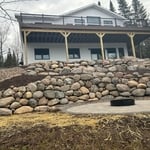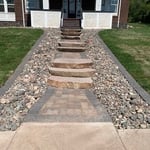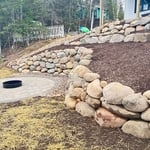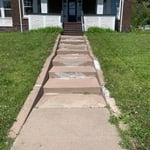







Top-rated excavation pros.

Best excavation pros near Coleraine, MN

Enter your zip and get matched with up to 5 pros

Need a pro for your excavation project in Coleraine, MN?

Select your specific project to find the pro for you.

Top-Rated Excavation pros in Coleraine - Updated Nov 2026

Northern Lakes Property Maintenance LLC
New to Angi
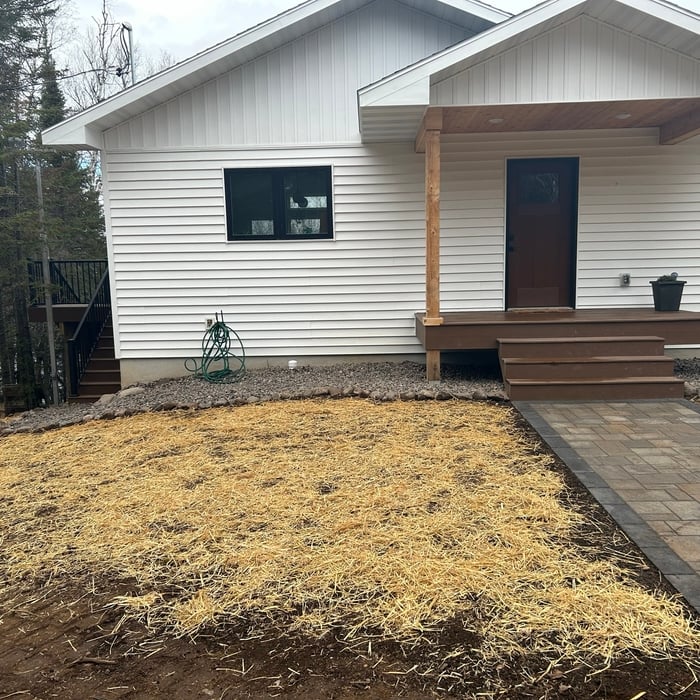
Landscape - Minor Grading or Resloping

Serving Coleraine, MN and surrounding areas

Approved

In business since 2022

Free estimates

Credit card accepted

We are a locally owned and operated company that values honesty and integrity and \ntreats your home as if it were our own. We offer a variety of General Contractor services \nthat are customizable to each individual project. You will find us to be competitively \npriced, paying close attention to the details of each and every project that we are involved with. We look forward to building lasting relationships and guarantee your satisfaction!

Response time1 day
Showing 1-10 of 22
Excavating FAQs, answered by experts

The average cost for pool excavation is $2,500. This cost can range from $450 to $4,500, depending on the pool shape and size, time of year, and any need to move buried utilities. 

When excavating for your pool, you might have to move existing utilities. You can expect to pay an additional $15 to $25 per linear foot to move gas lines. To move a septic system, it’ll cost an additional $2,000 to $20,000. A pool that is 10 feet by 12 feet averages $450 to excavate, and a 20-foot-by-40-foot pool averages $3,020.

Yes, professional installations include trenching or borehole drilling required for ground loops.

Dumpsters work best on hard, study, and level surfaces made of asphalt, stone, or concrete. If the surface is uneven or too soft, the dumpster could get stuck or tip over when filled. Keep in mind that you must obtain a dumpster permit to keep it on a city street in many areas.

Downspouts should be buried at least 5 to 10 feet away from your foundation. This can vary depending on your local building codes, soil type, and property slope. The main goal is to ensure water is directed away from your foundation.

Septic drain lines (or leach lines) are typically buried between 18 and 36 inches underground, and should be at least 6 inches below the surface. These pipes are perforated and surrounded by filtering materials like sand or gravel. Burying the lines at this depth helps minimize odors and allows bacteria and other biological processes in the soil to effectively treat the wastewater. Burying lines too close to the surface can cause issues unless the soil is very compact and stable.

The Coleraine, MN homeowners’ guide to excavation services

From average costs to expert advice, get all the answers you need to get your job done.