
Top-rated leaf removal pros.

Get matched with top leaf removal pros in Big Lake, MN

Enter your zip and get matched with up to 5 pros

Need a pro for your leaf removal project in Big Lake, MN?

Select your specific project to find the pro for you.

TRUSTED BY BIG LAKE, MN HOMEOWNERS

  • Average homeowner rating star icon4.4
    Average homeowner rating
  • Verified reviews icon82
    Verified leaf removal services reviews

Find Leaf removal pros in Big Lake

Avatar for DOKS Restoration and Remodel
DOKS Restoration and Remodel
5.0(
4
)
Waste, Junk, Building Materials and Debris - Remove and Haul

Serving Big Lake, MN and surrounding areas

Approved

In business since 2004

Emergency services offered

Warranties offered

DOKS restoration and Remodel\nis committed to excellence in every aspect of our business. We uphold a standard of integrity bound by fairness, honesty, and personal responsibility. Our distinction is the quality of service we bring to our customers. Accurate knowledge of our trade combined with ability is what makes us true professionals. Above all, we are watchful of our customers' interests and make their concerns the basis of our business.

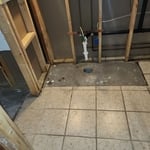
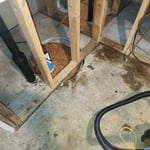
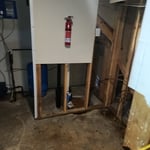
demo clean
demo clean
demo clean
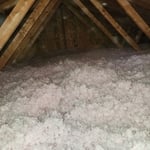
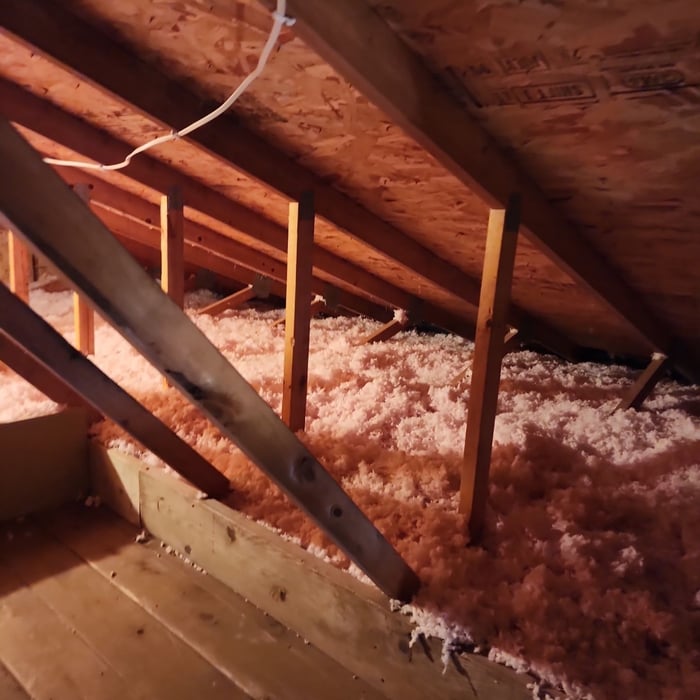
top off insulation
top off insulation

+2

Response time40 mins
Recommended by75%of homeowners
...
Showing 1-10 of 220
Leaf Removal questions, answered by experts

Lead removal services typically cost between $1,000 and $5,000, depending on the extent of lead presence, the property size, and the complexity of the abatement process.

Some companies offer hazardous waste removal, but additional fees and special handling procedures may be required.

The best way to remove lead paint is by wet hand sanding and removing all dust and residue with a HEPA vacuum. Professionals may also strip and scrape lead-based paint with a paint scraper. In some cases, you may choose to have a pro encapsulate or enclose your lead-based paint surface by covering it with a sealant or a new material. You may also choose to replace the material altogether.

According to the Environmental Protection Agency (EPA), hazardous waste is generally classified into four main categories:

1. Characteristic Wastes: These exhibit at least one of four hazardous traits: ignitability (flammable, like gasoline), corrosivity (can rust or decompose materials, like car batteries), reactivity (unstable and can explode, like aerosol cans), or toxicity (harmful when ingested, like lead-based paint).

2. Listed Wastes: These are specific wastes from manufacturing and industrial processes that the EPA has officially designated as hazardous. They include byproducts from processes that use solvents, pesticides, and other chemicals.

3. Universal Wastes: These are commonly generated hazardous items that are subject to streamlined regulations. Examples include batteries, pesticides, mercury-containing equipment (e.g., bulbs), and some lamps.

4. Mixed Wastes: This category includes waste that contains both hazardous and radioactive components, making it subject to regulation by both the EPA and the Nuclear Regulatory Commission.

Hazardous waste is waste that poses a threat to human or environmental health. This generally refers to waste that is flammable, corrosive, toxic, or reactive. To confirm if the waste you need to remove is considered hazardous waste, contact your local hazardous waste facility.

The Big Lake, MN homeowners’ guide to leaf removal services

From average costs to expert advice, get all the answers you need to get your job done.