
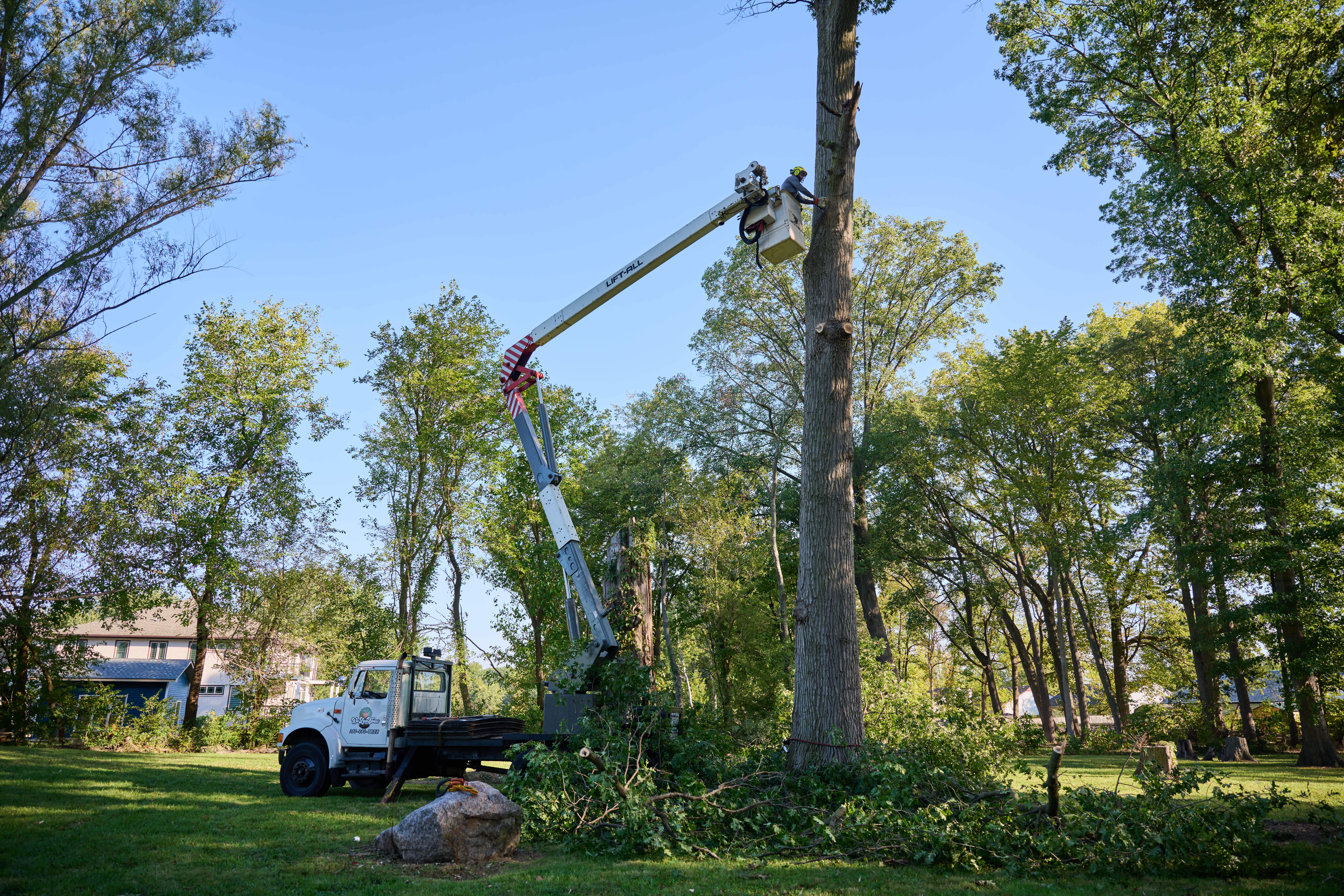
The most significant factor in tree removal costs is the amount of debris. Read on to learn more about the average tree debris removal costs in Minneapolis, MN.
Tree service costs depend on your project and location. Check with a local pro for your specific job.

The cost to remove a tree in Minneapolis is 5% more than the national average.
Minneapolis has many tall, older trees, which cost more to remove.
Dense, urban areas in Minneapolis require more careful removal, which increases prices.
Minneapolis’ cold winters limit the working months for tree removal contractors.
Tree removal costs in Minneapolis, Minnesota, are roughly 5% higher than the national average. Expect to spend between $210 and $2,096 for tree removal, or an average of $786, to have a tree removed from your Minneapolis property. The higher costs reflect the denser population of taller, older trees, as well as shortened trimming seasons because of Minneapolis’ cold, icy winters.
Several factors impact the cost to remove a tree in Minneapolis, MN, including the size and type of tree, debris removal and cleanup, and the location and ease of access. Here are a few considerations specific to the City of Lakes:
Minneapolis has a wide range of tall, older trees, including red maples, sugar maples, white ashes, yellow birches, eastern white pines, white oaks, and hackberries. Taller, older trees like these, especially those with deeper root systems, cost more to remove.
In Minneapolis’ denser, urban areas, access to the trees can be more challenging, and there needs to be more careful considerations for power lines, cars, and nearby buildings when cutting down the trees.
Minneapolis is known for its cold winters; cold temps start in late fall and continue through early spring. This shortens tree removal season, meaning contractors are in higher demand in warmer months and can charge more for their services.
A tree's size affects several main tree removal cost factors—how long it takes to cut down, the accessibility to higher branches, and possible interference from other trees, power lines, or structures. For example, take a look at the primary tree removal price ranges by size:
| Tree Size | Average Cost |
|---|---|
| Up to 30 feet | $160–$480 |
| 30–60 feet | $480–$1,300 |
| 60–80 feet | $850–$1,600 |
| Over 80 feet | $1,050–$2,100 |
The price tends to increase once the tree grows over 80 feet high. At this stage, your team will need to bring in a crane to access its branches, which will cost about $530, including the truck rental and additional staff.
Also, keep in mind that trees get wider with age, making the diameter of their trunk more difficult and take longer to cut. In many species, branches and root systems also expand quite far in either direction, adding up to a possible multi-day project to safely remove the tree from the area without affecting other utilities.

Some trees can grow to a very stately 100 feet tall or more. American ash, bur oak, and maple are considered to be more difficult to remove than others, and therefore, removing them costs more. Here are the costs for various types of tree removal:
| Type of Tree | Average Removal Cost | Important Details |
|---|---|---|
| Oak | $210–$2,100 | Some states forbid the removal of these heritage trees |
| Japanese Knotweed | $2,100–$10,500 | Highly invasive shrub, some states prohibit their possession |
| Aspen | $1,100–$1,900 | Enormous poplar tree, have complex root systems |
| Pine | $260–$1,600 | Older pine trees may have a tap root buried in the soil, requiring specialist removal |
| Palm | $680–$1,600 | Extremely heavy, expensive to remove |
| Maple | $260–$2,100 | Can grow 100 feet high and have large branches |
| Ash | $260–$1,900 | Striking leaf colors in Autumn, can reach 80 feet in height |
| Cedar | $260–$1,600 | False cedars are common in North America while “true” cedars are native to places with high altitudes |
Most of the time, you aren’t going to want to keep the tree stump after the tree is removed. Removing a tree can also leave behind a trail of branches, bark, leaves, and the tree itself. The company might haul away your tree for about $80, put it through a chipper for an average cost of $100, or split it into firewood for your home at about $80.
Location and accessibility also impact the cost to remove trees in Minneapolis. If you live downtown or in a more urban area of the Twin Cities, removing trees can be more challenging, as you have to account for nearby structures, cars, and power lines. This can add to the cost.
Most of the cost of tree removal is related to the labor; you’re paying for your pro’s time and specialized equipment. Though professional tree removal can get expensive, it’s crucial that you always hire a Minneapolis tree removal service, rather than attempt to remove the tree yourself.
A pro can help you navigate all the proper permits and restrictions specific to Minneapolis, and they’ll also have access to specialized equipment to remove the tree safely.
You shouldn’t expect to increase your home value by removing trees. In fact, homeowners are often attracted to homes with mature trees, which are abundant in an older city like Minneapolis.
However, you can actually lower the value of your home by neglecting to remove dead or dying trees, or trees that pose an obvious danger. Removing these before listing your home can help with curb appeal and avoid scaring off potential buyers.
To help homeowners plan their next project, Angi provides readers with carefully researched cost data and upholds strict editorial standards. We start with national average project costs, which we collect by analyzing competitor information, retailer material costs, and input from professional contractors. We then apply local price index data to calculate location-specific estimates that reflect what homeowners typically pay in their local area. To do that, we use data from the U.S. Bureau of Economic Analysis (BEA), including its Regional Price Parities (RPPs), which measure price differences across cities. This helps us account for differences in labor, materials, and overall cost of living, so estimates in higher- or lower-cost areas better reflect real-world local pricing.
Every estimate undergoes a thorough editorial review to verify accuracy, consistency, and alignment with observed market conditions.
Want to help us improve our cost data? Send us a recent project quote to [email protected]. Quotes and personal information will not be shared publicly.
I have used Tall Oaks Tree Service a couple of times and they have done a great job trimming our trees at a reasonable price. They were even able to help out in an emergency situation with short notice. I've been satisfied with their work and friendliness and I highly recommend Tall Oaks Tree...
 Tall Oaks Tree Service
Quick, communicative, same-day tree removal service. Cleaned up beautifully and made sure not to damage our landscape lighting. Definitely recommend!
 Garcia Landscaping
Andres and his team trimmed a very large tree that was growing over my power lines and my neighbor's as well. The tree needed significant work and they did an excellent job. Professional, timely, and the cleanup was thorough. I had been putting off this project for awhile, I am so glad I...
 Trimmers
They are very skilled at controlling the cutting of the tree, part by part, and maintaining safety of personnel and property . They observed our wishes to leave the trunks and branches in the back yard so that we could maximize our use of the tree for firewood.
 Geo Tree Service
Expert tree was very thorough and professional from the start. They put together a detailed bid and project proposal, they cut down the overgrown trees and trimmed what needed trimming. I highly recommend them!
 Expert Tree Service and Science
Provided a very reasonable estimate for the requested work, as well as separate notes about possible additional work on the tree (others folded the additional work into the estimate, contrary to my request). Scheduled the work promptly, communicated (by text-preferred) well, did the work...
 Technical Tree Care
The came early in the morning and had the tree off my roof an hour after they showed up. The charged us 1/3 of the price that we were quoted by another group and they did it immediately.
 FC Tree Service, LLC
Exceptional work, I highly recommend FC Tree Service. They are professional, Prompt, Excellent work crew. I appreciate their service and they were very accommodating. What really amazed me was the willingness to negotiate pricing which I could afford.
 FC Tree Service, LLC
Love these guys! Reasonable estimate. They were able to get the work scheduled quickly and at a time that worked for us. The crew of four was prompt, polite and efficient. I'm sad to see the backyard trees go, but they were able to help me make that decision. The unruly "undead" front yard...
 Sorenson Tree Service, LLC
We highly recommend Josh after the great experience we had. He was thoughtful about the health of the trees and went beyond our expectations with how thoroughly, efficiently and professionally he handled the project. We've had different tree services in the past, but will only use Josh...
 OberTree, LLC
From average costs to expert advice, get all the answers you need to get your job done.
The most significant factor in tree removal costs is the amount of debris. Read on to learn more about the average tree debris removal costs in Minneapolis, MN.
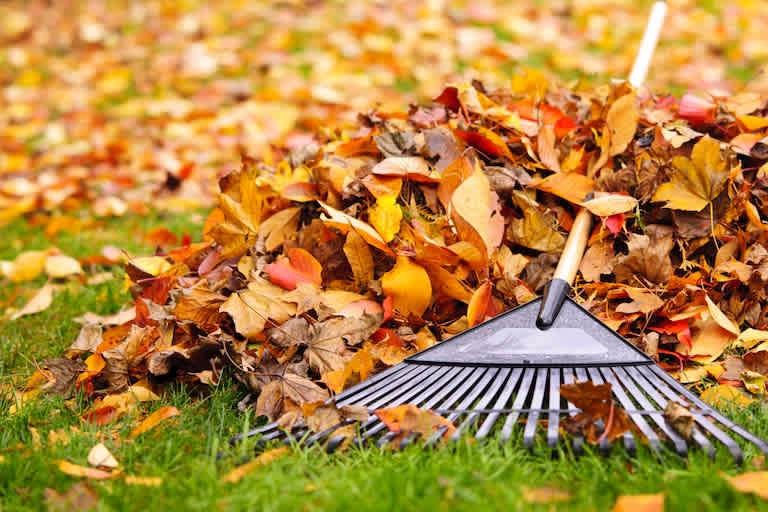
Find out the average leaf removal cost in Minneapolis, MN. Learn what you can expect to pay for local yard clean-up and get your lawn ready for winter.

Find out the average junk removal cost in Minneapolis, MN. Learn what you can expect to pay for local waste hauling services and reclaim your space today.

Weather getting colder? The cheapest time of year for tree removal is right on the horizon. This guide will show you how to plan your project and save.
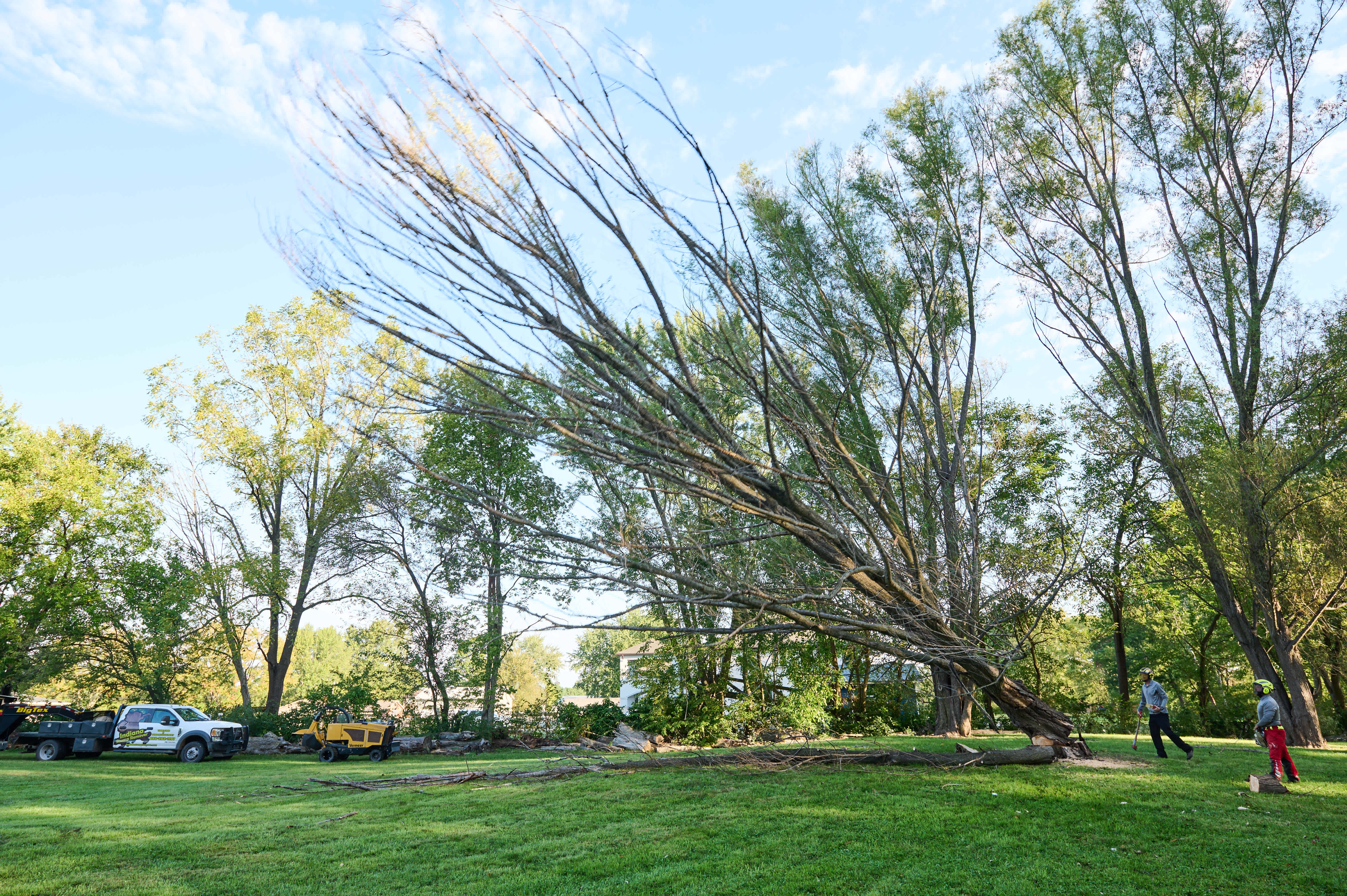
Need a tree removed from your yard? Learn how to negotiate tree removal to get the best rates on having dangerous trees removed from your property.
Find out the average bat removal cost in Minneapolis, MN. Learn what you can expect to pay for local wildlife control and bat exclusion services today.