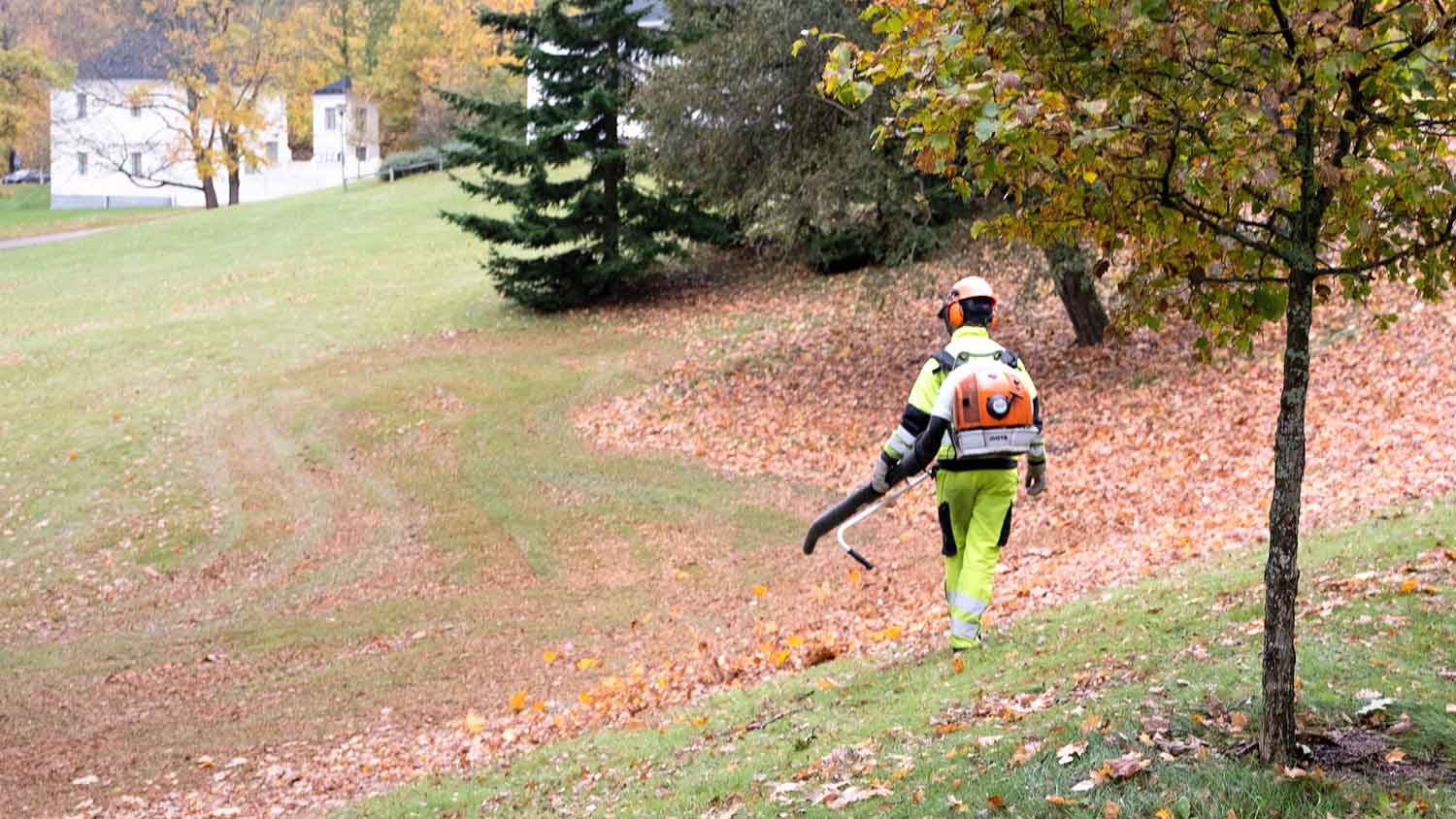
Top-rated leaf removal pros.

Get matched with top leaf removal pros in Clearwater, MN

Enter your zip and get matched with up to 5 pros

Need a pro for your leaf removal project in Clearwater, MN?

Select your specific project to find the pro for you.

TRUSTED BY CLEARWATER, MN HOMEOWNERS

  • Average homeowner rating star icon4.5
    Average homeowner rating
  • Verified reviews icon20
    Verified leaf removal services reviews

Find Leaf removal pros in Clearwater

Avatar for Twin Cities Waste & Transport
Twin Cities Waste & Transport
New to Angi
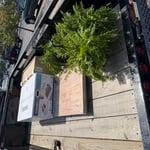
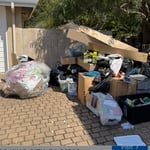
Waste, Junk, Building Materials and Debris - Remove and Haul

Serving Clearwater, MN and surrounding areas

Approved

Free estimates

Emergency services offered

Small jobs welcome

I’m Walter, owner of Twin Cities Waste & Transport, serving Minneapolis–St. Paul with reliable, efficient, and respectful waste removal and delivery services. I show up on time, communicate clearly, work hard, and leave every space better than I found it. Along with junk removal and cleanouts, I deliver anything from furniture and construction materials to landscape supplies like soil, sand, mulch, and rock. Whether you’re clearing out, building, or landscaping, I make sure what you need gets hauled, delivered, or removed safely and on schedule. My goal is to make your experience smooth, stress‑free, and worth calling me again.

Menards Delivery
Junk Removal
18 neighbors recently requested a quote
...
Showing 1-10 of 155
Leaf Removal questions, answered by experts

While not all homes built before 1978 contain lead paint, enough do, so you’ll still want to test to be on the safe side. The federal government banned lead-based paint for homes in 1978, but your state may have banned lead before that time. Around 24% of homes built between 1960 and 1977 contained lead-based paint, while 87% of homes built before 1940 contained lead-based paint.

Household products such as paints, cleaners, oils, and batteries are considered hazardous and should not be disposed of with regular household waste. Instead, look for local household hazardous waste collection facilities where you can safely dispose of these items without harming the environment or human health.

Professionals use appropriate equipment to prevent property damage and ensure efficiency.

You may see specialty products for sale to remove lead dust, such as D-Lead surface wipes. But you do not need to buy a special cleaner just for lead dust. A regular all-purpose cleaner, like 409 or something similar, is sufficient for cleanup. Just make sure to follow the manufacturer's directions when using it and to dilute with water.

According to the Environmental Protection Agency (EPA), hazardous waste is generally classified into four main categories:

1. Characteristic Wastes: These exhibit at least one of four hazardous traits: ignitability (flammable, like gasoline), corrosivity (can rust or decompose materials, like car batteries), reactivity (unstable and can explode, like aerosol cans), or toxicity (harmful when ingested, like lead-based paint).

2. Listed Wastes: These are specific wastes from manufacturing and industrial processes that the EPA has officially designated as hazardous. They include byproducts from processes that use solvents, pesticides, and other chemicals.

3. Universal Wastes: These are commonly generated hazardous items that are subject to streamlined regulations. Examples include batteries, pesticides, mercury-containing equipment (e.g., bulbs), and some lamps.

4. Mixed Wastes: This category includes waste that contains both hazardous and radioactive components, making it subject to regulation by both the EPA and the Nuclear Regulatory Commission.

The Clearwater, MN homeowners’ guide to leaf removal services

From average costs to expert advice, get all the answers you need to get your job done.