







Top-rated drywall pros.

Get matched with top drywall pros in Apple Valley, MN

Enter your zip and get matched with up to 5 pros

Need a pro for your drywall service project in Apple Valley, MN?

Select your specific project to find the pro for you.

TRUSTED BY APPLE VALLEY, MN HOMEOWNERS

  • Average homeowner rating star icon4.6
    Average homeowner rating
  • Verified reviews icon614
    Verified drywall services reviews

Find Drywall pros in Apple Valley

Avatar for Twin Cities Drywall
Twin Cities Drywall
5.0(
26
)
Drywall - RepairDrywall - InstallDrywall - Install - For Business+1 more

Serving Apple Valley, MN and surrounding areas

Approved

In business since 2013

Free estimates

Emergency services offered

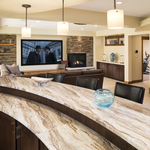
"I am a local building contractor and have used Twin Cities drywall numerous times over the past few years. Mark and his team were great to work with. The communication has always been great and they show up on time, and get jobs done within schedule. I would strongly recommend Twin Cities Drywall to anyone looking for drywall services in Minnesota."
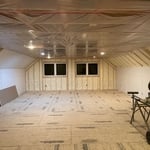
Attic room
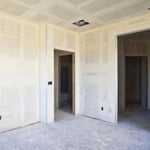
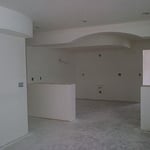
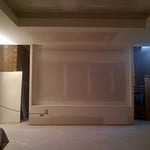
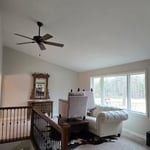
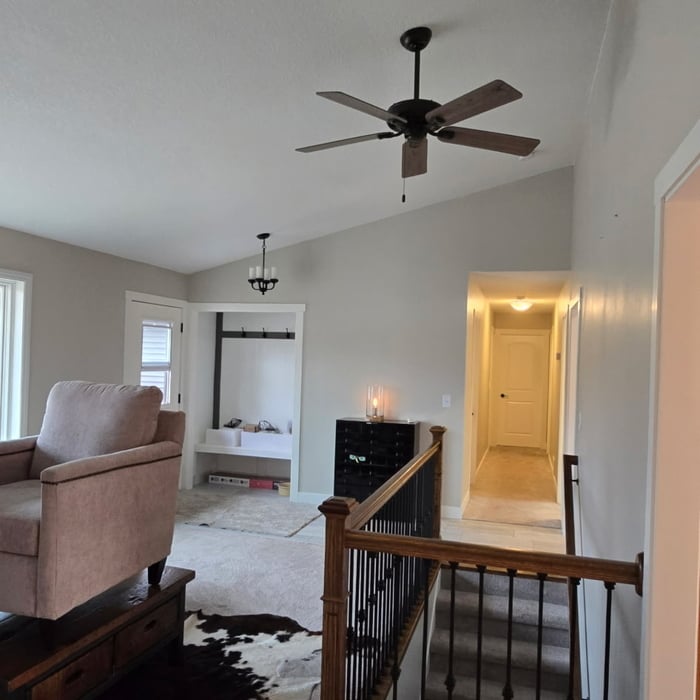
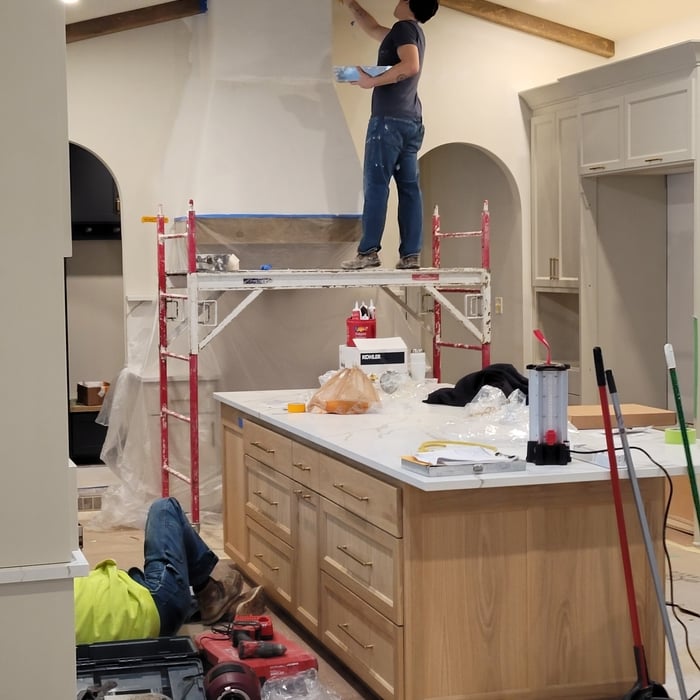
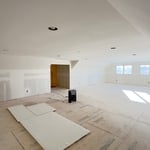
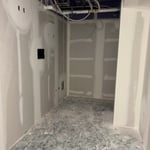
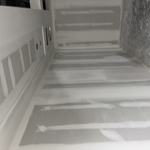
living room after drywall delivery (100+ sheets total) and scaffold set up
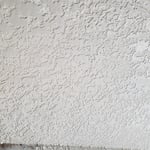
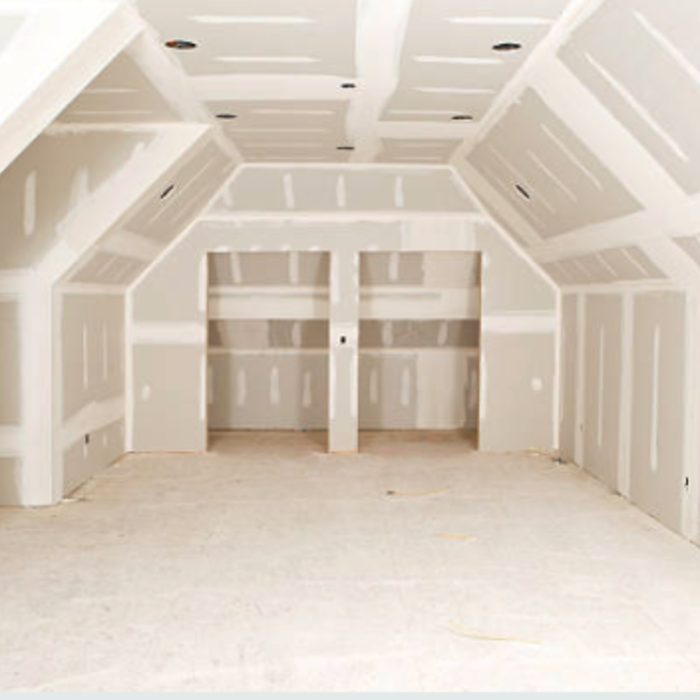
Attic room drywall standard level 4 smooth finish ready for paint
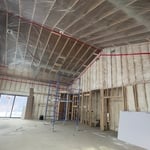
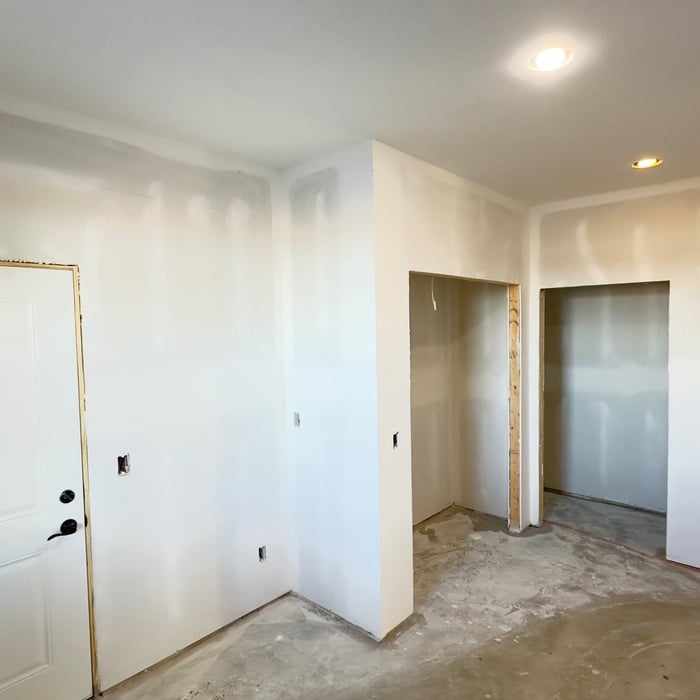
living room level 4 smooth finish
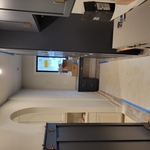
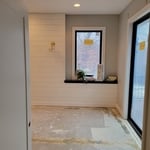
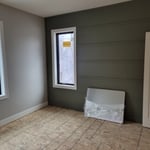
mud room level 4 smooth finish

+4

1 neighbors recently requested a quote
Recommended by100%of homeowners
Keith Chavie
4.8(
113
)
Drywall - RepairDrywall - Repair - For Business

Serving Apple Valley, MN and surrounding areas

Approved

Super Service Award Winner

In business since 1970

Free estimates

Warranties offered

"Keith is professional with his work and was on time! The walls turned out great and we had a great chat about lots of things. I will definitely hire him again if I need any more plaster work done. Thanks again Keith!"
14 neighbors recently requested a quote
Recommended by93%of homeowners

Avatar for Malkerson, Inc
Malkerson, Inc
5.0(
15
)
Drywall - RepairDrywall - InstallDrywall - Install - For Business+1 more

Serving Apple Valley, MN and surrounding areas

Approved

In business since 2007

Free estimates

Customers say: True professional

"I was a general contractor for 20 plus years locally. I have been out of it now for 21 years. Being my own home, and being known for a stickler for perfection, hiring a new drywall company was not easy. I had met Dave at the church we attend, and thought I would give him a try. I was totally amazed at the efficiency and quality of his work! I am not easily impressed when it comes to construction details, but he totally exceeded my expectations! I will certainly be using Malkerson Drywall on any future projects!"
1 neighbors recently requested a quote
Recommended by100%of homeowners
...
Showing 1-10 of 220
Drywall questions, answered by experts

To hide drywall edges, you need to properly apply drywall tape and multiple layers of joint compound. These materials hide the seams between drywall sheets and fill the holes from drywall screws, leaving behind a smooth, flat finish to paint over. Apply joint compound smoothly, and finish the job by sanding the walls to make sure you fully hide drywall edges and other imperfections.

Some painters will repair minor drywall damage. For repair work of any kind, it’s a good idea to hire the professional required for the job. Many painters will have the materials on hand and can add them to the total cost. While you may save some money, there is a chance the work will be subpar compared to a professional who specializes in drywall.
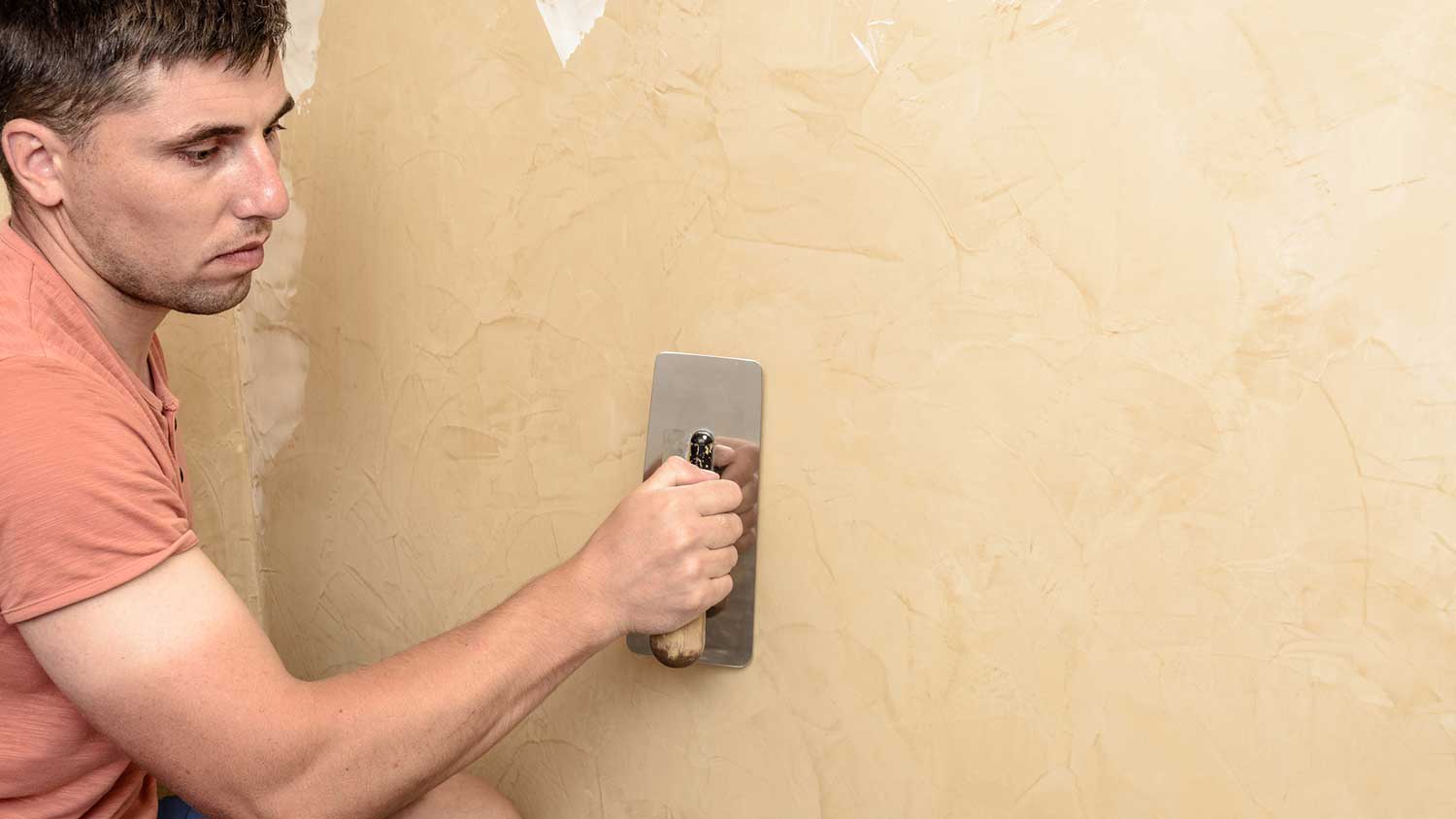
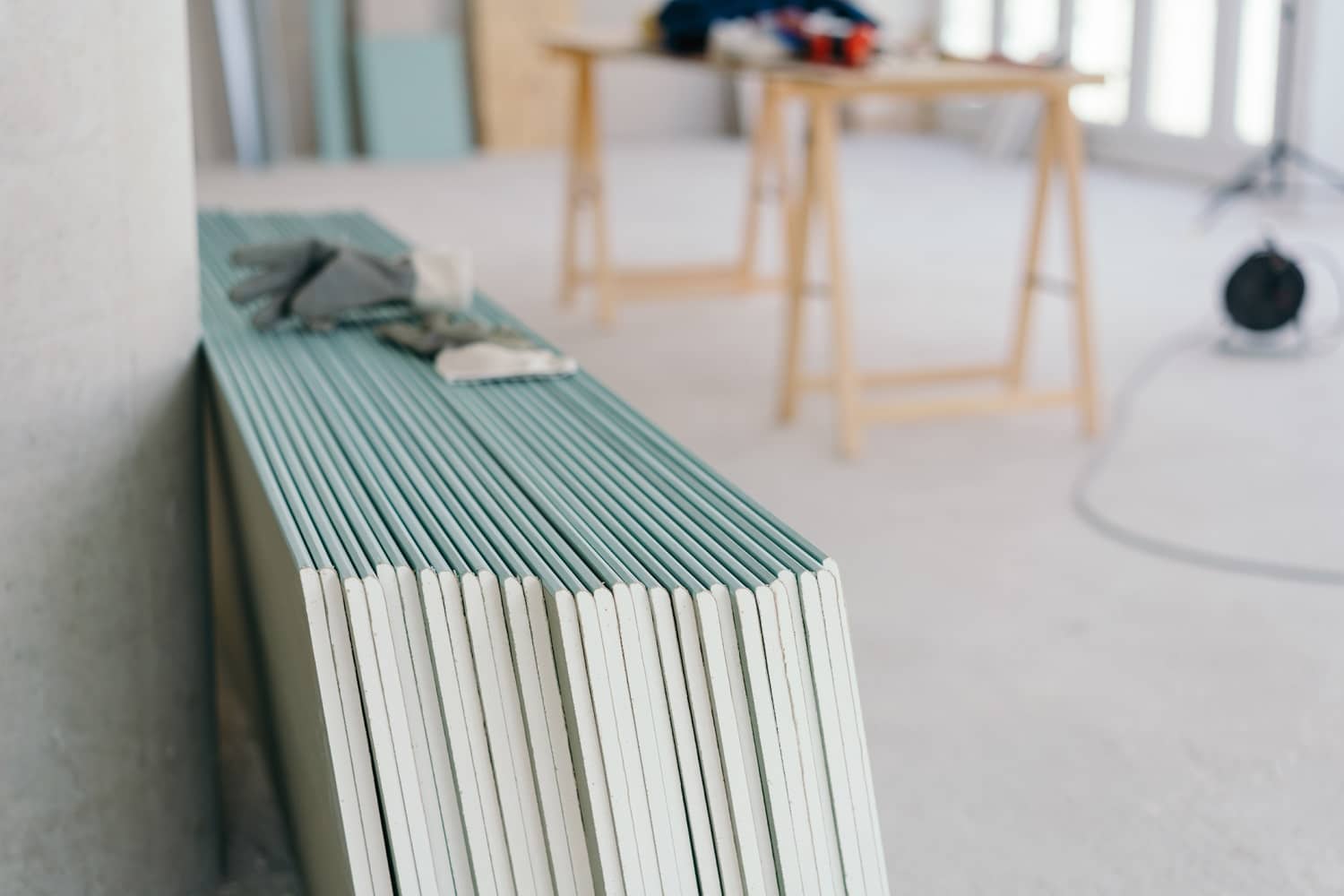
Although they are used for similar tasks, spackle and joint compound are not the same. Joint compound, also known as drywall mud, consists of limestone and gypsum and is primarily used for large-scale projects like taping and finishing seams on new drywall. Spackle is composed of gypsum and binding agents, making it a thicker compound best suited for small wall repairs like filling nail holes or cracks, as it dries quickly and is easy to sand. For small repairs, either product can be suitable. However, you can use joint compound for small jobs in place of spackle, but you cannot use spackle for large-scale taping and mudding projects.

While it’s most common to sand plaster dry, it is possible to wet-sand plaster, too. Doing so can reduce the amount of plaster dust released into the air and make it easier to work in smaller, more delicate areas (such as around wall trim). However, some people find that wet sanding leads to more imperfections, which is why larger walls are more often dry sanded to ensure an even finish.

Yes, walls on the top floor can be load-bearing if stacked on the floor’s foundation.

The Apple Valley, MN homeowners’ guide to drywall services

From average costs to expert advice, get all the answers you need to get your job done.