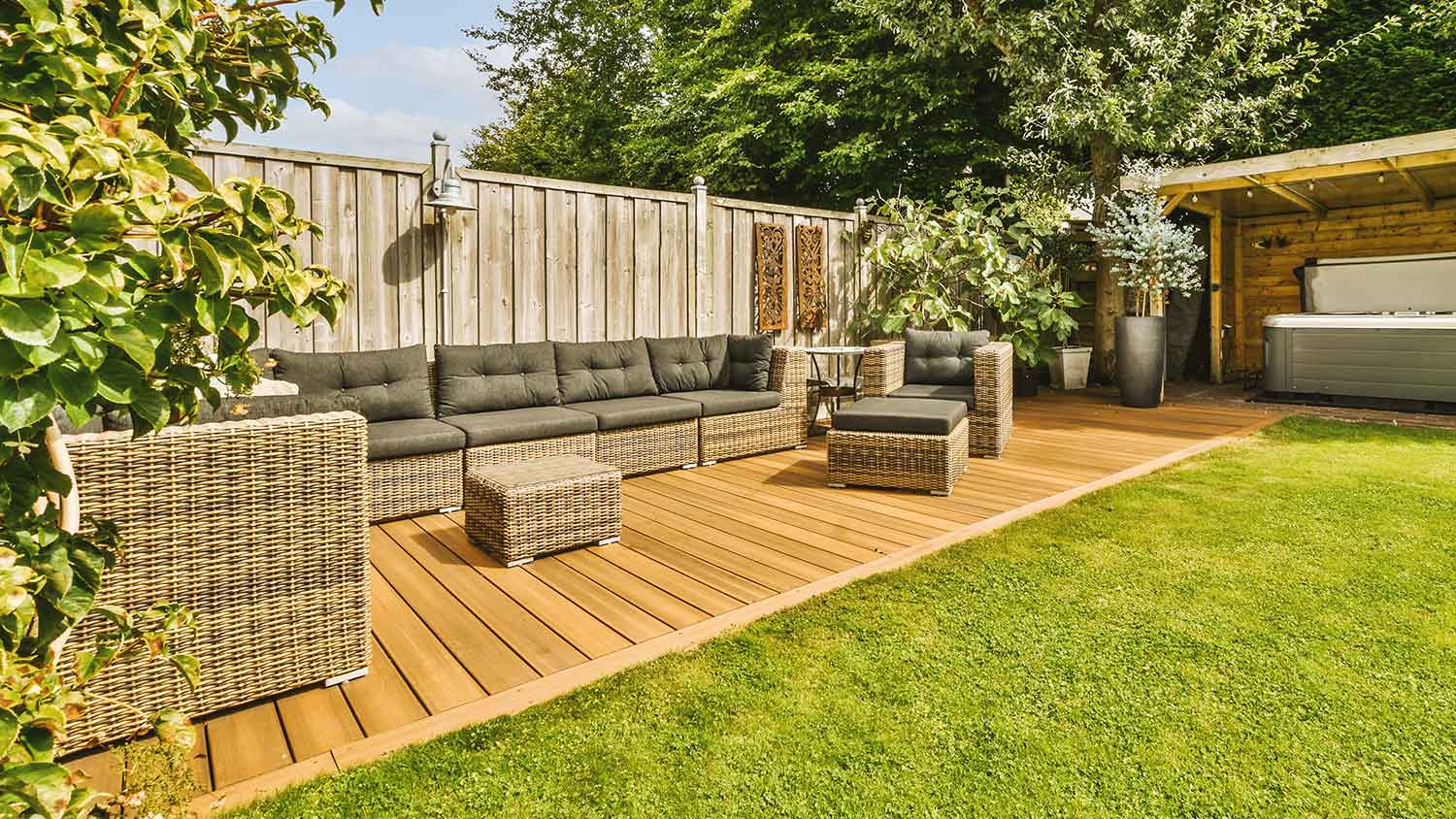









Top-rated deck staining pros.

Get matched with top deck staining pros in Whitmore Lake, MI

Enter your zip and get matched with up to 5 pros

Need a pro for your deck staining project in Whitmore Lake, MI?

Select your specific project to find the pro for you.

TRUSTED BY WHITMORE LAKE, MI HOMEOWNERS

  • Average homeowner rating star icon4.5
    Average homeowner rating
  • Verified reviews icon357
    Verified deck staining services reviews

Find Deck staining pros in Whitmore Lake

...
Showing 1-10 of 188
Deck Staining questions, answered by experts

Ideally, it's best to stain your dock once per year. Applying stain doesn't just keep it looking nice and new; it also helps extend the dock’s lifespan. Since you want to ensure water levels are at their lowest, it's best to have this project done by a professional dock repair service in the cooler autumn or early winter months. 

Staining a deck with a rag is typically a better option than using a brush, as it helps the stain penetrate deeper into the wood. However, both brushes and rags are best reserved for detailed work because using these tools on an entire deck can require tediously crawling around on your hands and knees. A pad applicator, sprayer, or roller are preferred alternatives to applying stain over the majority of a deck. Use a rag for railings and other detailed work, and let the wood soak up as much of the stain as possible before wiping away drips or pools.


Staining or sealing a cedar deck or fence is highly recommended to extend its lifespan and protect it from the elements. While cedar is naturally resistant to mold and mildew, it is not impervious to damage from moisture, sun exposure, splintering, fading, and rot over time. Applying a protective finish creates a shield that preserves the wood's strength and appearance, potentially extending its life by five to 10 years.

When choosing a finish, it's helpful to understand the difference between a sealer and a stain. A sealer sits on top of the wood, whereas a combination stain and sealer soaks into the top layer. Because it penetrates the wood, a stain generally offers better protection against UV damage and rot and lasts significantly longer. For the best results that also preserve the wood's natural color, consider using a near-translucent stain.

To maintain protection, plan on reapplying the stain or sealer every two to three years, either as a DIY project or by hiring a professional.

To make sure the paint won’t bubble as you apply it, make sure to paint on a day that’s cooler than 85 degrees Fahrenheit. When the temperature is too high, the paint won’t dry evenly, which can result in bubbles forming on the surface. Another way to prevent paint from bubbling is to clean the walls, apply primer, and let everything dry completely before you begin.

Whether to brush or roll stain on wood depends on the project and your preference. Brushing is ideal for smaller, intricate areas and offers more control over the application, ensuring thorough coverage and penetration into the wood's grain. 

Conversely, rolling is efficient for more extensive, flat surfaces and can save time. However, it is not always the best fit for textured or uneven wood. Some projects may benefit from combining both methods, using a brush for detail work and a roller for broader areas. Ultimately, the choice between brushing and rolling depends on the specific requirements of your staining project.

The Whitmore Lake, MI homeowners’ guide to deck staining services

From average costs to expert advice, get all the answers you need to get your job done.