



Top-rated mulch and topsoil pros.

Best mulch and topsoil pros near Summit, MI

Enter your zip and get matched with up to 5 pros

Need a pro for your mulch and topsoil service project in Summit, MI?

Select your specific project to find the pro for you.

Top-Rated Mulch and topsoil pros in Summit - Updated Nov 2026

Avatar for Murphy Landworks
Murphy Landworks
5.0(
4
)
Landscape - Soil, Sand, Mulch and Rock Delivery

Serving Summit, MI and surrounding areas

Approved

Free estimates

Small jobs welcome

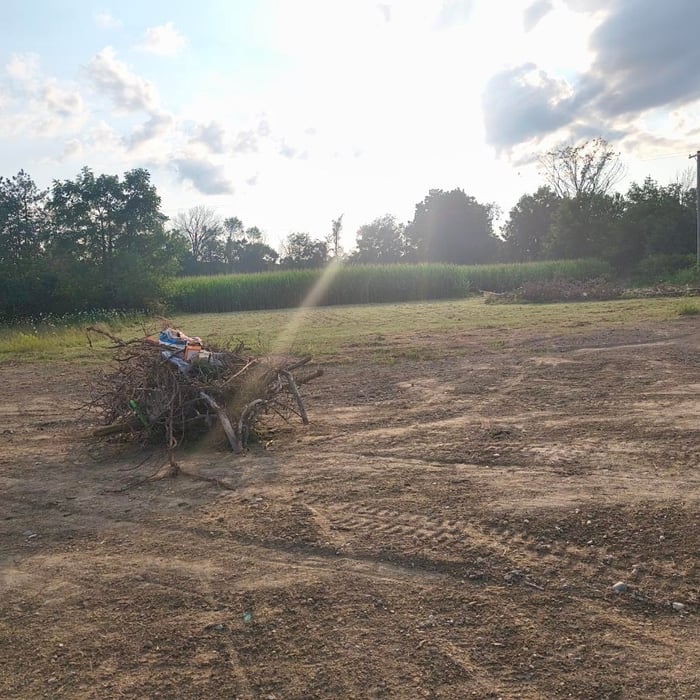
My name is Carter Murphy, and I am the proud owner and main operator of Murphy Landworks. At 17 years old, I started this business\nwith a strong work ethic, a passion for the outdoors, and a commitment to providing dependable, high-quality services to my community.\nFrom a young age, I have always had the drive to work hard and take pride in every job I complete, which is the foundation Murphy\nLandworks was built on.\n\nMurphy Landworks offers a wide variety of outdoor services designed to help keep your property looking its best year-round. Whether\nit’s property maintenance, land cleanup, or other outdoor projects, my goal is to deliver results that customers can truly be proud of. Every\nproject is completed with careful attention to detail, efficiency, and a focus on doing the job right the first time.\n\nAs a small and growing business, I believe that trust, reliability, and strong communication are just as important as the quality of the work\nitself. I take pride in building lasting rel

Landclearing
1 neighbors recently requested a quote
...
Showing 1-10 of 154
Mulch and Topsoil FAQs, answered by experts

A base layer is typically required when installing artificial grass, and the specific materials depend on the surface where the turf is being placed.

If you are installing artificial grass over soil, you should lay down a sub-base and a weed barrier.

  • Weed Barrier: A fabric weed barrier, weed membrane, or geo-textile paper is essential to prevent weeds from growing through and damaging the turf.

  • Sub-base: This layer provides drainage, support, and prevents the turf from sinking. Common materials include a mixture of gravel and sand, such as crushed miscellaneous base (CMB), decomposed granite, decomposed limestone, or a specifically mixed road base. Other options include silica sand and granite sand.
If you are placing turf over a hard surface like concrete, you can often skip the sub-base and use a padded underlayment or shock-absorbent material like astro-cushion for comfort and safety.

If you are unsure which materials are best for your specific project, it's a good idea to consult with an artificial turf installer.

Weeds can grow through rubber mulch, but it depends on if you removed all the weeds in your garden beforehand. Weeds already in the soil can grow even when using rubber mulch. However, that doesn’t mean that your garden will be littered with rubber and weeds, but it does mean that the occasional weed might still pop up. Another way you can increase your weed suppression is by using landscape fabric as a second layer. 

If you have a lot of trees around your home, mulching all those leaves can smother the lawn. Air and light won't reach the grass and soil if too many leaves have been mulched. Turf grass and other lawn problems can arise if the weather is too wet and excessive leaves have been mulched.

While they’re popular and have a lot of pros, the cons of river rocks include the following:

  • River rocks don’t break down or provide nutrients to plants. 

  • These stones can get hot and scorch nearby plants. 

  • River stones may heat the surrounding soil to inhospitable temperatures. 

  • Rocks can block rainwater from seeping into the ground if installations are too thick or tightly packed.

Most downsides occur when using river rock as mulch in gardens and flower beds. However, you can still incorporate river rocks into your landscape as long as you use them in the correct ways.

The ideal amount of mulch is the square footage of your desired depth in inches divided by 324. Aim to keep your old and/or new mulch at a depth of no more than three or four inches.

The Summit, MI homeowners’ guide to mulch and topsoil services

From average costs to expert advice, get all the answers you need to get your job done.