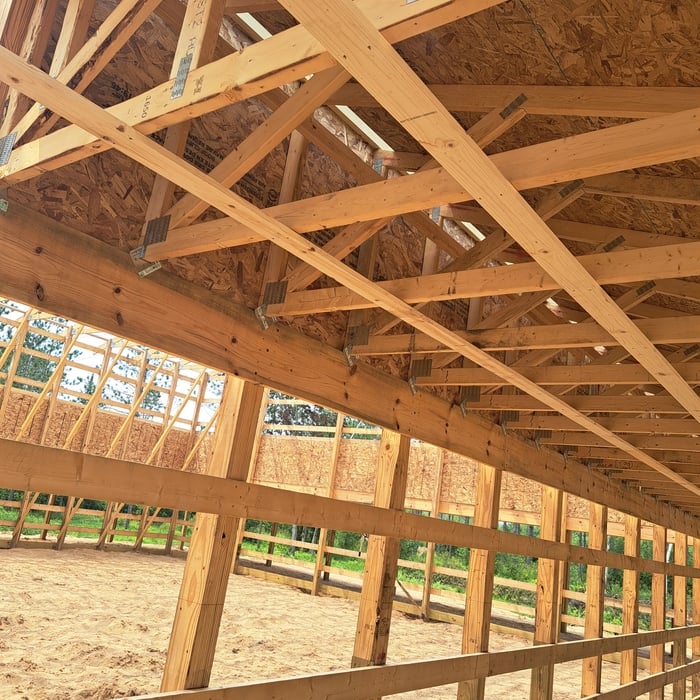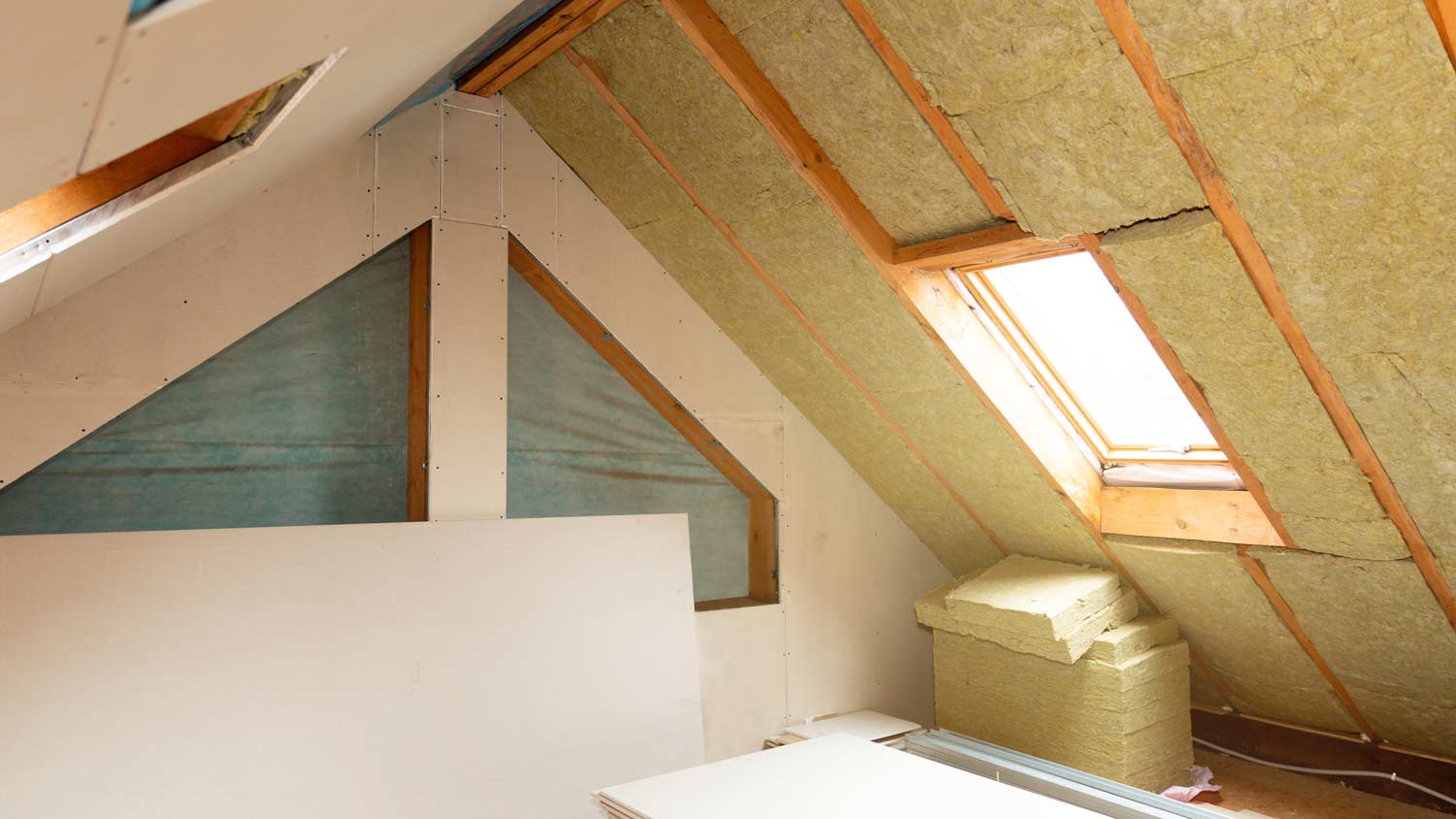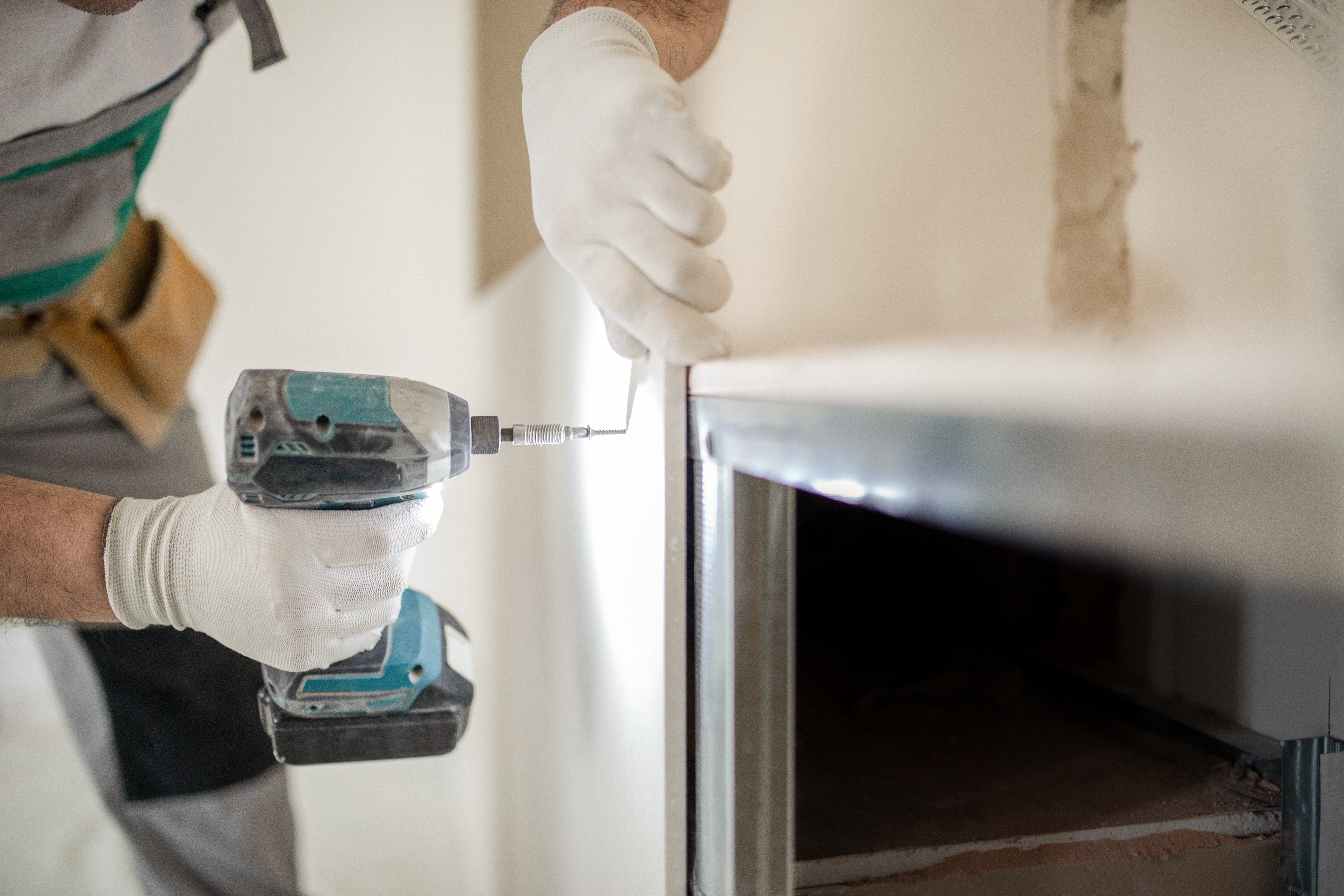




Drywall can be installed directly on ceiling joists. In fact, this method is common in many construction projects. Drywall sheets are attached to the joists using screws, ensuring a secure and stable installation. Before attaching the drywall, it's important to mark the joist locations on the ceiling, allowing for accurate screw placement. Proper spacing between screws and careful taping and mudding of joints are crucial to creating a smooth and flawless ceiling surface. If the joists are in good condition and level, installing drywall directly on them is a practical and efficient approach.
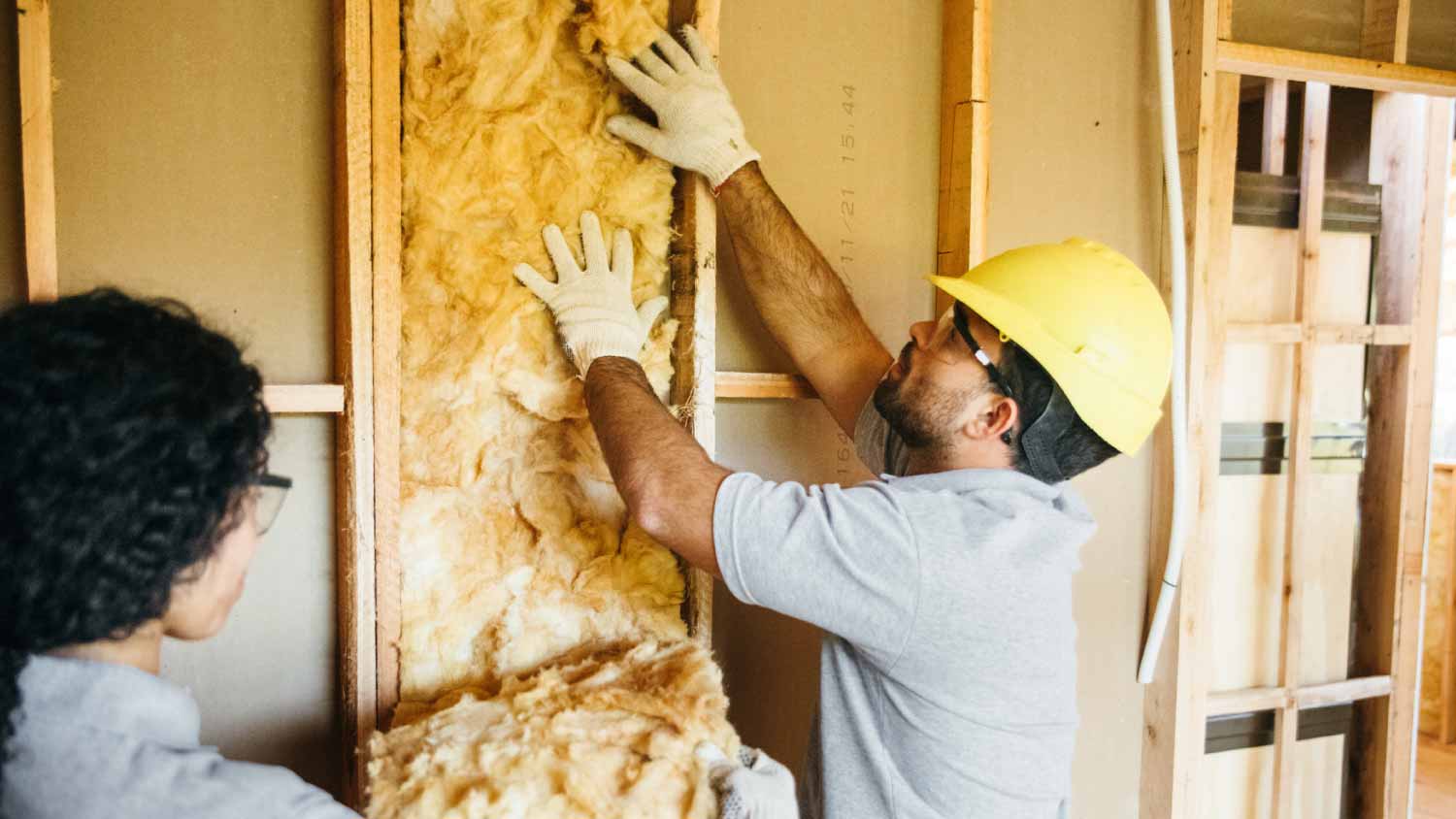
A post-drywall inspection could uncover many problems that weren’t present during the pre-drywall inspection, including insufficient insulation, missing weather stripping, improperly installed plumbing and lighting fixtures, flooring damage, drywall damage, plumbing leaks, aesthetic issues, and more. Structural problems, which are often expensive to fix and are common reasons to walk away after a home inspection, are easier to see before the drywall goes up, but a post-drywall inspection may highlight minor issues with house settling and foundation problems.
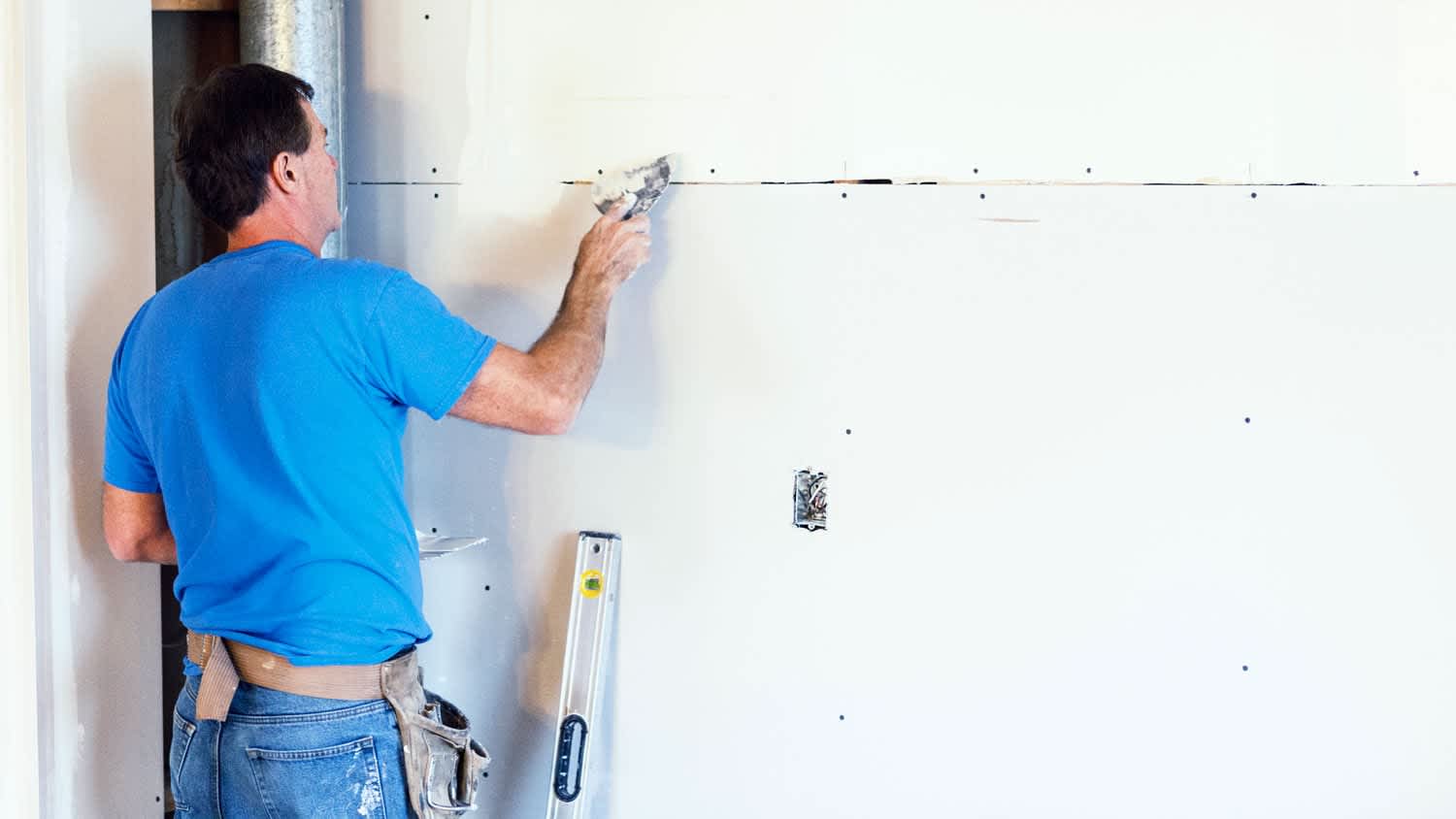
Cracks, holes, water damage, and dents from heavy equipment often require repair.
Furring strips, thin strips of wood or metal, are not always required for ceiling drywall installation. If the ceiling surface is even and in good condition, drywall can be directly attached to the ceiling joists using screws. However, furring strips become essential when dealing with irregular surfaces or when additional insulation or soundproofing is needed. They create a level substrate for attaching the drywall. Ultimately, the decision to use furring strips depends on the condition of the existing ceiling and the specific requirements of the project.
When choosing materials for finishing basement walls, consider factors such as moisture resistance, durability, and fire resistance. Opt for materials specifically designed for basement environments, like moisture-resistant drywall or cement board. Insulation with vapor barriers can help regulate temperature and prevent condensation. Consider using mold-resistant paints or coatings.
Research and consult with experts to select materials that are suitable for your specific basement conditions and intended use. Prioritize quality and compatibility to achieve long-lasting and aesthetically pleasing results.
The Spalding, MI homeowners’ guide to drywall insulation services
From average costs to expert advice, get all the answers you need to get your job done.
New insulation can make your home more comfortable and boost energy efficiency. Use this insulation cost guide to get an accurate estimate for the installation.
Whether you’re trying to keep noise in or out, soundproofing materials are the way to go. Use this guide to see how much it costs to soundproof a room.
Insulating your walls requires the right insulation and installation method. Keep reading to learn how to insulate a wall without removing the drywall.