






Top-rated septic tank pros.

Get matched with top septic tank pros in Sidney, MI

Enter your zip and get matched with up to 5 pros

Need a pro for your septic tank service project in Sidney, MI?

Select your specific project to find the pro for you.

Find Septic tank pros in Sidney

Avatar for North Land Excavating, LLC
North Land Excavating, LLC
4.5(
2
)
Septic System - Install or ReplaceSeptic System - Install or Replace - For BusinessSeptic System - Repair+1 more

Serving Sidney, MI and surrounding areas

Approved

In business since 2019

Free estimates

Emergency services offered

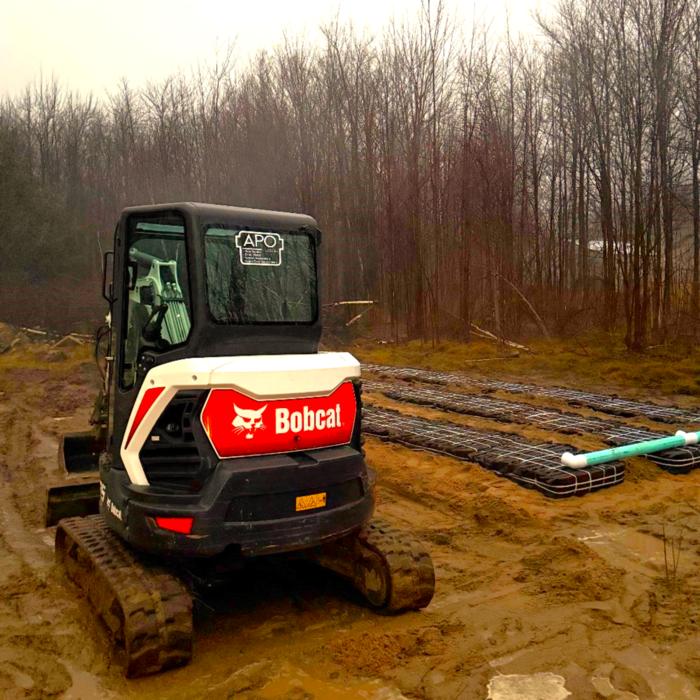
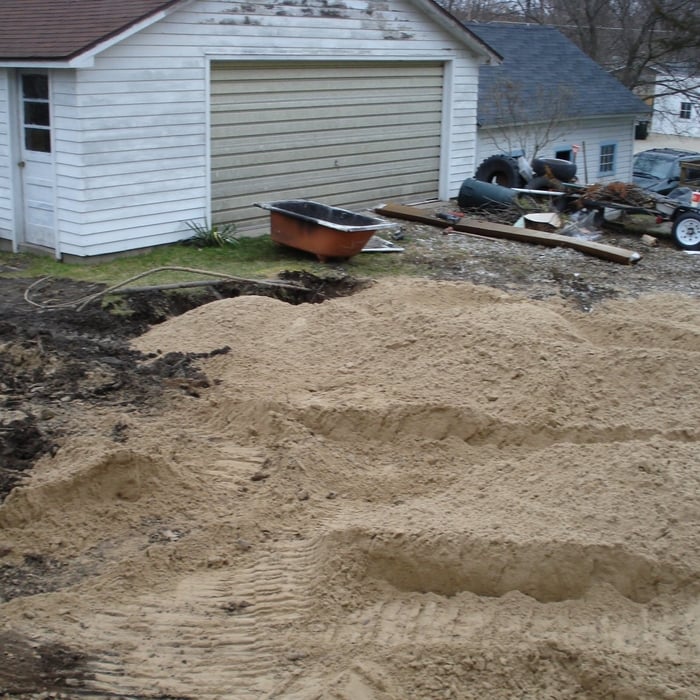
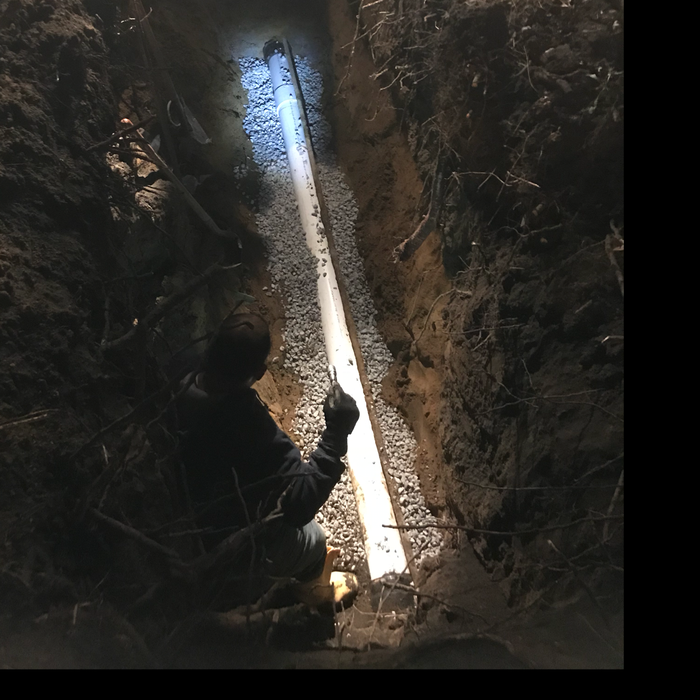
We Specialize in... - Septic Systems - Septic Pump Replacements - Septic Tank Replacements - Drain Field Installation - Road/Driveway Construction - Land Clearing - Demolitions - Retaining Walls - Residential & Commercial Projects - And Many More! Give us a call today at (616)-889-7943
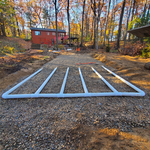
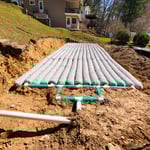
Stone Drain Field
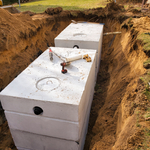
Concrete Septic Tanks
EZ Flow Drian Field
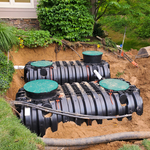
Infiltrator Plastic Septic Tanks
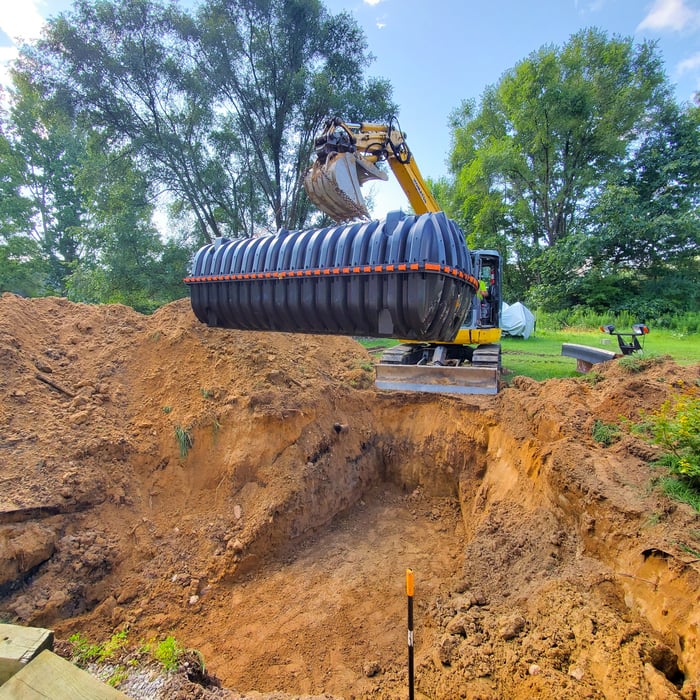
Setting A Tank

+3

Response time3 hrs
Recommended by100%of homeowners

Avatar for Reck'N Ralph Excavating - Home  Facebook
Reck'N Ralph Excavating - Home Facebook
5.0(
1
)
Septic System - Install or ReplaceSeptic System - Repair

Serving Sidney, MI and surrounding areas

In business since 2019

Free estimates

Reck'N Ralph Excavating, LLC, proudly serves customers with pride, integrity and attention to the details that matter most to you. This is one of the many things that sets us apart from the rest. We are locally owned and operated. Give us a call today!

Crushed concrete driveway
Calf barn

+11

Response time12 hrs
Recommended by100%of homeowners

Showing 1-10 of 19
Septic Tanks questions, answered by experts

Conventional anaerobic septic systems are the most cost-effective and least expensive type, with installation costs typically ranging from $3,000 to $8,000. For comparison, sand filter systems cost between $7,000 and $18,000, while mound systems are the most expensive at $10,000 to $20,000. Several factors influence the final price. The tank material is a key consideration; plastic tanks are the most budget-friendly option, starting around $2,900, but concrete and fiberglass tanks offer greater durability and longer life spans at a higher cost. The size of the tank also affects the price. For example, a 1,000-gallon tank costs between $900 and $1,500, whereas a larger 1,500-gallon tank costs $1,500 to $2,500.

Talking with a septic pro before planting trees near your tank is best to ensure the roots won’t interfere with your septic system. However, there is an easy way to figure out where to plant a tree—but you’ll need to know how tall it can get when it’s fully grown. For instance, if the tree can reach 50 feet, plant it at least 50 feet from your septic system.

Depending on the size and location of your septic tank repair job, you may want to let the septic pros finish before tackling other backyard work. However, in some cases, it’s not a bad idea to coordinate between your providers if the timing’s right and your septic repair pro says it’s safe to do so. For instance, if the septic repair work is happening in the fall, you might want to take advantage of the opportunity to prepare your backyard landscaping for winter , or in spring, start mulching the garden beds.

There are a couple of ways you can determine the depth of your well. One method is to use a device called a well sounder. This tool has a long measuring tape containing a sensor to alert you once the end reaches the water. 

Or you can DIY it by using a long tape measure with a half-filled bottle of water attached to it. Lower the tape measure into your well. Once you feel tension on the tape, you’ll know the bottle has reached your static water level. This will give you an approximate idea of your well’s depth.

Yes, shower water goes into the septic tank. Shower water is a type of greywater, and in fact, all water used in a home with a septic system—including water from sinks, toilets, the dishwasher, and the washing machine—drains into the tank. When shower water enters the tank, debris like soap and hair travels with it. The solid debris sinks to the bottom to become sludge, while soap residue joins the scum layer at the top. The remaining water is treated in the tank before moving to the drain field for further treatment and dispersal. It is important to avoid putting oil or harsh chemicals down any drain, as they can cause clogs or disrupt the beneficial bacteria required for proper wastewater management in the septic system.


The Sidney, MI homeowners’ guide to septic tank services

From average costs to expert advice, get all the answers you need to get your job done.