
Top-rated arborists.

Get matched with top arborists in Roosevelt Park, MI

Enter your zip and get matched with up to 5 pros

Need a pro for your arboricultural service project in Roosevelt Park, MI?

Select your specific project to find the pro for you.

TRUSTED BY ROOSEVELT PARK, MI HOMEOWNERS

  • Average homeowner rating star icon4.6
    Average homeowner rating
  • Verified reviews icon283
    Verified arboricultural services reviews

Find Arborists in Roosevelt Park

Avatar for Rough to Ready Grading
Rough to Ready Grading
4.9(
14
)
Tree Stump - RemoveTree Stump - Remove - For Business

Serving Roosevelt Park, MI and surrounding areas

Approved

In business since 2025

Free estimates

Small jobs welcome

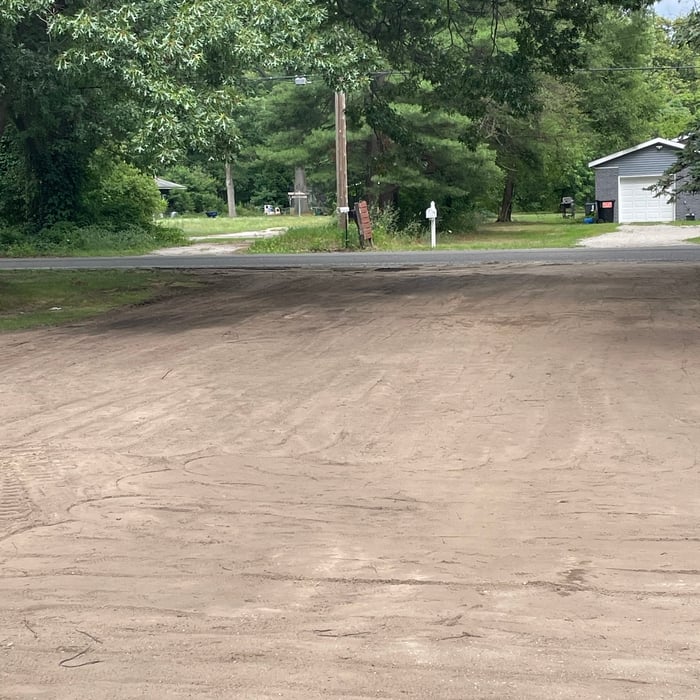
"They were great! Allen and Mike made my lawn and driveway look great. They communicated throughout the project, asking me questions to make sure everything turned out the way I wanted it. They are professional and I am very happy with the work they did."
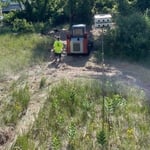
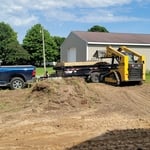
before pad install
before pad
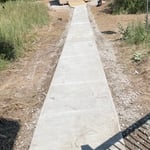
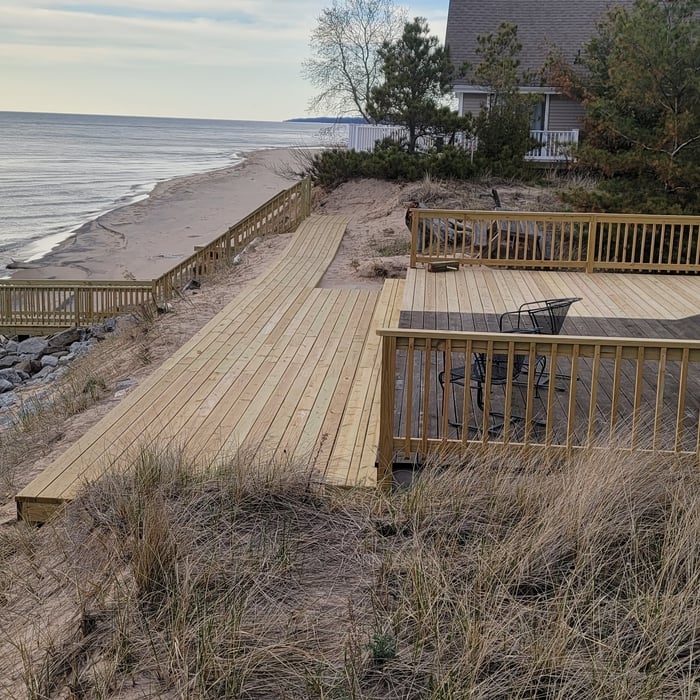
Finished Job
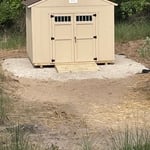
Finished pad w/ shed
finished driveway

+6

Response time2 hrs
Response rate92%
11 neighbors recently requested a quote
...
Showing 1-10 of 86
Arborists questions, answered by experts

Peach trees grow to be about 25 feet, so keep this in mind for pruning as well. If you plan to DIY, you’ll need to be comfortable working on a ladder. Without pruning, peach tree branches can sprawl nearly as wide as the tree grows tall, so make sure to plan pruning sessions at least once per year in the spring for controlled growth. And if you’re working on a ladder, be sure to follow all safety precautions, especially if you’ll be dealing with falling branches.

Generally, homeowners do not need permission to cut down a tree on their own private property, but there are several exceptions where a permit may be required. You might need a permit if the tree is particularly large, old, or a protected species, such as a heritage tree. Trees located near public property or power lines can also be subject to special rules. Additionally, many local governments and homeowners associations (HOAs) have regulations controlling which trees can be removed to manage an area's appearance or prevent the spread of invasive species. To avoid hefty fines, it is crucial to check with your local government and HOA to determine if a permit is needed before you begin.

Deciduous shade trees (the type of trees whose leaves fall off in autumn) need to be pruned in late winter—between February and March. That’s because it’s easier to find and remove sick or dead branches when no leaves are present. And wounds close and heal faster in colder temperatures so pruning them at this time also makes them less prone to infection.

Yes, it is highly recommended to remove tree stumps. Leaving them in the ground can lead to several problems, as they are not only unsightly but can also reduce your property's value. Stumps can obstruct landscaping plans, make mowing difficult, and hinder new growth. More importantly, they are prime breeding grounds for pests like termites, ants, and mice, which can spread to your home and cause costly damage to its wood and foundation. Stumps also attract fungi and diseases that can infect other healthy trees and plants in your yard. As a stump decays, it might sprout new, unwanted shoots. While removing a stump is an investment, it prevents these potential issues and enhances the safety, health, and appearance of your landscape.

If a disease has attacked and destroyed the roots, then the tree may fall over as soon as it has died or while part of it is still alive. Trees that die with their roots left in place tend to stay standing for much longer, but those roots will decay eventually, allowing gravity to do the rest.

The Roosevelt Park, MI homeowners’ guide to arboricultural services

From average costs to expert advice, get all the answers you need to get your job done.