Top-rated arborists.

Best arborists near Nunica, MI

Enter your zip and get matched with up to 5 pros

Need a pro for your arboricultural service project in Nunica, MI?

Select your specific project to find the pro for you.

TRUSTED BY NUNICA, MI HOMEOWNERS

  • Average homeowner rating star icon4.6
    Average homeowner rating
  • Verified reviews icon268
    Verified arboricultural services reviews

Top-Rated Arborists in Nunica - Updated Nov 2026

Avatar for Rough to Ready Grading
Rough to Ready Grading
4.9(
14
)
Tree Stump - RemoveTree Stump - Remove - For Business

Serving Nunica, MI and surrounding areas

Approved

In business since 2025

Free estimates

Small jobs welcome

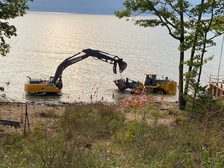
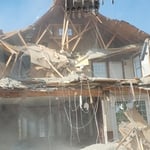
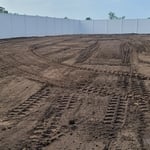
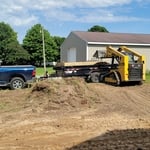
"They were great! Allen and Mike made my lawn and driveway look great. They communicated throughout the project, asking me questions to make sure everything turned out the way I wanted it. They are professional and I am very happy with the work they did."
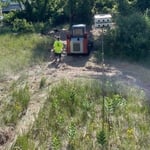
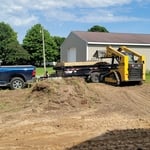
before pad install
before pad
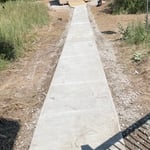
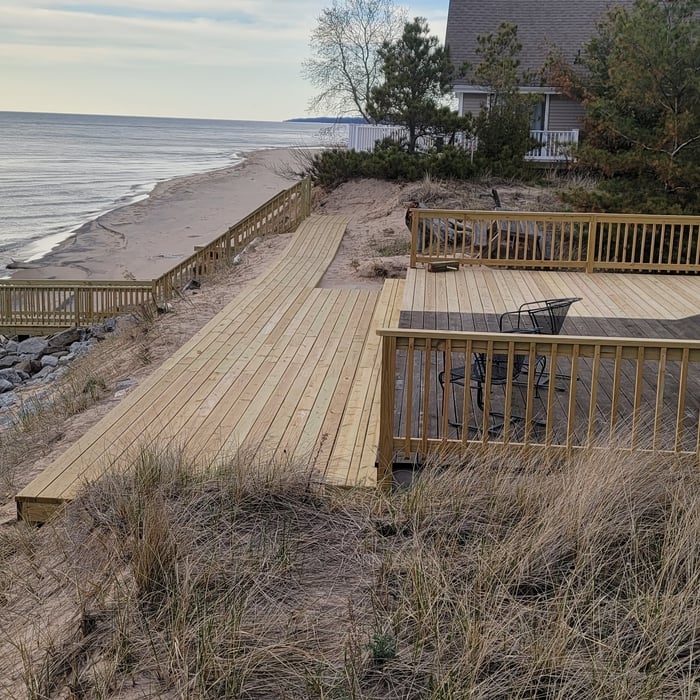
Finished Job
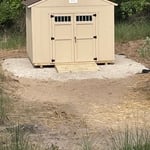
Finished pad w/ shed
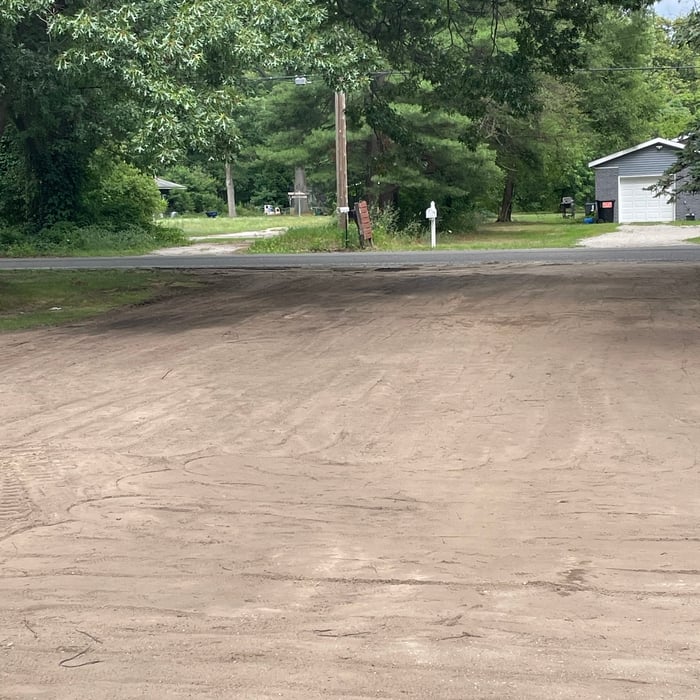
finished driveway

+6

Response time2 hrs
Response rate92%
9 neighbors recently requested a quote
Avatar for Austin Stone
Austin Stone
5.0(
3
)
Tree Stump - Remove

Serving Nunica, MI and surrounding areas

Approved

"He did a great job. I recommend him to anyone looking for a complete and thorough clean up. Left the yard in beautiful shape. Very friendly and efficient. Thanks Austin for a job well done"
17 neighbors recently requested a quote
...
Showing 1-10 of 92
Arborists FAQs, answered by experts

In the case that a tree is growing directly on your property line, the cost of maintaining the tree is shared and is the property of both owners in common. In this case, all decisions regarding the maintenance of the tree must be made jointly, and both parties must agree on a course of action. You will need to agree with your neighbor about the cutting of any roots before you carry it out, and your neighbor must also consult with you before doing any trimming. Coming to an agreement with your neighbor about any shared trees ahead of necessary trimming and maintenance will make this process much simpler.

In most cases, you should not use a pruning seal on trees after trimming. Applying a sealant can interfere with the tree's natural healing process, and it does not guarantee protection from pathogens. Instead of sealing the cut, the best practice is to support the tree's natural recovery by providing it with plenty of water and a dormant-style fertilizer. However, there are exceptions. Pruning seals may be recommended for very vulnerable species, like elm trees, in areas where dangerous diseases such as Dutch elm disease are prevalent. In these specific situations, the protection offered by a sealant can outweigh its downsides. For advice tailored to your situation, especially after cutting large branches, it is best to consult a local tree trimming professional.

You can shape a cherry tree by trimming vertical branches, dense branches, and intersecting branches. Your personal aesthetic comes into play, as well. If you want to simply thin and shape the tree, you can get away with trimming the aforementioned parts of your cherry tree. If you want to shorten branches, however, consider thinning cuts, which alter the length of the branches while encouraging light penetration, new buds and shoots, and a structurally-sound shape.

It is possible to cut down a tree on your property yourself, but it is generally not recommended unless specific conditions are met. You should only consider this project if the tree is small (e.g., under 4-5 inches in diameter and short enough that you don't need a ladder to reach the branches), and you are experienced in handling a chainsaw. The tree must also be located far from any power lines, fences, homes, or other structures. Even for small trees, the work can be dangerous, and it's always advisable to have a spotter to ensure the tree falls correctly and no branches fall on you.

For any tree that is large, requires a ladder to access, or is near electrical lines or structures, you should always hire a professional. Attempting to remove a large tree yourself is extremely dangerous, poses a risk of serious injury, and could result in significant damage to your property.

Before any tree removal, it's also important to check your local and state regulations to ensure the tree is not historic or otherwise protected by your city.

Yes, cutting a tree's roots can cause it to fall, particularly if major support roots are severed. In extreme cases, trimming roots can affect the tree's structure and stability. Many crucial roots are located just below the soil's surface. If you make severe cuts to roots more than 2 inches in diameter, you risk impacting the tree's water flow and its ability to withstand severe winds or storms. Even cutting roots less than half an inch in diameter under or outside the tree's canopy can cut off its water supply, causing it to decline, die, and eventually topple.

The Nunica, MI homeowners’ guide to arboricultural services

From average costs to expert advice, get all the answers you need to get your job done.