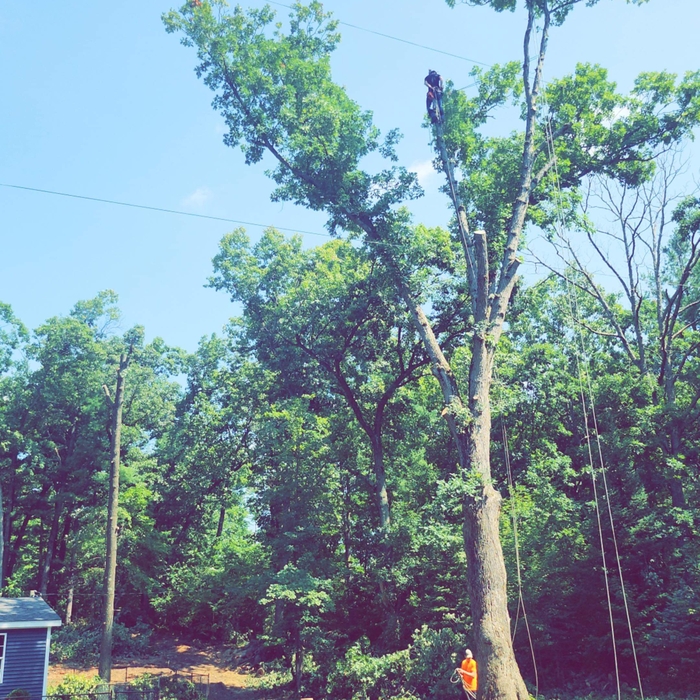




Top-rated arborists.

Get matched with top arborists in Fruitport, MI

Enter your zip and get matched with up to 5 pros

Need a pro for your arboricultural service project in Fruitport, MI?

Select your specific project to find the pro for you.

TRUSTED BY FRUITPORT, MI HOMEOWNERS

  • Average homeowner rating star icon4.6
    Average homeowner rating
  • Verified reviews icon245
    Verified arboricultural services reviews

Find Arborists in Fruitport

Avatar for Rough to Ready Grading
Rough to Ready Grading
4.9(
14
)
Tree Stump - RemoveTree Stump - Remove - For Business

Serving Fruitport, MI and surrounding areas

Approved

In business since 2025

Free estimates

Small jobs welcome

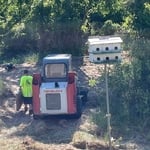
"They were great! Allen and Mike made my lawn and driveway look great. They communicated throughout the project, asking me questions to make sure everything turned out the way I wanted it. They are professional and I am very happy with the work they did."
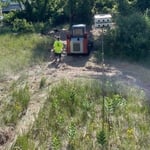
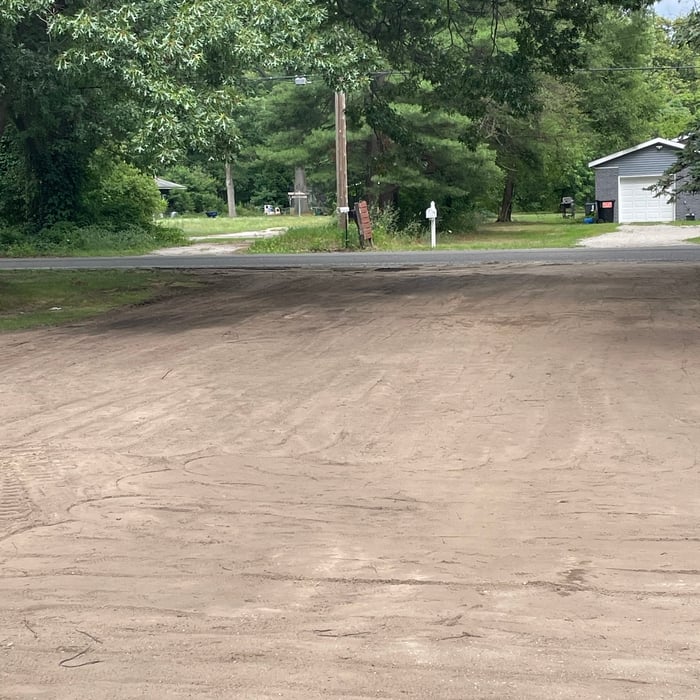
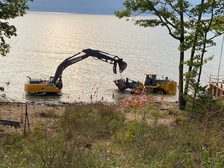
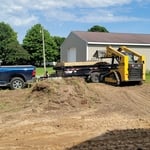
before pad install
before pad
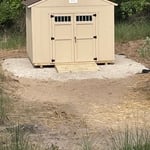
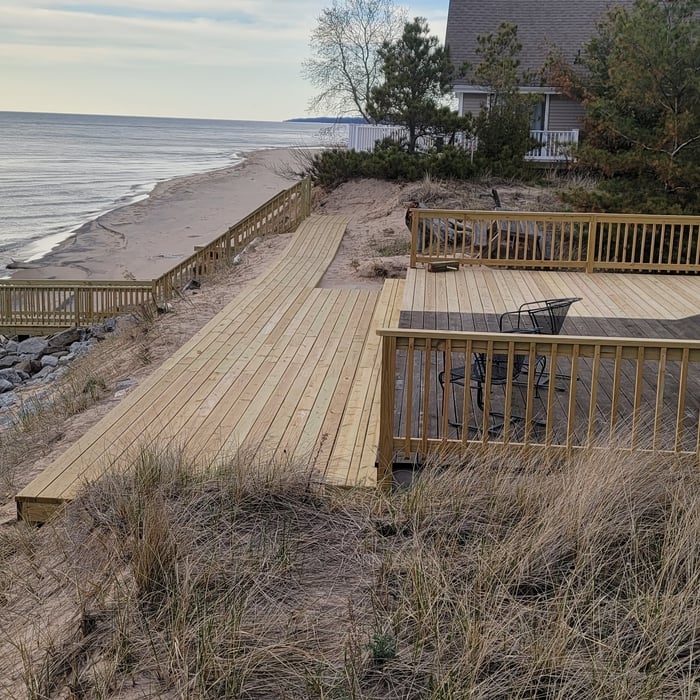
Finished Job
Finished pad w/ shed
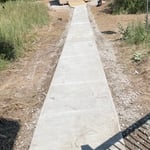
finished driveway

+6

Response time2 hrs
Response rate92%
10 neighbors recently requested a quote
Avatar for Austin Stone
Austin Stone
5.0(
3
)
Tree Stump - Remove

Serving Fruitport, MI and surrounding areas

Approved

"He did a great job. I recommend him to anyone looking for a complete and thorough clean up. Left the yard in beautiful shape. Very friendly and efficient. Thanks Austin for a job well done"
20 neighbors recently requested a quote
...
Showing 1-10 of 90
Arborists questions, answered by experts

You should not trim an oak tree in the summer. Oak trees are especially susceptible to disease, and open tree wounds are an invitation for beetles that carry tree-killing fungus. If there’s no risk that the oak tree will do damage to your property or hurt someone, it’s best to save the trimming for fall or winter. If you can, seal the wound with latex to prevent fungus from getting inside.

A chainsaw is the best tool to cut down a tree, but you may also use a handsaw or ax. You may also want to use a lopper or pole saw to remove limbs before cutting down the tree. Wear chainsaw chaps and protective gear, including eyewear and earplugs if you use a chainsaw. Again, if you’re unsure about how to use this tool, this project may be one to skip.

In most ways, palm trees are incredibly low-maintenance. They don’t need a ton of water—which is why they’re so beloved in desert regions—and they basically prune themselves. But they do need an ample supply of sunlight and to be in soil that will allow for proper drainage so that their roots don’t become waterlogged and at risk of developing illnesses.

If the plant begins to wilt, develop spots, or change color, these could all be signs that your palm tree has a disease. But a few basic treatments, like pruning and applying fungicide, will usually be more than enough to return it to perfect health.

It may be possible, but transplanting a large, mature tree can be a tricky project, and some trees handle it better than others. If you have a tree you need to save and are considering transplanting it elsewhere, we highly suggest calling a tree removal service and arranging a consultation to see what they say (and how much a full transplant would cost).

Yes, cutting a tree's roots can cause it to fall, particularly if major support roots are severed. In extreme cases, trimming roots can affect the tree's structure and stability. Many crucial roots are located just below the soil's surface. If you make severe cuts to roots more than 2 inches in diameter, you risk impacting the tree's water flow and its ability to withstand severe winds or storms. Even cutting roots less than half an inch in diameter under or outside the tree's canopy can cut off its water supply, causing it to decline, die, and eventually topple.

The Fruitport, MI homeowners’ guide to arboricultural services

From average costs to expert advice, get all the answers you need to get your job done.