Top-rated landscapers.

Get matched with top landscapers in Paris, MI

Enter your zip and get matched with up to 5 pros

Need a pro for your landscaping project in Paris, MI?

Select your specific project to find the pro for you.

TRUSTED BY PARIS, MI HOMEOWNERS

  • Average homeowner rating star icon4.2
    Average homeowner rating
  • Verified reviews icon15
    Verified landscaping services reviews

Find Landscapers in Paris

Avatar for Northview Landscapes
Northview Landscapes
4.3(
17
)
Landscape - Install Landscaping for Yard or GardenOutdoor Lighting - Plan and Install

Serving Paris, MI and surrounding areas

Approved

In business since 2019

Free estimates

Customers say: Quick response

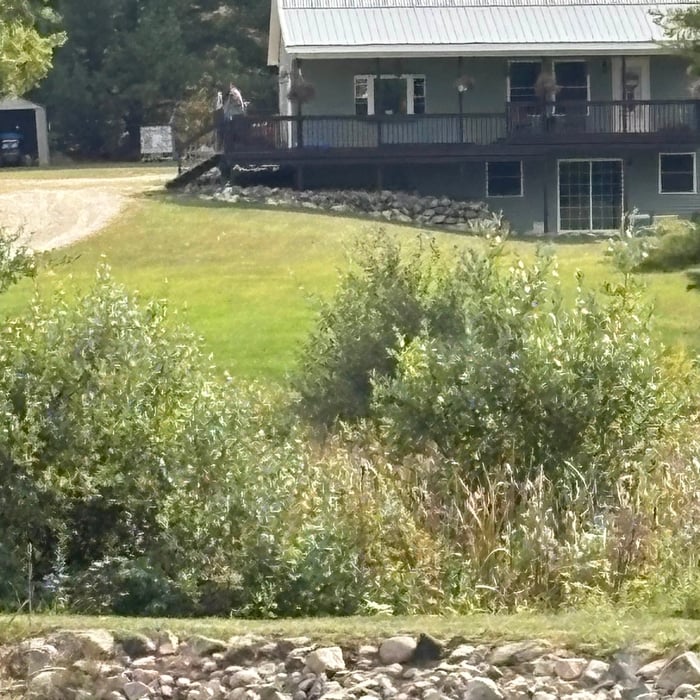
"They did mulching, repairing retaining walls, installing drain, planting plants, and so on for our house. Pretty satisfied with their work and their extensive skills. The prices are also pretty reasonable and affordable."
Response time2 days
34 neighbors recently requested a quote
Recommended by90%of homeowners
...
Showing 1-10 of 126
Landscaping questions, answered by experts

There are two main times of year to apply mulch: mid to late spring and late fall. Spreading mulch in mid to late spring helps protect new seedlings as the soil warms up. It's best to wait until temperatures are steady, as mulching too early in the spring can slow down the soil's warming process and hinder plant growth. Fall mulching is also beneficial, as it insulates the soil and helps regulate its temperature when the first frosts arrive.

A half inch above ground level is ideal for metal edging. This provides enough depth for the edging to hold in place and enough height to keep in most landscaping materials (like mulch or gravel). If you install edging too high off the ground, it will stand out from your landscaping and pose a tripping risk. If you install it too low, your ground cover won’t stay in place.

Yes, you can absolutely transplant bushes instead of removing them completely. The success depends on the size of the bushes, their age, and the transplanting season. Ideally, transplant during the dormant season (late fall or winter). Dig out the entire root system in one piece, fill the new hole with fresh soil and mulch, and water thoroughly after planting.

It is for the purpose of protecting them from hail because you’ll be removing it soon after the threat is over. However, plastic or vinyl tarps aren’t recommended as a long-term way of protecting your plants from frost because they’ll trap too much moisture inside, which is actually not a good thing for your plants. But in the short term, it’s fine to use even an overturned garbage can to protect a plant from hail.

The best type of rock for landscaping depends on your specific project and needs, as different rocks are suited for different applications. For covering large areas or creating an affordable driveway, consider gravel, but note that it can wash away in flowing water. For water features, river rocks are a good option. Flagstone and cobblestone are ideal for aesthetically pleasing patios and walkways. If you are building a stone wall, fieldstone or small boulders are up to the task. Large boulders and landscape rocks work well as statement pieces, to fill empty space, or to indicate boundaries, but be mindful that they can overwhelm smaller gardens. The best approach is to first define your landscaping project and then select the rock type that best fits that purpose.

The Paris, MI homeowners’ guide to landscaping services

From average costs to expert advice, get all the answers you need to get your job done.